Buy any 1 product and get 1 absolutely free — this offer applies to all Website Templates, UI Kits, and Complete Scripts.
Buy Now! Article Information Table Of Contents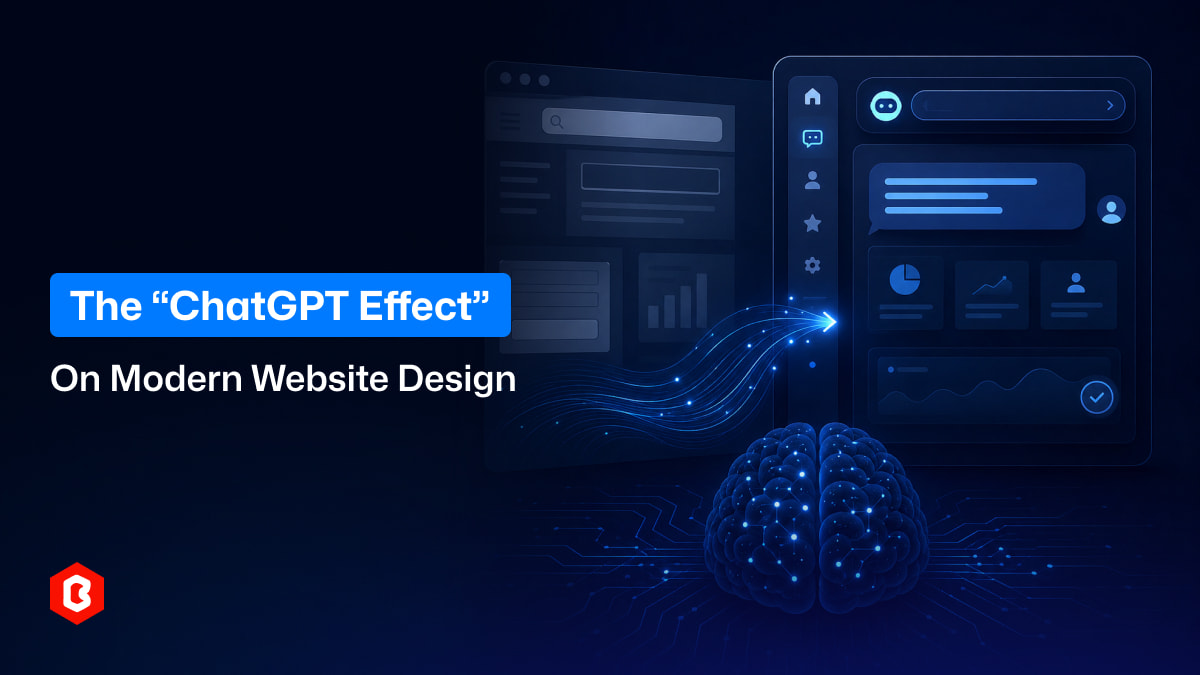
AI tools changed user expectations very quickly.
A few years ago, most websites followed predictable patterns. Search bars, menus, forms, dashboards, and static content sections were enough for many platforms.
Now people expect websites to feel more interactive.
They want faster answers, conversational experiences, personalized suggestions, and cleaner interfaces that reduce effort instead of adding more complexity.
That shift is what many designers now call the “ChatGPT Effect.”
And honestly, it’s influencing modern website experiences much more than people realize.
Before AI assistants became popular, users were used to searching manually through websites.
Now, many people expect websites to respond conversationally.
Instead of browsing five pages, users want to ask direct questions and get immediate answers.
That change is affecting modern website UI design heavily.
Businesses are starting to prioritize:
AI-powered search
Smart assistants
Interactive onboarding
Conversational navigation
Instant recommendations
The experience feels more dynamic instead of static.
One interesting effect of AI-driven platforms is the move toward cleaner layouts.
People are spending more time inside focused interfaces with minimal distractions.
That design style is influencing websites, too.
Modern web UI design increasingly focuses on:
Clean typography
Spacious layouts
Reduced clutter
Simple navigation
Focused interactions
The goal is to help users reach information faster.
And honestly, many websites are becoming visually quieter because users now value clarity more than overloaded layouts.
Traditional website navigation depended heavily on menus and categories.
AI changed how people think about finding information.
Users now expect smarter search experiences.
For example:
Natural language search
Predictive suggestions
Context-aware results
AI-generated summaries
Real-life situation:
A user visits a SaaS platform and types a complete question instead of using filters manually. The website responds conversationally with relevant resources immediately.
That interaction now feels normal to many users.
AI platforms made users more familiar with personalized experiences.
People now expect websites to adapt to their behavior.
This affects modern website UI design through features like:
Personalized dashboards
Suggested content
Smart recommendations
Dynamic homepage sections
Adaptive onboarding flows
Websites that feel relevant usually keep users engaged longer.
AI tools respond almost instantly.
That changes expectations across the internet.
Slow-loading pages, confusing workflows, or delayed interactions now feel even more frustrating.
Modern web UI design increasingly focuses on:
Faster navigation
Quick-loading interfaces
Minimal friction
Simplified user journeys
People want efficiency.
And honestly, websites that feel slow or complicated now lose attention much faster than before.
One major design shift is the rise of conversational interfaces.
Websites increasingly include:
AI chat support
Guided assistants
Interactive prompts
Smart onboarding flows
Instead of forcing users to figure everything out manually, websites now guide users through experiences more naturally.
That creates smoother interaction.
AI-generated summaries and conversational tools changed how people consume information.
Long walls of text feel harder to process now.
Modern websites often break information into:
Shorter sections
Interactive blocks
Expandable content
Quick summaries
Guided flows
This improves readability.
Users want faster understanding with less effort.
SaaS companies adopted many AI-inspired design patterns quickly.
You now see:
Floating assistants
Smart search bars
Personalized workflows
AI-powered onboarding
Interactive dashboards
These features make products feel more intelligent and responsive.
And honestly, users increasingly associate smoother interaction with higher product quality.
Earlier, websites mainly acted as information pages.
Now, many platforms behave more like assistants.
Instead of simply displaying content, websites increasingly help users complete tasks through:
Smart suggestions
Guided workflows
AI-generated recommendations
Dynamic help systems
This changes how users interact with digital products completely.
People expect support during the experience, not only after getting stuck.
Older websites often expected users to explore manually.
Modern interfaces increasingly guide users step by step.
This includes:
Recommended actions
Smart onboarding sequences
Interactive walkthroughs
Personalized shortcuts
The experience feels more directed and less overwhelming.
And honestly, users often prefer platforms that reduce decision fatigue.
AI tools changed how people think about effort online.
Users now expect to achieve more with fewer clicks.
That’s why modern website UI design increasingly focuses on reducing friction through:
Autofill systems
Smart defaults
Predictive search
One-click actions
Conversational input methods
People want outcomes faster.
The less work required, the smoother the experience feels.
AI experiences also changed how people judge digital products.
Users now value:
Clear communication
Helpful guidance
Fast interaction
Simplified workflows
Complex interfaces often feel outdated.
That’s why many businesses are redesigning products to feel more approachable and intuitive.
Some companies misunderstand the trend and remove too much structure.
A clean interface still needs usability.
Navigation, hierarchy, and clarity still matter deeply.
Good website UI design balances simplicity with functionality.
Otherwise, the experience may look modern but feel confusing.
AI tools influence workflows and interaction patterns, but human-centered design remains essential.
People still care about:
Emotion
Branding
Trust
Accessibility
User psychology
AI-inspired experiences work best when they support real user needs instead of simply following trends.
The “ChatGPT Effect” is changing how modern websites are designed by increasing expectations around speed, personalization, simplicity, and interaction.
Modern website UI design now focuses more heavily on conversational experiences, smarter navigation, and cleaner interfaces that reduce friction for users.
At the same time, strong web UI design helps businesses create platforms that feel faster, more intuitive, and easier to use in a world where users increasingly expect instant digital experiences.
And honestly, this shift is probably only getting started.
 Similar Blogs
In web development, choosing the right CSS framework can make a significant difference in the succes...
Having a responsive web template can help you succeed and keep your business ahead of the competitio...
Today everything seems to be online whether it's an eCommerce store or a stock broker mobile app. Bu...
In 2023, the worldwide online betting and lottery market size reached $242.04 Billion. To capture a...
Nowadays, every business is operating from an online website which is called a virtual shop. From eC...

In today's digital age, having a strong online presence is no longer a luxury for local businesses -...

Not sure which template or UI kit fits your project? Reach out for expert advice.
 100% Satisfaction Guaranteed
  Shop with Confidence!
 Tags
Tags