Buy any 1 product and get 1 absolutely free — this offer applies to all Website Templates, UI Kits, and Complete Scripts.
Buy Now! Article Information
Nowadays, mobile apps are a big part of regular life. People use them for shopping, chatting, learning, banking, and entertainment. Because users install many apps on their phones, they also remove them quickly if the experience does not feel right.
Many app owners assume users leave mainly because of technical issues. However, psychology often plays a much bigger role. People make emotional decisions while using an app, and even small frustrations can slowly push them to stop using it.
Understanding this behavior is very important in mobile app development. When developers understand how users think and react, they can design apps that people enjoy and continue using.
Let’s take a closer look at some of the psychological reasons why users decide to abandon apps.
Think about the first time someone opens a new app.
They are curious but also impatient. They want to understand the app quickly.
Now imagine this situation:
The app asks for a long registration form
Several permission requests appear immediately
The interface looks confusing
Most users will close the app within seconds.
People naturally prefer experiences that begin in a simple and smooth way. When the first interaction feels easy, the brain quickly interprets the experience as something positive. This feeling often encourages the user to continue exploring the app.
Good mobile app development usually focuses on reducing friction during those first few minutes. Fast sign-ups, clear onboarding steps, and simple navigation help users feel comfortable and confident right from the start.
Speed strongly affects how users judge digital products.
A delay of even a few seconds can feel much longer to someone waiting for a screen to load.
Here is what typically happens in a user’s mind:
The app takes time to respond.
The user becomes slightly annoyed.
They assume the app is poorly built.
They start thinking about alternatives.
This reaction usually happens very quickly.
In many situations, performance issues are caused by large images, unnecessary animations, or poorly optimized code. These problems often appear when speed is not given enough attention during mobile app development.
Apps that load quickly feel dependable and smooth to use. Apps that load slowly tend to feel frustrating.
And once users feel frustrated, they usually do not stay for very long.
More features do not always make an app better. Sometimes the opposite happens.
When an interface presents too many options at once, the brain has to work harder to process everything. This mental pressure is known as cognitive fatigue.
Instead of feeling curious and exploring the app, users may start to feel confused or overwhelmed.
For example, a finance app might display:
spending charts
investment options
budgeting tools
payment buttons
promotional banners
All on the same screen.
Even if every feature is helpful on its own, showing all of them at the same time can create confusion.
Thoughtful mobile app development usually organizes features step by step. The most important actions appear first, while advanced options are placed inside secondary menus or settings.
When the interface looks clean and well-structured, users feel more comfortable and relaxed while moving through the app.
When someone downloads an app, they silently ask themselves a question:
“What benefit do I get from this?”
If the answer is not obvious within the first few minutes, interest fades quickly.
Consider a few examples:
A fitness app that shows workout plans instantly feels helpful.
A budgeting app that displays spending insights immediately feels useful.
A learning app that starts a lesson right away feels engaging.
On the other hand, if users have to go through several menus before they can understand the main benefit, their motivation quickly starts to drop.
Effective mobile app development focuses on showing the core value early in the user journey. When people quickly see how the app helps them, they are much more likely to continue using it.
Notifications can bring users back to an app. But too many notifications can have the opposite effect.
Imagine receiving messages like these throughout the day:
“Check out today’s offer!”
“You haven’t opened the app today.”
“New feature available!”
“Limited time deal!”
At first, users may ignore them. Eventually, irritation builds.
From a psychological point of view, constant interruptions feel stressful. People prefer control over their attention.
This is why balanced notification strategies are important in mobile app development.
Helpful notifications might include:
reminders related to user activity
progress updates
useful alerts
Random promotional messages, however, often lead to uninstall decisions.
Users should never feel lost inside an app.
Unfortunately, many apps unintentionally create this situation.
Picture this:
A user wants to change a simple setting.
They open the menu.
Then another submenu appears.
Then another.
After several taps, the user still cannot find the option.
Frustration grows quickly.
Clear navigation is a major factor in successful mobile app development. Users should always know:
where they are
where to go next
how to return
Simple menus, recognizable icons, and logical page structures make the experience smooth and predictable.
When navigation feels natural, users interact with the app confidently.
Apps are not just tools people use to complete tasks. They are also experiences that users interact with every day.
Because of this, people often remember how an app made them feel while using it.
Sometimes, even a few small app UI design touches can strengthen that emotional connection:
friendly micro-interactions
encouraging messages
progress tracking
personalized suggestions
These small touches create brief moments of satisfaction for users.
When these details are missing, an app can start to feel mechanical and easy to forget.
Modern mobile app development often tries to build emotional engagement along with strong functionality.
When users genuinely enjoy the experience, they are much more likely to come back and use the app again.
Users stop using apps for many different reasons, but many of those reasons are closely connected to human psychology. Slow performance, confusing interfaces, too many notifications, and unclear value can all create negative feelings while someone is using an app.
On the other hand, apps that feel simple, fast, and genuinely helpful tend to create a more positive experience. Businesses involved in mobile app development should always try to see things from the user’s point of view. When teams understand how people think, react, and feel while using an app, they can greatly improve user retention.
In a crowded app marketplace, the apps that truly respect user psychology are usually the ones that continue to survive and grow.
 Similar Blogs
AI (Artificial Intelligence) is shaking things up in the education industry as well! According to a...
In today's world, web applications are controlling the business arena. Whether it's an eCommerce web...
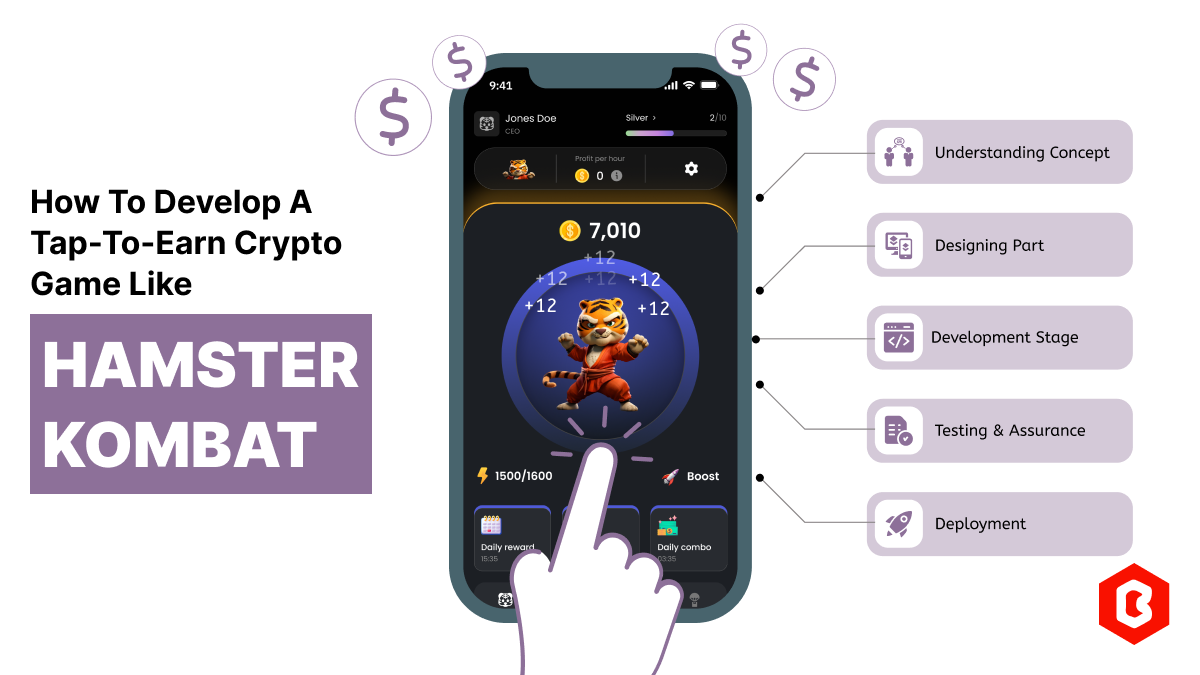
Hamster Kombat is a tap-to-earn crypto game where players are designated as virtual CEO. In developi...

Online Sports betting apps are considered as the source of earning passive income but with that, the...

Every business needs better marketing to promote their products and services. Nowadays, they prefer...
The cryptocurrency world is transforming at every moment. That world is not just limited to only exc...

Not sure which template or UI kit fits your project? Reach out for expert advice.
 100% Satisfaction Guaranteed
  Shop with Confidence!
 Tags
Tags