Buy any 1 product and get 1 absolutely free — this offer applies to all Website Templates, UI Kits, and Complete Scripts.
Buy Now! Article Information Table Of Contents
Technology continues to evolve rapidly, and both websites and mobile apps are constantly adapting to new tools and user expectations. Businesses now depend on digital platforms to connect with customers, manage services, and deliver content efficiently. In the next five years, technologies such as artificial intelligence and faster internet connectivity will reshape how developers approach web development and mobile app development. Understanding these trends helps businesses and startups prepare for the future of digital experiences.
Artificial intelligence is already available in many software solutions, and its influence will become even stronger in the coming years.
AI will enable applications to analyze user behavior more effectively and deliver highly personalized experiences. Websites and mobile apps can adjust content, recommendations, and even interface elements automatically based on each user’s preferences and habits in the future.
Example:
AI chatbots handling customer support
Smart recommendation systems in shopping apps
Automated content generation for websites
Predictive features that suggest actions to users
AI tools will also start playing a bigger role in the development process itself. They can help developers generate code, run tests, and identify ways to improve application performance.
These tools are improving, and they will make web development faster, more efficient, and easier for teams to manage complex projects.
Progressive Web Apps (PWAs) are starting to blur the traditional line between websites and mobile applications.
PWAs combine the easy accessibility of websites with features that are usually found in mobile apps. They can work offline, load quickly, and even send push notifications to users.
Businesses are adopting PWAs due to the following advantages:
Faster loading speeds
Offline browsing capabilities
Lower development costs
App-like experiences without app store downloads
Because of these advantages, Progressive Web Apps are expected to play a bigger role in modern web development strategies.
In the past, developers often had to build separate mobile apps for different operating systems, such as Android and iOS. This approach required extra time, effort, and development resources.
Today, modern frameworks allow developers to write code once and deploy it across multiple platforms. Tools like Flutter and React Native are making cross-platform development far more common and efficient.
This trend will keep growing because it offers:
Faster product launches
Lower development costs
Consistent design across platforms
Easier maintenance and updates
As a result, cross-platform frameworks will play an important role in future mobile app development.
High-speed internet connectivity is another major factor shaping digital platforms.
The expansion of 5G networks allows mobile apps to process large amounts of data with minimal delay. This enables more advanced features and real-time experiences.
Applications that benefit from faster networks include:
Augmented reality shopping apps
Real-time multiplayer games
Live video collaboration tools
Smart city and connected device platforms
As connectivity improves, developers will design more advanced applications that rely on high-speed data transmission.
The Internet of Things refers to a system of connected devices, such as smart home systems, wearable gadgets, and connected vehicles, that communicate through the internet.
Mobile applications often act as control hubs for these devices. Through an app, users can manage home appliances, monitor health trackers, or check security systems directly from their phones.
In the future, more applications will integrate IoT technologies. This will open new opportunities for businesses in areas like healthcare, home automation, logistics, and transportation.
Because of this growth, developers working in mobile app development will need to focus on building secure and reliable connections between apps and smart devices.
The process of building applications is becoming more accessible than ever. Low-code and no-code platforms now allow both developers and non-technical users to create applications with very little manual coding.
Recent advancements in Artificial Intelligence are pushing this trend even further. AI assistants can generate code from simple instructions and help developers build prototypes much faster.
Benefits of this approach include:
Faster development cycles
Reduced technical barriers
Improved productivity for development teams
Easier experimentation with new ideas
These tools will likely reshape both web development and mobile app development workflows.
As digital platforms handle larger amounts of sensitive data, security will become even more important.
Applications must protect personal information, financial data, and user identities. Because of this, developers are increasingly focusing on security practices such as encryption, biometric authentication, and secure data storage.
Future applications will include stronger protection systems, such as:
Advanced authentication methods
AI-based threat detection
Privacy-focused architecture
Secure cloud infrastructure
Businesses that prioritize security will build greater trust with their users.
Another emerging trend in the digital space is the idea of super apps. These platforms bring multiple services together inside a single application.
Instead of installing many different apps, users can access messaging, shopping, payments, and other services all in one place. A well-known example of this model is WeChat, which combines communication, payments, and various everyday services.
This approach helps increase user engagement while reducing the need to switch between multiple platforms. Because of these benefits, many companies are exploring the super-app model to expand their digital ecosystems.
In the future, super apps may become a common strategy in large-scale mobile app development projects.
The next five years will bring many changes to digital technology. Advancements in artificial intelligence, faster networks, connected devices, and modern development tools will transform how applications are created and used. Developers will increasingly depend on AI-assisted tools, cross-platform frameworks, and progressive web technologies to build scalable and efficient solutions. At the same time, stronger security practices and improved connectivity will help businesses deliver more advanced digital services. By understanding these trends, companies can better prepare for the future of web development and mobile app development.
 Similar Blogs
Having an interactive and functional website is a core aspect of making a successful online business...

In today's digital age, having a strong online presence is no longer a luxury for local businesses -...

AI (Artificial Intelligence) is shaking things up in the education industry as well! According to a...
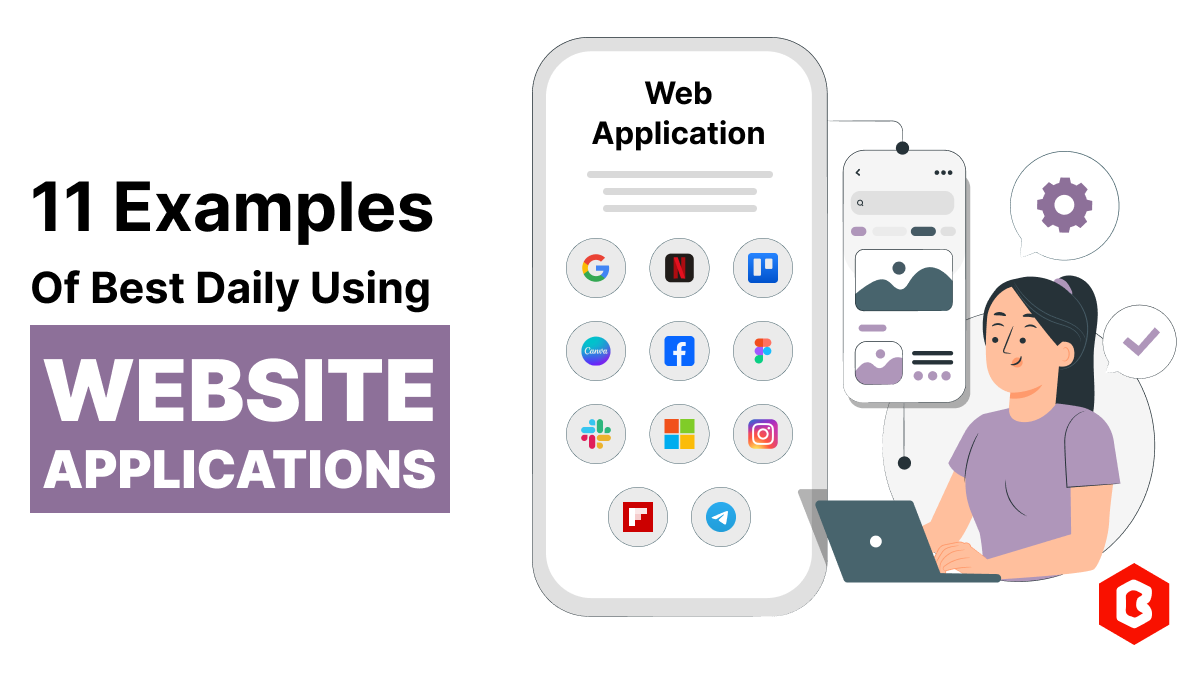
In today's world, web applications are controlling the business arena. Whether it's an eCommerce web...
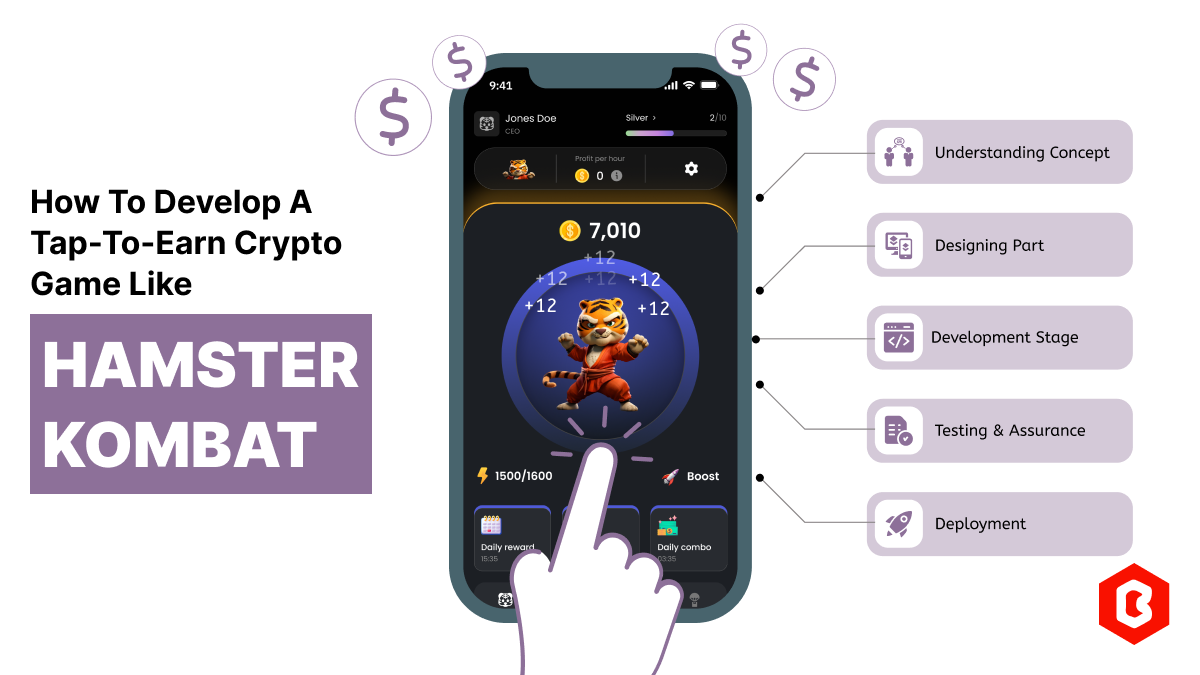
Hamster Kombat is a tap-to-earn crypto game where players are designated as virtual CEO. In developi...

Online Sports betting apps are considered as the source of earning passive income but with that, the...

Not sure which template or UI kit fits your project? Reach out for expert advice.
 100% Satisfaction Guaranteed
  Shop with Confidence!
 Tags
Tags