Buy any 1 product and get 1 absolutely free — this offer applies to all Website Templates, UI Kits, and Complete Scripts.
Buy Now! Article Information Table Of Contents
Building a website used to feel like a big project. You needed designers, developers, testers, maybe even a project manager just to keep things moving. But things are different now.
Today, even a small team, or sometimes just one person, can build a strong, professional website by working smarter. And honestly, that’s the real shift.
It’s not about how many people you have. It’s about how you use the tools, systems, and time you already have.
Before you touch any design or tool, take a step back.
Ask yourself one simple question:
What is this website supposed to do?
Because without clarity, even a big team can build something confusing. You don’t need long documents. Just be clear on things like:
Are you trying to get leads?
Sell products?
Show your work?
Build trust for your brand?
For example, a small local business might only need:
A homepage
A services page
A contact form
That’s it. No need to overbuild. Simple goals lead to a simple structure. A simple structure is easier to manage with a small team.
You don’t have to design everything from scratch. Website templates have improved a lot. And if you choose well, they can save days, or even weeks of work.
But here’s the key: don’t just use a ready-made website template. Adjust it to your needs.
Focus on:
Removing unnecessary sections
Rewriting content in your own voice
Keeping the layout clean and relevant
For example, if a template has 10 sections but you only need 5, just remove the rest. No one’s forcing you to use everything.
A clean, focused site always works better than a crowded one.
When you don’t have a big team, complexity becomes your biggest enemy. The more styles, colors, and layouts you add to the web UI design, the harder it becomes to manage everything.
So keep things simple:
Use 2-3 main colors
Stick to 1-2 fonts
Repeat the same button style
Keep spacing consistent
This not only saves time but also makes your website feel more professional. In a way, consistency creates quality, even without a large team.
A common mistake is spending too much time on design before writing content. But design depends on content.
If you don’t know what you’re saying, how will you design around it?
Start with:
Headlines
Basic page text
Key messages
Keep it simple. You can always refine later.
For example:
Instead of designing a fancy hero section first, write a clear line like:
“We build fast and affordable websites for small businesses.”
Now, design becomes easier. You’re not guessing anymore.
This is where small teams really win. Today’s tools can do a lot of heavy lifting for you. You don’t need to code everything manually. You don’t need to manage every tiny detail.
Look for tools that:
Offer drag-and-drop builders
Provide ready components
Handle responsiveness automatically
Include built-in SEO basics
This saves both time and mental energy. And when you’re working with fewer people, that matters a lot.
Big projects feel overwhelming, especially with a small team. So don’t treat your website as one big task.
Break it down.
For example:
Day 1: Homepage structure
Day 2: Write content
Day 3: Add images
Day 4: Mobile adjustments
Day 5: Testing
This makes progress visible. And visible progress keeps motivation high. You don’t need to finish everything at once.
You don’t have to create new designs for every page. Reuse sections.
If you have a good layout for:
Testimonials
Services
Call-to-action
Just repeat it across pages with small changes. This saves time and keeps your design consistent. Even big companies reuse patterns. It’s not lazy; it’s efficient.
Many people build the entire website first and then test it. That’s risky. Instead, test as you go.
Check things like:
Does the page load fast?
Is it easy to read on mobile?
Are the buttons working properly?
Fixing small issues early is much easier than fixing everything at the end.
This is important. When you have a small team, trying to make everything perfect can slow you down a lot.
Instead, aim for:
Clear
Working
Easy to use
That’s enough to launch. You can always improve later. Honestly, most users don’t notice tiny design details. But they do notice when something is confusing or broken.
If you’re working with even 2–3 people, communication matters. But it doesn’t have to be complicated.
Just make sure:
Everyone knows the goal
Tasks are clearly divided
Feedback is quick and direct
Avoid long discussions over small things. Decide, move forward, improve later. That’s how small teams stay fast.
Sometimes we think we know what users want. But users often behave differently.
So try to get real feedback early:
Ask a friend to use your site
Watch where they get stuck
Notice what they don’t understand
Even 2-3 honest opinions can reveal issues you didn’t see. And fixing those early makes your website much stronger.
If your website involves repeated tasks, automation can help.
For example:
Auto email responses for contact forms
Simple analytics tracking
Scheduled content updates
These small things reduce manual effort. And over time, that adds up.
Launching your website is not the end. It’s just the beginning.
Once it’s live:
Track user behavior
See which pages work best
Update content regularly
Small improvements over time can make a big difference. You don’t need a big team for this. Just consistency.
Instead of thinking:
“I don’t have enough people to build a great website”
Try thinking:
“How can I make this as simple and effective as possible?”
That shift changes everything. Because in today’s world, simplicity often beats complexity.
You don’t need a big team to build a great website anymore.
You just need:
Clear goals
Smart tools
Simple design
Focused execution
In fact, small teams often move faster and make better decisions because there’s less confusion. So don’t wait for more resources. Start with what you have. Build step by step. And keep things simple. That’s the smart way.
 Similar Blogs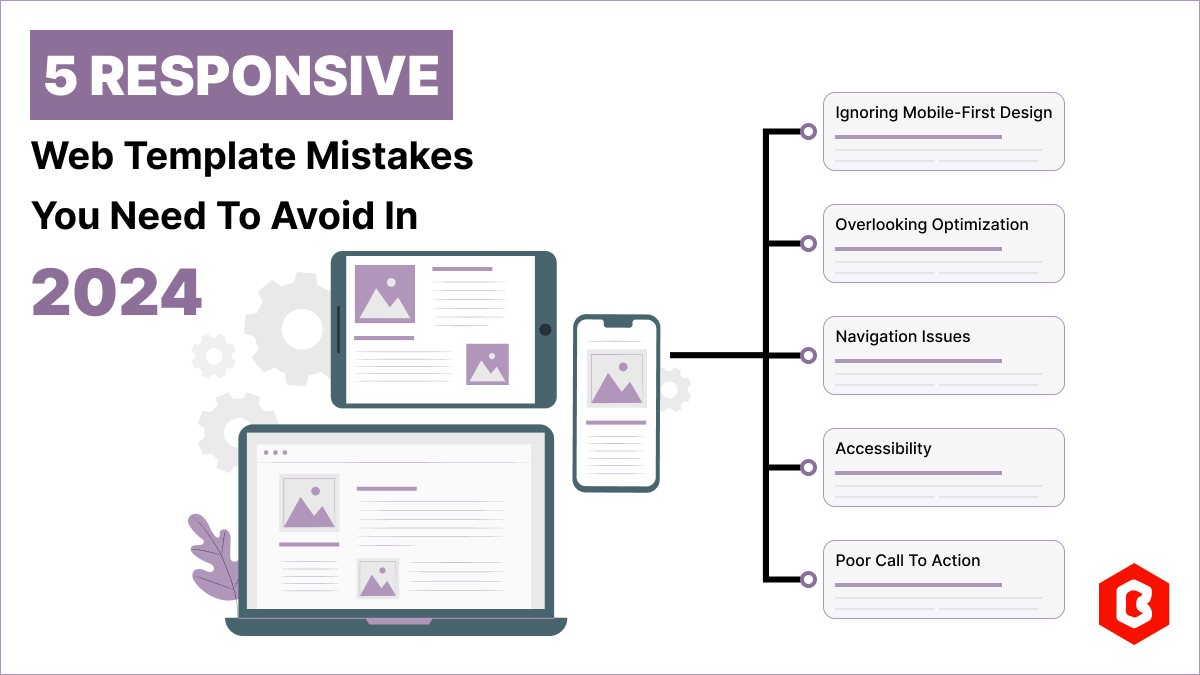
Having a responsive web template can help you succeed and keep your business ahead of the competitio...
Having an interactive and functional website is a core aspect of making a successful online business...

In today's digital age, having a strong online presence is no longer a luxury for local businesses -...

Only on Google, every second approximately 99K searches are conducted. Daily this number reaches 8.5...

Every business needs better marketing to promote their products and services. Nowadays, they prefer...
Having a website has become necessary for all sizes of businesses in this digital world. Whether you...

Not sure which template or UI kit fits your project? Reach out for expert advice.
 100% Satisfaction Guaranteed
  Shop with Confidence!
 Tags
Tags