Buy any 1 product and get 1 absolutely free — this offer applies to all Website Templates, UI Kits, and Complete Scripts.
Buy Now! Article Information Table Of Contents
Buying a used car is one of the smartest ways to save money, but only if you choose the right vehicle. A car that looks spotless on the outside may hide expensive mechanical problems, accident damage, or legal issues that could cost you thousands after purchase.
That's why following a used car inspection checklist is essential before making any payment. Whether you're purchasing from a dealership, certified reseller, or an individual seller, inspecting the vehicle thoroughly helps you understand its true condition and negotiate a fair price.
As we know, the used car market continues to grow worldwide as buyers look for affordable alternatives to new vehicles. However, industry reports suggest that many used cars require unexpected repairs within the first year because buyers skip proper inspections. Spending an extra 30 to 60 minutes evaluating the car can save you from costly surprises later.
This guide walks you through every stage of the inspection process: from checking the exterior and engine to reviewing documents and taking a proper test drive. By the end, you'll also have access to information you can use during your next purchase.
Before looking under the hood or checking the paperwork, it's important to understand why inspections matter. Unlike new vehicles, every used car has a different history. Some have been carefully maintained, while others may have been involved in accidents, neglected by previous owners, or repaired with low-quality parts.
A detailed inspection helps you uncover issues that aren't visible at first glance. This information can be a key during the price negotiations.
Even if the seller claims the car is in "excellent condition," never rely solely on their description. Always inspect the vehicle yourself or hire a trusted mechanic.
A complete inspection can help you:
Detect hidden mechanical problems
Identify previous accident damage
Estimate future maintenance costs
Verify the vehicle's overall condition
Avoid buying a car with legal or ownership issues
Now that you understand why inspections are important, let's begin with the first thing you'll notice: the vehicle's exterior.
The exterior tells the story of how well a vehicle has been treated. While a shiny finish may look attractive, don't let appearances fool you. Walk around the car slowly and inspect it from multiple angles under natural daylight.
Start by checking the paint. Differences in color, uneven texture, or overspray near window seals indicate previous repainting after an accident. Examine the alignment of the doors, hood, trunk, and bumpers. Uneven gaps between body panels may suggest structural repairs.
Next, inspect the windshield, windows, and mirrors for chips or cracks. Replacing automotive glass can be expensive, especially if advanced driver assistance sensors are integrated into the windshield.
Don't forget the tires. Uneven tread wear could indicate poor wheel alignment or suspension problems. Also check the tire manufacturing date, as old tires can become unsafe even if the tread appears sufficient.
Finally, inspect underneath the vehicle for rust, especially around the frame, wheel arches, and suspension mounting points. Surface rust is common in older cars, but structural corrosion should never be ignored.
Once you're satisfied with the exterior, it's time to inspect the heart of the vehicle: the engine.
The engine is the most valuable and expensive component of any vehicle, which is one of the most critical areas to inspect. Even minor engine issues can lead to costly repairs if overlooked.
Begin with the engine oil. Remove the dipstick and examine the oil's color and consistency. Clean, amber-colored oil is a good sign, while thick sludge, a burnt smell, or a milky appearance may indicate poor maintenance or internal engine damage.
Next, inspect the coolant reservoir. The coolant should appear clean and free from oil contamination. Low coolant levels or rusty fluid can signal leaks or cooling system problems.
Carefully examine hoses, belts, and wiring for cracks, leaks, or signs of wear. Look around the engine block for oil stains or fresh fluid leaks, paying attention to the area beneath the car as well.
Check the battery terminals for corrosion and verify the battery's manufacturing date. A weak battery isn't necessarily a deal-breaker, but it can help during price negotiations.
If possible, start the engine when it's cold. Listen for unusual knocking, rattling, or excessive vibration. The engine should idle smoothly without producing blue, black, or white smoke from the exhaust.
After confirming the engine's condition, move on to the suspension system that affects both safety and driving comfort.
A vehicle's suspension does much more than provide a comfortable ride. It plays a major role in handling, braking, tire wear, and overall driving safety.
Start with a simple bounce test by pressing down firmly on each corner of the vehicle. The car should return to its original position almost immediately. Excessive bouncing indicates worn shock absorbers.
Next, inspect visible suspension components for damaged bushings, leaking shocks, or broken springs. While not every part is easily visible, obvious wear should raise concerns.
Take a close look underneath the vehicle. Fresh oil leaks, damaged exhaust components, bent chassis sections, or severe rust may indicate accident damage or poor maintenance.
Pay attention to the condition of the underbody protective covers as well. Missing covers may expose important mechanical components to dirt, water, and road debris.
Many suspension problems only become noticeable while driving, but a visual inspection helps identify issues before the test drive begins.
Now that the mechanical foundation appears sound, let's move inside the cabin.
The interior reflects how previous owners cared for the vehicle over time. Excessive wear inside the cabin tells a different story than the odometer.
Begin by inspecting the seats for tears, stains, sagging cushions, or damaged adjustment mechanisms. Excessive seat wear on a low-mileage vehicle could indicate odometer tampering.
Turn the ignition on and verify that all dashboard warning lights illuminate briefly before turning off after the engine starts. Persistent warning lights should never be ignored.
Operate every control inside the cabin, including the air conditioning, heater, power windows, mirrors, seat adjustments, central locking, steering controls, and the sunroof if equipped.
Check the carpets and floor mats for moisture or mold, as these may indicate water leakage or previous flood damage. Also inspect the roof lining for stains that could point to hidden leaks.
Finally, pay attention to unusual odors inside the cabin. A strong musty smell may suggest water damage, while excessive air fresheners can sometimes hide unpleasant odors.
Once the cabin passes inspection, it's time to verify every electronic feature.
Modern vehicles rely heavily on electronic systems for convenience, safety, and performance. Repairing electrical faults can quickly become expensive, so never assume everything works without testing it yourself.
Start by checking all exterior lights, including headlights, brake lights, indicators, reverse lights, and fog lamps. Replaceable bulbs are inexpensive, but electrical wiring issues are not.
Inside the cabin, test the infotainment system thoroughly. Connect your smartphone through Bluetooth, verify USB ports, check navigation if available, and ensure the touchscreen responds correctly.
Next, test features such as parking sensors, reverse camera, automatic climate control, cruise control, steering-mounted controls, wireless charging, and keyless entry.
Don't forget to operate the windshield wipers and washer system. Even simple electrical components can reveal signs of neglect.
Finally, verify that all charging ports and power outlets function correctly. Small electronic failures may indicate larger wiring issues hidden beneath the dashboard.
Once you're confident the electronics are functioning properly, it's time for the most revealing part of the inspection: the test drive.
A proper test drive reveals problems that no visual inspection can detect. Plan to drive the vehicle for at least 20 minutes across different road conditions whenever possible.
Begin by observing how easily the engine starts. It should idle smoothly without excessive vibration or unusual noises.
During acceleration, the vehicle should respond consistently without hesitation or jerking. Manual transmissions should shift smoothly, while automatic gear changes should feel almost seamless.
Pay close attention to steering response. The vehicle should remain stable without pulling to either side, even on straight roads.
Test the brakes in a safe location. They should stop the car smoothly without vibration, squealing, or excessive pedal travel.
Drive over speed bumps and rough roads while listening for suspension noises such as knocking, squeaking, or rattling.
Finally, turn off the radio and drive in silence for a few minutes. Wheel bearing noise, transmission whine, wind leaks, and drivetrain vibrations become noticeable only in a quiet cabin.
If the vehicle performs well during the test drive, the final step is verifying its legal documentation.
Even the best-maintained vehicle should never be purchased without verifying its documents. Missing or incorrect paperwork can create legal complications long after the sale. Start by checking the Registration Certificate (RC) and confirm that the chassis number and engine number match the numbers stamped on the vehicle.
Next, review the insurance policy. Verify that it is active and examine any available claim history. Multiple insurance claims may suggest repeated accident repairs or significant damage in the past.
Ask for complete service records. A well-documented car maintenance history shows regular servicing, helps verify the vehicle's mileage, and makes future maintenance easier to track.
Also verify the Pollution Under Control (PUC) certificate where applicable, along with tax receipts and any manufacturer warranty documents that are still valid.
Check there are no outstanding loans or financial liabilities attached to the vehicle. If the car was financed, request proof that the loan has been fully closed before completing the purchase.
Finally, compare the odometer reading with the service records and the overall condition of the interior. Inconsistent mileage is a major warning sign that could indicate odometer tampering and should never be ignored.
With the inspection complete, keeping a printable checklist can make future used car purchases faster, easier, and more reliable.
Buying a used car is a significant investment, and a thorough inspection is the best way to protect it. By following this used car inspection checklist, you can identify hidden mechanical issues, verify the vehicle's condition, and avoid unexpected repair costs you have to pay after purchase. From examining the exterior and engine to testing electronics, taking a proper test drive, and verifying documents, every step plays a crucial role in making an informed decision.
How long does a used car inspection take?
A complete inspection typically takes between 30 and 60 minutes. If a professional mechanic performs a detailed inspection, expect it to take around 90 minutes.
Should I hire a mechanic before buying a used car?
Yes. Even if the vehicle appears to be in excellent condition, an independent mechanic can identify hidden issues that most buyers might overlook.
What is the most important thing to inspect?
The engine, transmission, suspension, accident history, and legal documents are the most critical areas because repairs or legal problems can significantly increase ownership costs.
Can I negotiate the price after an inspection?
Absolutely. Any issues discovered during the inspection can be used to negotiate a lower purchase price or request repairs before completing the sale.
Is a test drive really necessary?
Yes. Many mechanical problems only become noticeable while driving, making the test drive one of the most valuable parts of the inspection process.
 Tags
Tags  Similar Blogs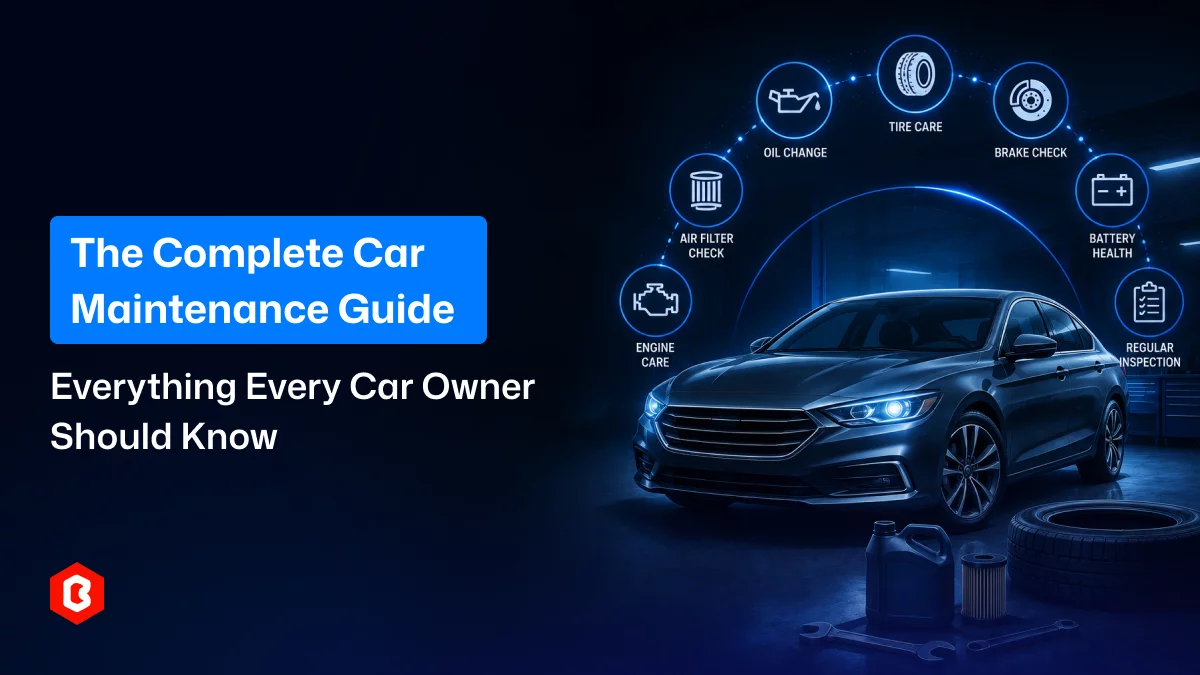
Buying a car is a significant investment for any person. The thing is, keeping it in good condition...
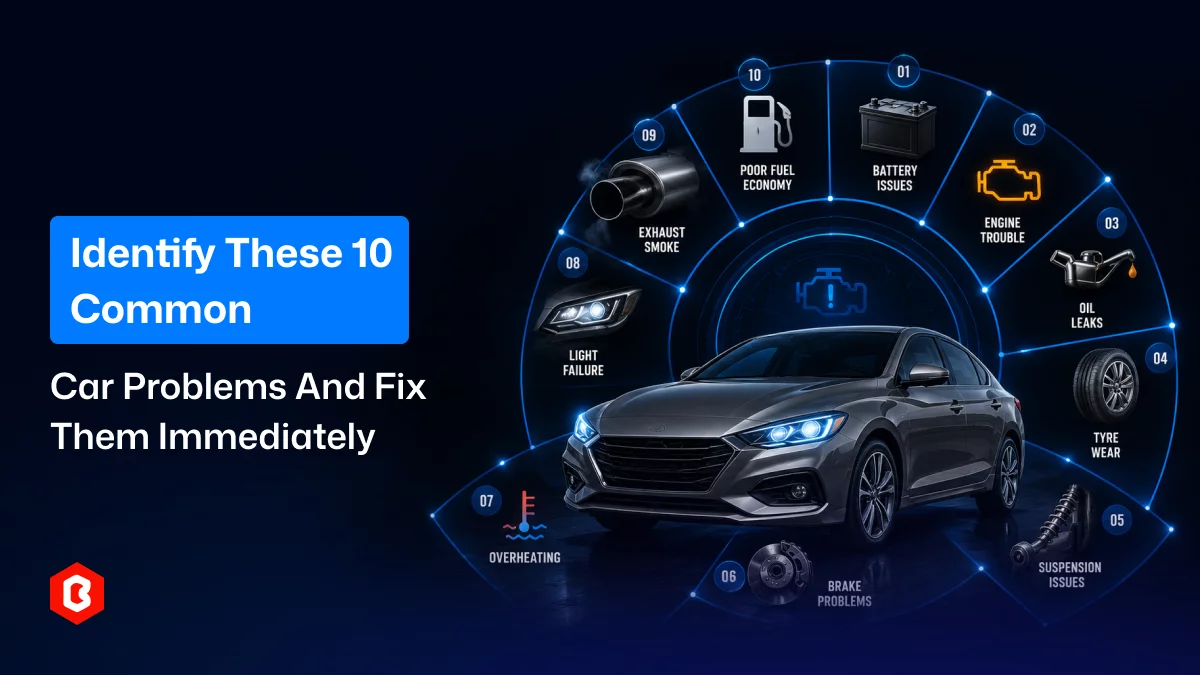
Whether you own a new car or purchase a refurbished vehicle, after a certain time, you usually notic...
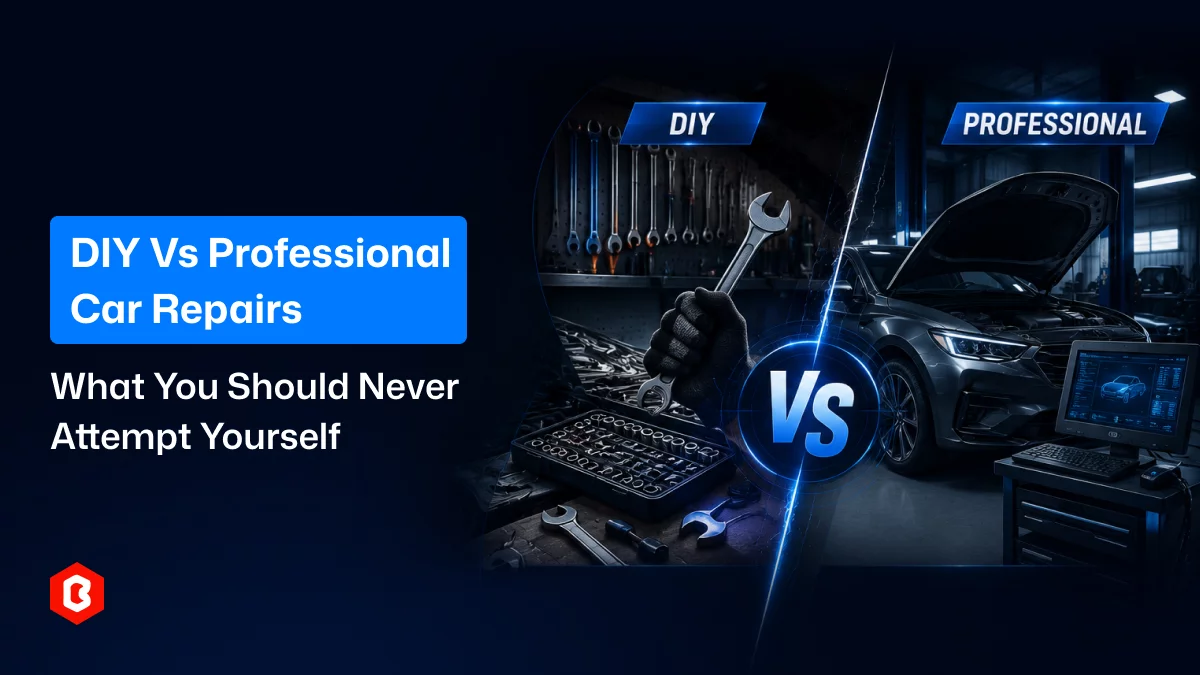
Owning a car is one of the biggest investments you make. You want to save money on car maintenance w...
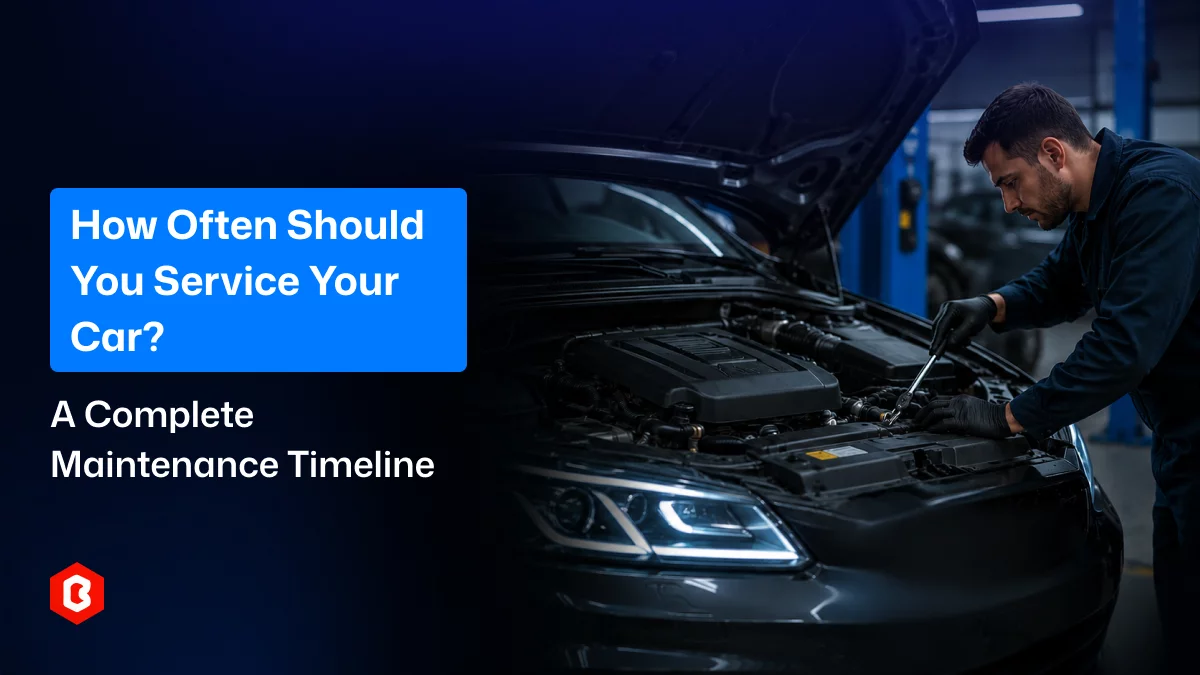
Usually, drivers notice their car vehicles need regular service. But the issue is they’re not sure w...
Does changing the engine oil fix the car problems? This is a common thought, especially for new car...
Since the rainy season has arrived, car owners think they can get relief from scorching temperatures...
Related Products 


Not sure which template or UI kit fits your project? Reach out for expert advice.
 100% Satisfaction Guaranteed
  Shop with Confidence!