Buy any 1 product and get 1 absolutely free — this offer applies to all Website Templates, UI Kits, and Complete Scripts.
Buy Now! Article Information Table Of Contents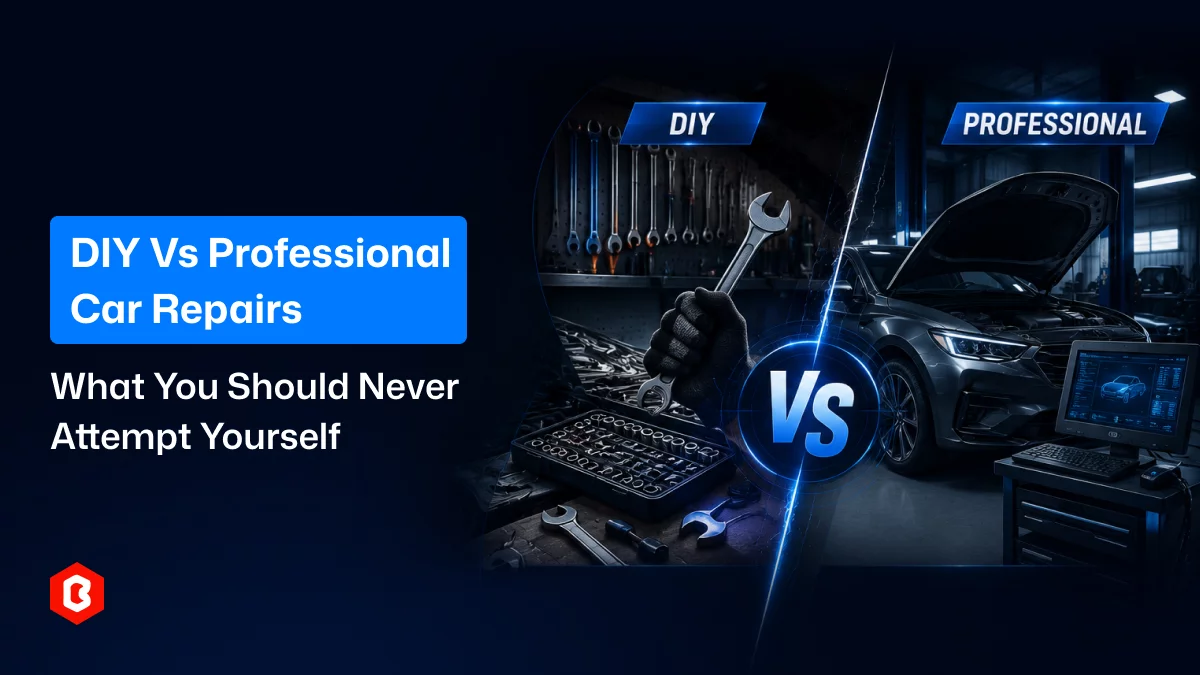
Owning a car is one of the biggest investments you make. You want to save money on car maintenance whenever possible. Thanks to YouTube tutorials and thousands of online guides, DIY car repairs have become more popular than ever.
This covers everything from changing engine oil to replacing windshield wipers. Many vehicle owners now prefer fixing minor issues themselves.
But here's the reality: not every repair belongs in your garage.s
Even a simple mistake during the repair of a modern vehicle can cause expensive damage, reduced safety measures, or even life-threatening accidents.
Here’s the thing: According to the National Highway Traffic Safety Administration (NHTSA), vehicle-related mechanical failures contribute to thousands of road accidents every year. While regular maintenance keeps cars reliable, improper repairs create new problems instead of solving old ones.
So how do you know which jobs you can safely perform yourself and which ones require a professional mechanic?
This guide explains the difference between DIY-friendly repairs, intermediate maintenance tasks, and repairs that should always be handled by trained professionals.
The accessibility of unlimited information regarding video tutorials, repair forums, affordable tools, and online parts stores makes it easier than ever to work on your own vehicle.
The biggest reasons people choose DIY car maintenance include:
Saving labor costs
Learning valuable automotive skills
Completing simple jobs at home
Better understanding how their vehicle works
Avoiding unnecessary visits to repair shops
Many routine maintenance tasks genuinely don't require professional equipment.
However, confidence should never replace experience.
Nowadays, vehicles are made with:
Advanced electronics
Computer-controlled safety systems
Turbocharged engines
Hybrid technology
Complex braking systems
This demands specialized knowledge to be applied.
These repairs are generally safe for beginners if the correct tools and instructions are followed. After purchasing a used car through a checklist, these tasks can be done.
Difficulty: Easy
In DIY car repairs, replacing windshield wiper blades is one of the simplest tasks that almost every vehicle owner can handle. If your wipers leave streaks, make squeaking noises, skip across the windshield, or have cracked rubber edges, it's time for a replacement.
Usually, fitting fresh wiper blades improves visibility during rain, snow, and dusty conditions. It helps you drive safely in all weather. Most vehicles require no special tools, and the entire job can usually be completed in less than 10 minutes.
Regularly replacing worn wipers is an inexpensive part of car maintenance that helps prevent reduced visibility and keeps your windshield clear throughout the year.
Average DIY Cost: $20-50
Professional Cost: $40-80
Difficulty: Easy
Changing the engine air filter is one of the easiest DIY maintenance tasks and requires little to no mechanical experience. A clean air filter allows the engine to receive a steady flow of fresh air, so it burns fuel more efficiently and performs at its best.
Over time, dust, dirt, and debris clog the filter, which can reduce airflow and potentially affect acceleration and fuel economy. Most engine air filters can be replaced in under 10 minutes without specialized tools.
For improving engine performance, regular replacement helps reduce engine wear and extend the life of your vehicle.
Average DIY Cost: $15-40
Professional Cost: $40-90
Difficulty: Easy
Talking about quick and inexpensive DIY car maintenance, replacing the cabin air filter improves the air quality inside your vehicle. This filter traps dust, pollen, dirt, and other airborne particles before they enter the cabin through the heating and air conditioning system.
A clogged cabin air filter can reduce airflow, create unpleasant odors, and make your HVAC system work harder. Most vehicles allow easy access to the filter behind the glove box, so replacement is possible in just 10-15 minutes.
Installing a new cabin air filter ensures cleaner air, better climate control performance, and a more comfortable driving experience.
Average DIY Cost: $20-50
Professional Cost: $50-100
Difficulty: Easy to Moderate
A faulty headlight, taillight, brake light, or turn signal bulb change is a practical do-it-yourself car repair task. With the basic tools, this task can be completed easily.
Working lights are essential for safe driving, especially at night or during poor weather conditions. If you notice dim lighting, flickering bulbs, or receive a dashboard warning, it's time for a replacement.
Always choose the correct bulb type recommended by your vehicle manufacturer and avoid touching the glass of halogen bulbs with bare hands. Changing burned-out bulbs promptly improves visibility, ensures your vehicle remains road-legal, and helps keep you and other drivers safe.
Average DIY Cost: $10-40
Professional Cost: $30-100
Difficulty: Easy
Another DIY task you can complete for your car is checking tire pressure. Note that properly inflated tires improve vehicle handling, shorten braking distances, and help maximize fuel efficiency.
Other side, if your drive with underinflated or overinflated tires can cause uneven tire wear, poor performance, and an increased risk of blowouts. Use a reliable tire pressure gauge and compare the readings with the recommended PSI listed on the driver's door jamb or in the owner's manual.
Spending just a few minutes checking tire pressure every month can extend tire life, improve road safety, and reduce long-term maintenance costs.
Average DIY Cost: Free-$15 (if purchasing a tire pressure gauge)
Professional Cost: Free-$20
Difficulty: Easy
Windshield washer fluid refilling is one of the quickest tasks to be done within a few minutes. Washer fluid helps remove dirt, bugs, road grime, and other debris from the windshield for clear visibility during driving.
If you run out of fluid can make it difficult to clean the windshield, especially during long trips or bad weather. Simply locate the washer fluid reservoir under the hood, open the cap, and fill it with a washer fluid suitable for your local climate. Regularly checking and refilling the reservoir improves driving safety.
Average DIY Cost: $5-15
Professional Cost: $20-40
Difficulty: Easy
Replacing worn floor mats with interior accessories can be done by yourself. It can enhance comfort and help protect your vehicle's interior. Quality floor mats shield the carpet from mud, water, dirt, and spills that can reduce wear and make cleaning much easier.
You can also replace simple accessories such as seat covers, steering wheel covers, or cargo liners without any special tools. These affordable upgrades help preserve your car's resale value, improve the overall driving experience, and keep the cabin looking clean, organized, and well-maintained.
Average DIY Cost: $20-100
Professional Cost: $50-150
Intermediate DIY car repairs require more than basic tools and confidence.
Difficulty: Moderate
Changing the engine oil is one of the most common DIY tasks for experienced vehicle owners. Fresh engine oil lubricates moving parts, reduces friction, prevents overheating, and helps extend engine life. Although the process is straightforward, it requires the correct oil grade, a new oil filter, proper lifting equipment, and safe disposal of used oil.
Using the wrong oil or failing to tighten the drain plug and filter correctly can lead to serious engine damage. Following the manufacturer's recommended service intervals ensures optimal engine performance and long-term reliability.
Average DIY Cost: $40-80
Professional Cost: $80-180
Difficulty: Easy to Moderate
With basic mechanical knowledge, you can change a car battery. You already know how a weak or failing battery can be harmful, like slow engine cranking and dim headlights.
Before installing a new battery, ensure you choose the correct size and specifications recommended by the manufacturer. Always disconnect the negative terminal first and reconnect it last to avoid electrical shorts.
Keep in mind that some modern vehicles require battery registration or electronic system resets after replacement. When performed correctly, replacing the battery restores reliable starting performance and keeps your vehicle's electrical systems operating efficiently.
Average DIY Cost: $120-250
Professional Cost: $180-350
Difficulty: Hard
Change brake pads when you have advanced tools and experience. Brake pads are a critical part of your vehicle's braking system, directly affecting your ability to stop safely. Worn pads produce squealing or grinding noises, increase stopping distances, or trigger a brake warning light.
During replacement, the caliper, brake rotor, and hardware must be inspected carefully, and all components must be installed correctly. Any mistake can compromise braking performance and road safety. If you're unsure about the process, it's best to leave this repair to a qualified mechanic.
Average DIY Cost: $80-180
Professional Cost: $250-600
Difficulty: Moderate
To restore engine performance and improve fuel efficiency, spark plug replacement is an important task. Spark plugs ignite the air-fuel mixture inside the engine, so worn or damaged plugs may cause rough idling, engine misfires, poor acceleration, or difficulty starting the vehicle.
Although the job is relatively straightforward on many cars, it requires the correct spark plug type, proper gap settings where applicable, and accurate torque during installation.
Over-tightening or cross-threading a spark plug can damage the cylinder head, leading to expensive repairs. Replacing spark plugs at the recommended service interval helps ensure smooth engine operation and reliable performance.
Average DIY Cost: $40-120
Professional Cost: $150-400
Difficulty: Moderate
Replacing a worn serpentine belt is an intermediate DIY car repair that requires careful attention to detail. The serpentine belt powers essential components such as the alternator, power steering pump, air conditioning compressor, and water pump in many vehicles.
A cracked, frayed, or squealing belt is a sign that replacement is needed. Before removing the old belt, make sure you understand the correct routing pattern, as improper installation can affect multiple vehicle systems.
Inspect the belt tensioner and pulleys for wear while performing the replacement. Installing a new serpentine belt on time helps prevent unexpected breakdowns and ensures reliable engine operation.
Average DIY Cost: $30-80
Professional Cost: $100-250
While many maintenance tasks can be handled at home, some car repairs should always be left to trained professionals.
Difficulty: Advanced
Airbag system repairs should never be treated as a DIY car repair. Modern airbags are part of a sophisticated Supplemental Restraint System (SRS) that uses crash sensors, control modules, seat belt pretensioners, and explosive inflators to protect occupants during a collision.
Mishandling any of these components can trigger accidental airbag deployment, resulting in serious injuries and expensive vehicle damage. Even replacing a faulty airbag sensor or steering wheel module requires specialized diagnostic equipment and manufacturer-specific calibration.
If your vehicle displays an SRS or airbag warning light, have it inspected by a certified technician to ensure the entire safety system functions correctly.
Average Professional Cost: $300-2,500+ (depending on the repair)
Difficulty: Advanced
The brake hydraulic system is one of the most important safety components in any vehicle and should always be serviced by a qualified professional. Repairs involving the master cylinder, brake lines, brake hoses, ABS module, or brake fluid bleeding require specialized tools and precise procedures.
Even a small amount of trapped air or a minor fluid leak can significantly reduce braking performance and increase stopping distances. Modern vehicles also rely on electronic braking systems that require diagnostic equipment for proper calibration.
When it comes to your brakes, there is no room for error. Professional repairs help ensure maximum safety for you and everyone else on the road.
Average Professional Cost: $200-1,500+ (depending on the repair)
Difficulty: Advanced
Transmission repairs are among the most complex automotive repairs and should always be handled by experienced professionals. Whether your vehicle has a manual, automatic, CVT, or dual-clutch transmission, these systems contain hundreds of precision-engineered components that must work together flawlessly.
Symptoms such as delayed shifting, slipping gears, unusual noises, transmission fluid leaks, or warning lights require advanced diagnostic equipment to identify the exact problem. Attempting internal transmission repairs without specialized tools and technical expertise can lead to complete transmission failure and significantly higher repair costs.
Professional technicians have the knowledge to diagnose, repair, and recalibrate the transmission to restore smooth and reliable performance.
Average Professional Cost: $1,000-5,000+ (depending on the repair or replacement)
Difficulty: Advanced
Internal engine repairs are among the most advanced car repairs and should only be performed by certified mechanics. Pistons, connecting rods, crankshafts, cylinder heads, valves, timing chains, and camshafts require precise measurements. It also needs specialized tools and manufacturer-approved torque specifications. This is a common car problem and has to be fixed immediately.
Even a minor mistake during reassembly can result in poor engine performance or catastrophic engine failure. These repairs involve complete engine disassembly, making them unsuitable for most DIY enthusiasts.
If your vehicle has severe engine knocking, loss of compression, excessive oil consumption, or overheating issues, professional diagnosis and repair are the safest and most reliable solution.
Average Professional Cost: $1,500-8,000+ (depending on the repair or engine rebuild)
Difficulty: Hard
Suspension and wheel alignment repairs require specialized equipment and precise adjustments to ensure your vehicle handles safely. While replacing certain suspension components may seem manageable, incorrect installation or poor alignment can create uneven tire wear, steering problems, reduced stability, and longer braking distances.
Components such as control arms, ball joints, struts, shocks, and tie rods directly affect ride quality and vehicle control. After replacing any major suspension part, a professional wheel alignment is essential to restore the manufacturer's specifications.
Having these repairs completed by an experienced technician improves driving comfort, extends tire life, and helps maintain safe handling on every journey.
Average Professional Cost: $150-1,500+ (depending on the repair)
Difficulty: Advanced
Diagnosing electrical problems in modern vehicles is far more complicated than checking a blown fuse. Today's cars depend on dozens of electronic control units (ECUs), sensors, wiring harnesses, and computer networks that communicate with each other.
A single warning light may have multiple possible causes, making accurate diagnosis impossible without professional scan tools and technical expertise.
Attempting to repair electrical faults through trial and error can damage expensive components or create additional problems. If you're experiencing battery drain, dashboard warning lights, malfunctioning electronics, or intermittent electrical issues, it's best to have your vehicle inspected by a qualified automotive technician.
Average Professional Cost: $100-800+ (depending on the diagnosis and repair)
Difficulty: Hard
Repairs involving hybrid and electric vehicle (EV) high-voltage systems should never be attempted at home. Unlike conventional vehicles, EVs and hybrids operate with high-voltage batteries and electrical components that can carry hundreds of volts, posing a serious risk of electric shock if handled incorrectly.
Certain types of components need attention, like servicing battery packs, inverters, charging systems, or high-voltage cables requires specialized training, insulated tools, and strict safety procedures. In many cases, technicians must disable the high-voltage system before beginning any repair.
If your hybrid or electric vehicle displays battery warnings, charging issues, or powertrain faults, always seek assistance from a certified EV technician to ensure safe and accurate repairs.
Average Professional Cost: $300-10,000+ (depending on the repair or battery replacement)
Knowing the difference between DIY car repairs and jobs that require a professional mechanic can save you both money and unnecessary risks. Simple maintenance tasks like replacing wiper blades, air filters, or checking tire pressure are great ways to keep your vehicle in excellent condition while reducing ownership costs.
However, repairs involving brakes, airbags, transmissions, electrical systems, or hybrid and electric vehicle components should always be left to trained professionals. By understanding your skill level and prioritizing safety over savings, you can protect your investment, improve your vehicle's reliability, and enjoy safer, worry-free driving for years to come.
 Tags
Tags  Similar Blogs
Online car rental is in high demand in the travel industry. Instead of relying on public transport,...
Buying a car is a significant investment for any person. The thing is, keeping it in good condition...
Buying a used car is one of the smartest ways to save money, but only if you choose the right vehicl...
Whether you own a new car or purchase a refurbished vehicle, after a certain time, you usually notic...
Usually, drivers notice their car vehicles need regular service. But the issue is they’re not sure w...
Does changing the engine oil fix the car problems? This is a common thought, especially for new car...
Related Products 

Not sure which template or UI kit fits your project? Reach out for expert advice.
 100% Satisfaction Guaranteed
  Shop with Confidence!