Buy any 1 product and get 1 absolutely free — this offer applies to all Website Templates, UI Kits, and Complete Scripts.
Buy Now! Article Information Table Of Contents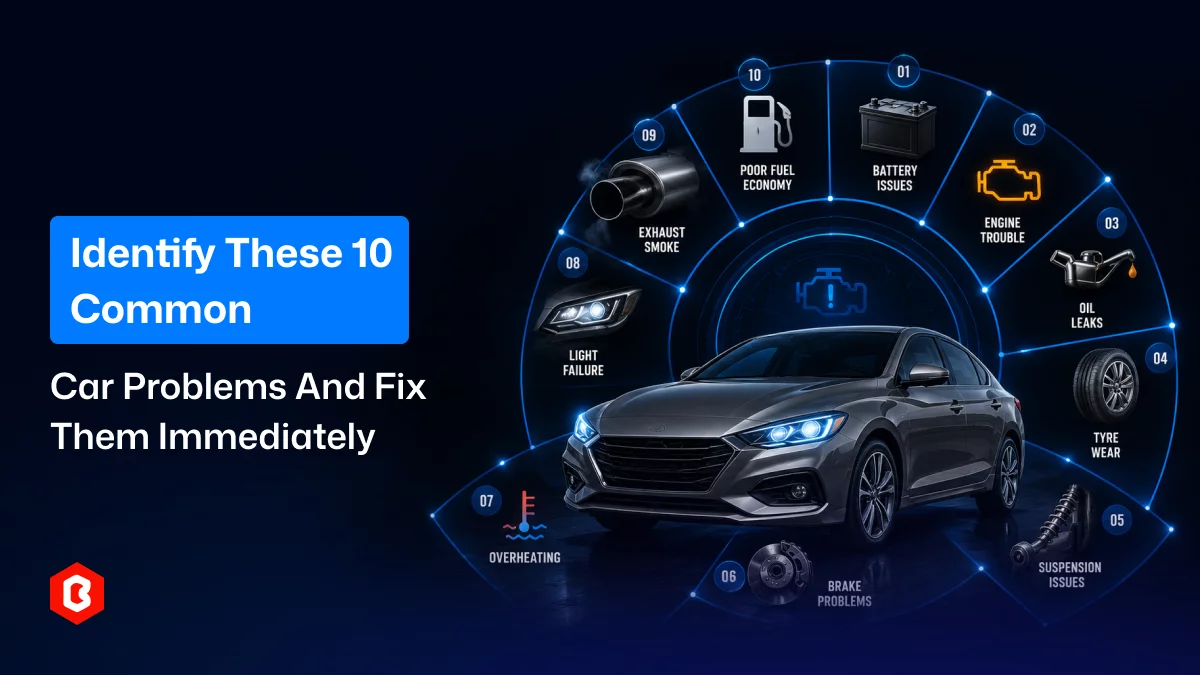
Whether you own a new car or purchase a refurbished vehicle, after a certain time, you usually notice a strange noise come out during the driving. Then, a warning light appears on the dashboard and a small puddle of fluid under your car. Don’t ever ignore these signs. Acting on these signs early saves you from expensive repairs and unexpected breakdowns. In other words, what seems like a minor issue today could leave you with an issue tomorrow or even put your safety at risk.
This guide helps you to identify these 10 most common car problems. You will know the symptoms to watch for, what possible causes are, and the estimated repair costs. Also, we will talk about in which circumstances you can handle it yourself or should leave it to a professional mechanic. By the end, you'll know exactly what your car is trying to tell you and how to respond with confidence.
Every car problem is different. When a warning sign appears, it deserves attention before sending it to the repair shop.
The table below gives you a quick overview of the most common car problems.
| Problem | Common Symptoms | Possible Causes | Estimated Repair Cost* | Can You Keep Driving? | DIY or Professional? |
|---|---|---|---|---|---|
| Check Engine Light | Dashboard warning light | Loose fuel cap, faulty sensor, engine issue | $20-$1,000+ | ⚠️ Only if no flashing light | DIY (basic) / Professional |
| Engine Overheating | High temperature gauge, steam | Low coolant, radiator leak, bad thermostat | $100-$1,500+ | ❌ No | Professional |
| Dead Battery | Slow engine crank, clicking sound | Old battery, alternator issue | $100-$300 | ❌ No | DIY / Professional |
| Brake Problems | Squealing, grinding, vibration | Worn brake pads or rotors | $150-$800 | ❌ No | Professional |
| Tire Problems | Uneven wear, low pressure, vibration | Underinflation, puncture, poor alignment | $20-$500 | ⚠️ Limited | DIY / Professional |
| Oil Leak | Oil spots, burning smell | Worn gasket or damaged seal | $150-$800 | ⚠️ Only for short distances | Professional |
| Engine Noise | Knocking, ticking, rattling | Low oil, worn engine parts | $100-$3,000+ | ❌ No | Professional |
| Transmission Issues | Gear slipping, delayed shifting | Low transmission fluid, worn components | $200-$4,000+ | ❌ No | Professional |
| Exhaust Smoke | Blue, white, or black smoke | Oil burning, coolant leak, fuel issue | $100-$2,500+ | ⚠️ Depends on severity | Professional |
| Car Won't Start | No crank or clicking sound | Dead battery, starter, fuel system | $100-$800 | ❌ No | DIY / Professional |
*Estimated repair costs vary depending on the vehicle model, location, labor charges, and the severity of the problem.
In the following sections, we'll explain each problem in detail so you can understand what causes it, how to recognize it early, and when it's time to seek professional help.
The first issue in any of the car is a glowing check engine light. It tells you your car has something that isn’t working as it should. Mostly, car drivers continue to drive and hope the warning sign disappears. This results in a small issue becoming a costly repair.
The reason behind it is a loose fuel cap, or it could indicate a failing sensor, ignition fault, or engine misfire. That's why getting a check engine light diagnosis as soon as possible is always the smartest decision. Modern vehicles store diagnostic trouble codes (DTCs), making it easier for mechanics to identify the exact problem without guesswork.
Interesting Fact: According to automotive diagnostic data, a faulty oxygen (O2) sensor is one of the most common reasons for a check engine light. Ignoring it can reduce fuel economy by up to 40%, meaning you could spend far more on fuel than the cost of replacing the sensor.
Start with the basics by checking whether the fuel cap is loose or damaged. If you have an OBD-II scanner, read the fault code to understand the issue. For sensor failures, ignition problems, or engine-related faults, book a professional check engine light diagnostic. Fixing the problem early is usually faster, safer, and far less expensive than waiting for additional engine damage.
This is the most serious car problem you can face: an overheating engine. If the temperature gauge climbs into the red zone or steam starts coming from under the hood, don't ignore it. If you continue to drive with an overheated engine can damage the following:
Head gasket
Warp the cylinder head
Ruin the engine completely
In many cases, the problem starts with something simple, such as low coolant or a faulty thermostat. Identifying the cause early can help you avoid a repair bill worth thousands of dollars.
Did you know? A modern engine normally operates between 90°C and 105°C (194°F-221°F). Temperatures above this range can cause engine components to expand beyond their limits, increasing the risk of permanent engine damage within minutes.
First of all, safely inspect the coolant reservoir for a low coolant level after the engine is cooled. If noticing repeated coolant loss, leaks, or the engine overheats again after topping up the coolant, schedule an engine overheating repair immediately. A professional mechanic can pressure-test the cooling system and identify the exact cause before it leads to catastrophic engine failure.
When your car refuses to start, the common reason is the dead car battery. It usually happens without warning, leaving you stranded at home, in a parking lot, or even on the roadside. Most car batteries last between 3 and 5 years only. Here are the reasons that reduce battery lifespan:
Extreme temperatures
Frequent short trips
Leaving headlights or interior lights on
But most of the vehicle models are manufactured to give several warning signs before the battery fails. Recognizing these symptoms early can help you replace the battery before it causes inconvenience.
Interesting Fact: The average starter motor draws 150 to 300 amps of power every time you start your car. A weak battery may still power your lights and radio but fail to deliver enough current to crank the engine.
By yourself, you can inspect and clean corroded battery terminals or jump-start the vehicle if the battery has discharged. Found a battery repeatedly not working or the charging system is faulty, then book a car battery replacement or alternator inspection. Conducting a professional battery test will quickly determine whether the battery or charging system is causing the problem.
In safe car driving, a braking system is important for protection. If brakes do not respond properly at a time, even a short trip can become problematic. Car owners ignore early warning signs like squealing noises or a soft brake pedal. They think the problem will go away on its own. But it's not.
Over time, brake issues get worse. That means replacing worn brake pads is relatively affordable, but delaying repairs can damage the brake rotors, calipers, or even lead to brake failure. Regular brake inspection is one of the simplest ways to keep your vehicle safe and avoid expensive repairs.
Safety Fact: According to the National Highway Traffic Safety Administration (NHTSA), a vehicle traveling at 60 mph (97 km/h) covers nearly 88 feet (27 meters) every second. Even a small increase in stopping distance caused by worn brakes can make the difference between avoiding a collision and having one.
You can visually inspect the brake pads through the wheel or check the brake fluid level if you're familiar with car maintenance at a basic level. However, replacing brake components, bleeding brake lines, or repairing ABS systems requires professional tools and expertise. For reliable stopping power, always choose a professional brake repair service when safety is involved.
Another factor affecting car performance is tires. The driving experience, from braking and steering to fuel efficiency and ride comfort, everything is connected to the tires. Even a small problem, such as low tire pressure or uneven tread wear, can reduce your car's handling and increase the risk of a blowout.
Car owners only inspect their tires after getting a puncture. But the thing is, regular tire maintenance can prevent most tire-related problems. A quick visual check every few weeks takes only a few minutes and can help you avoid costly replacements and dangerous driving conditions.
Did you know? According to the National Highway Traffic Safety Administration (NHTSA), tire-related crashes contribute to more than 11,000 road accidents every year in the United States. In the world, this number is much higher. Many of these incidents are linked to underinflated, worn, or poorly maintained tires.
Checking tire pressure, inspecting tread depth, and inflating tires are simple DIY tasks every car owner should perform regularly. For wheel alignment, balancing, puncture repairs near the sidewall, or replacing worn tires, visit a trusted tire repair shop or professional mechanic. Proper tire care improves safety, extends tire life, and helps your vehicle deliver better fuel economy.
Once you find a fresh oil spot under your car, this is a not-so-good sign at all. An engine oil leak may seem minor at first, but it can quickly lead to:
Low oil levels
Poor engine lubricatioN
Serious internal damage if left unrepaired
Engine oil reduces friction between moving parts and helps keep the engine cool. When the oil level drops, these components wear out much faster. Due to a loose drain plug or a worn gasket, the issue happens. Also, it damages engine seals that require immediate attention. The sooner you identify the source of the leak, the lower your repair cost is likely to be.
Did you know? An engine can lose enough oil through a small leak over several weeks to trigger low oil pressure. Driving with insufficient engine oil is one of the leading causes of premature engine failure and can result in repairs costing several thousand dollars.
Start by checking the engine oil level using the dipstick and inspect for visible leaks around the oil filter or drain plug. Tightening a loose oil filter or replacing a worn drain plug washer may solve minor leaks. If the leak comes from engine gaskets or seals, schedule a professional engine oil leak repair. Early repairs are far less expensive than replacing a damaged engine.
The car’s engine is designed to product smooth and consistent sound. However, sometimes you suddenly hear knocking, ticking, rattling, or squealing noises. Don’t ignore them. These unusual sounds are early warning signs that something is wearing out or failing. In many cases, fixing the problem early is simple and affordable.
Delaying repair can lead to engine damage and much higher repair costs. Paying attention to strange engine noises can help you identify mechanical issues before they become major breakdowns.
Interesting Fact: Engine knock, also called detonation, creates pressure waves inside the combustion chamber that are much stronger than normal combustion. Over time, repeated knocking can damage pistons, cylinder walls, and connecting rods, leading to expensive engine repairs.
Start by checking the engine oil level, as low oil is a common cause of unusual engine sounds. You can also inspect visible belts for cracks or excessive wear. If the noise continues or becomes louder, arrange an engine noise diagnosis with a qualified mechanic. Identifying the source early is the best way to avoid major engine repairs and keep your vehicle running reliably.
For transferring engine power to the wheels and ensuring smooth gear changes, a transmission is must important thing. If you drive a manual or automatic car, problems in the transmission should never be ignored.
A slight delay while shifting gears or a small fluid leak may not seem serious at first, but these early symptoms can quickly develop into complete transmission failure. Since a transmission repair is one of the most expensive automotive repairs, identifying problems early can save you a significant amount of money.
Did you know? Replacing an automatic transmission can cost 10 to 20 times more than performing regular transmission fluid maintenance. Many transmission failures are linked to old, contaminated, or low transmission fluid that wasn't replaced on schedule.
You can check the transmission fluid level (if your vehicle has a dipstick) and look for visible leaks beneath the car. If the fluid appears dark, smells burnt, or the transmission continues to shift poorly, schedule a professional transmission diagnostic service. Early maintenance, such as changing the transmission fluid, is far less expensive than replacing the entire transmission.
As a car owner, you have to manage the exhaust of your car properly and repeatedly check whether it is usually light or invisible once the temperature reaches its normal operating temperature.
If you notice thick blue, white, or black exhaust smoke, your vehicle is trying to tell you that something is wrong. The color of the smoke can provide valuable clues about the underlying problem.
Ignoring these warning signs creates issues:
Reduced fuel efficiency
Engine damage
Failed emission tests
Costly repairs
Identifying the issue early can help you avoid more serious mechanical failures.
Interesting Fact: The color of your car's exhaust smoke can identify the problem before a mechanic even opens the hood. Blue smoke usually means the engine is burning oil, white smoke can indicate coolant entering the combustion chamber, and black smoke points to an overly rich fuel mixture.
Begin by checking the engine oil and coolant levels. If either level drops frequently or the smoke continues after the engine warms up, arrange an engine diagnostic service immediately. Repairs involving head gaskets, piston rings, or fuel injection systems require specialized tools and should always be handled by an experienced mechanic.
Few situations are more frustrating than getting into your car, turning the key or pressing the start button, and nothing happens. A car that won't start doesn't always mean the engine has failed. In many cases, the problem is related to the battery, starter motor, fuel delivery system, or ignition components.
The good news is that most starting problems show warning signs before the car stops working completely. Identifying the cause early can help you avoid being stranded and reduce the overall car repair cost.
Did you know? A weak battery is responsible for more roadside assistance calls than any other vehicle problem. Many batteries begin to fail gradually, giving early signs like slow cranking and dim lights weeks before they stop working altogether.
Start by checking the battery terminals for corrosion or loose connections. If available, use jumper cables or a portable jump starter to determine whether the battery is the problem. If the engine still refuses to start or the battery repeatedly loses charge, book a car starting problem diagnosis or car won't start repair. A professional mechanic can quickly identify whether the fault is with the battery, starter, alternator, or fuel system, preventing unnecessary parts replacement.
Most car problems don't happen without warning. Your vehicle gives you clear signs, such as unusual noises, warning lights, fluid leaks, or changes in performance. Paying attention to these early symptoms can help you avoid expensive repairs and keep your car safe to drive. Regular servicing, routine inspections, and fixing small issues on time can extend your vehicle's lifespan and improve its reliability.
If you're ever unsure about a problem, don't wait for it to get worse. Have your car inspected by a trusted mechanic. A little preventive care today can save you time, money, and unnecessary stress in the future.
 Tags
Tags  Similar Blogs
Online car rental is in high demand in the travel industry. Instead of relying on public transport,...

Buying a car is a significant investment for any person. The thing is, keeping it in good condition...
Buying a used car is one of the smartest ways to save money, but only if you choose the right vehicl...
Owning a car is one of the biggest investments you make. You want to save money on car maintenance w...
Usually, drivers notice their car vehicles need regular service. But the issue is they’re not sure w...
Does changing the engine oil fix the car problems? This is a common thought, especially for new car...
Related Products 

Not sure which template or UI kit fits your project? Reach out for expert advice.
 100% Satisfaction Guaranteed
  Shop with Confidence!