Buy any 1 product and get 1 absolutely free — this offer applies to all Website Templates, UI Kits, and Complete Scripts.
Buy Now! Article Information Table Of Contents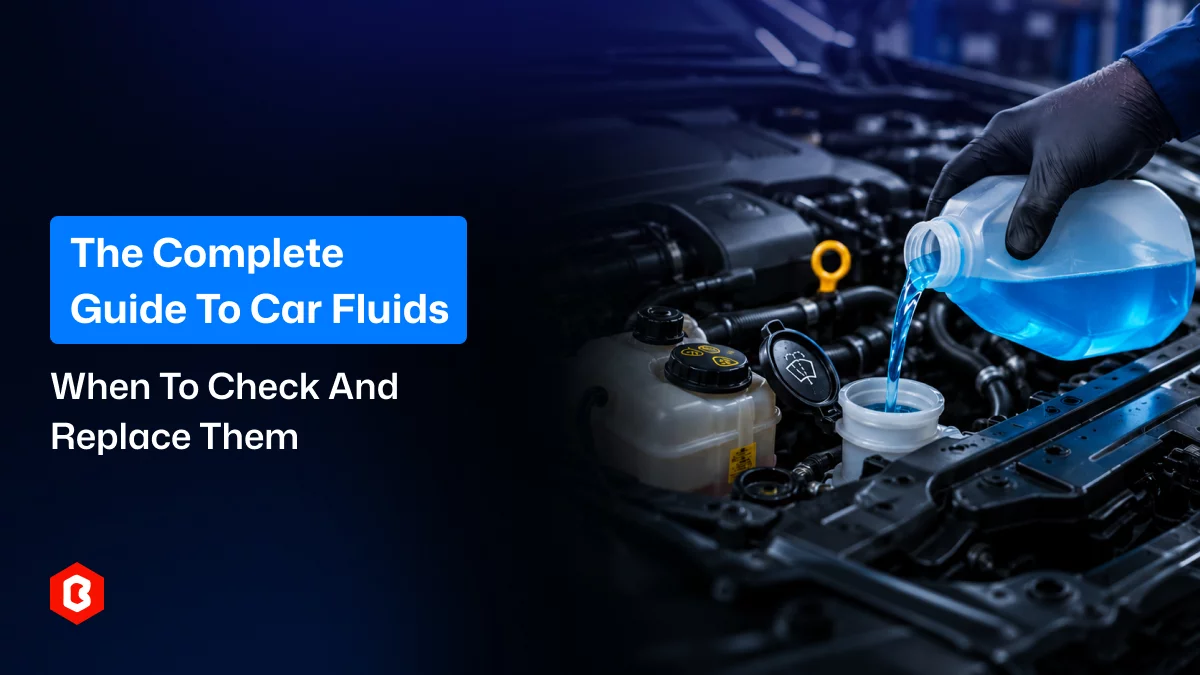
Does changing the engine oil fix the car problems? This is a common thought, especially for new car owners. They forget about the five other fluids that quietly keep a car running safely.
Nowadays, modern vehicles in petrol, diesel, and even electric variants depend on multiple fluids to function:
Make moving parts fluid
Transfer heat
Provide hydraulic pressure
Clean components
Prevent corrosion
Ignoring even one of them can result in expensive repairs. The fact is, they could have been avoided with routine maintenance.
For example, replacing brake fluid costs significantly less than repairing a damaged ABS module. Likewise, changing transmission fluid on schedule is far cheaper than rebuilding an automatic gearbox.
This guide explains every important automotive fluid, when to inspect it, how often to replace it, warning signs of contamination, and practical maintenance tips that extend your vehicle's lifespan.
Every fluid inside your vehicle performs a specific engineering function.
Some reduce friction.
Some transfer power.
Others cool vital components.
When fluids degrade, they lose their protective properties. Heat, oxidation, moisture, dirt, and microscopic metal particles slowly reduce their effectiveness.
The result isn't always immediate. Damage builds silently over thousands of kilometers before expensive failures appear.
Regular fluid maintenance helps:
Improve engine efficiency
Extend transmission life
Prevent overheating
Protect braking performance
Reduce corrosion
Increase fuel economy
Lower long-term maintenance costs
Even if you purchase a used car through a professional checklist, these elements are important to consider.
| Car Fluid | Check Interval | Typical Replacement Interval |
|---|---|---|
| Engine Oil | Monthly | 5,000-10,000 km (or manufacturer recommendation) |
| Coolant | Every month | 2-5 years |
| Brake Fluid | Every 6 months | Every 2 years |
| Transmission Fluid | Every 20,000 km | 50,000-100,000 km |
| Power Steering Fluid | Every 6 months | 80,000-100,000 km |
| Windshield Washer Fluid | Weekly | Refill as needed |
| Differential Fluid | During service | 50,000-100,000 km |
| Transfer Case Fluid (AWD/4WD) | During service | 50,000-80,000 km |
Always follow your owner's manual because intervals vary by manufacturer. Consider how many times your car is going to service maintenance.
Engine oil is the most important fluid in any vehicle.
It lubricates moving engine components, reduces friction, removes contaminants, cools internal parts, and prevents excessive wear.
Without clean engine oil, an engine can suffer severe damage within minutes.
Inspect the oil level:
Once every month
Before long road trips
After driving through extremely hot weather
If the oil warning light appears
Always check the dipstick while the engine is cool or after waiting several minutes following shutdown.
Replacement depends on:
Oil type
Driving conditions
Engine design
Typical recommendations:
Conventional oil: 5,000-7,500 km
Synthetic oil: 8,000-15,000 km
Heavy city driving: Replace earlier
Oil appears thick and black
Engine becomes noisier
Reduced fuel efficiency
Burning oil smell
Oil warning light
Rough engine operation
Coolant regulates engine temperature.
It prevents freezing during winter and protects against overheating in summer.
Modern coolant also contains corrosion inhibitors that protect the radiator, water pump, heater core, and engine block.
Inspect coolant levels by following:
Every month
Before summer
Before winter
Before long-distance travel
Never remove the radiator cap while the engine is hot.
Instead, inspect the coolant reservoir.
Most manufacturers recommend replacement every:
2 to 5 years
40,000 to 100,000 km
The interval depends on coolant chemistry.
Rising engine temperature
Sweet smell from engine bay
Rust-colored coolant
Low coolant warning
Visible coolant leaks
White residue around hoses
Ignoring coolant issues in a car can lead to blown head gaskets, warped cylinder heads, or complete engine failure.
Brake fluid transfers hydraulic pressure from the brake pedal to the braking system.
Unlike oil, brake fluid absorbs moisture over time.
This reduces braking performance and can cause internal corrosion.
Inspect it:
Every six months
During tire rotation
Before long highway trips
Fluid should remain between the MIN and MAX marks.
Most manufacturers recommend: Every 2 years or 40,000 km, whichever comes first.
Soft brake pedal
Longer stopping distance
ABS warning light
Dark-colored fluid
Moisture contamination
Brake fade during downhill driving
Brake fluid replacement is one of the most overlooked car maintenance services, yet it directly affects vehicle safety.
Transmission fluid lubricates gears, cools internal components, and enables smooth gear changes.
Automatic transmissions are especially sensitive to dirty fluid.
Inspect according to the owner's manual.
Some vehicles include a transmission dipstick.
Others require professional inspection.
General recommendation:
50,000-100,000 km
Heavy towing, stop-and-go traffic, and mountainous driving often require earlier replacement.
Delayed shifting
Gear slipping
Jerking during acceleration
Burning smell
Dark brown fluid
Transmission overheating
Transmission repairs are among the most expensive automotive repairs. Preventive fluid replacement dramatically reduces the risk.
Hydraulic steering systems rely on power steering fluid to reduce steering effort.
Low or contaminated fluid makes steering heavier and accelerates wear.
Inspect it every six months and during regular servicing.
Typically 80,000-100,000 km.
Some manufacturers specify inspection rather than scheduled replacement.
Steering becomes stiff
Whining noise while turning
Steering vibration
Fluid leaks under the vehicle
Foamy reservoir fluid
Vehicles equipped with electric power steering usually do not use this fluid.
Although it doesn't affect mechanical performance, washer fluid directly impacts visibility.
Driving with a dirty windshield significantly reduces reaction time during rain or nighttime driving.
Weekly.
Refill whenever necessary.
Use season-appropriate washer fluid instead of plain water, especially in cold climates.
Differential oil lubricates gears that allow wheels to rotate at different speeds during turns.
SUVs, trucks, rear-wheel-drive, and four-wheel-drive vehicles especially depend on healthy differential lubrication.
Generally:
50,000-100,000 km
More frequent replacement is recommended for:
Towing
Off-roading
Heavy loads
Whining noises
Grinding from axle area
Vibrations
Metal particles during servicing
The transfer case distributes power between front and rear axles.
Its fluid lubricates gears and bearings under heavy loads.
Every:
50,000-80,000 km
Vehicles frequently used for off-road driving should receive more frequent inspections.
Following a consistent inspection routine takes less than ten minutes.
Step 1: Park on level ground.
Step 2: Allow the engine to cool when checking coolant or engine oil.
Step 3: Inspect reservoirs for proper fluid levels.
Step 4: Observe fluid color. Healthy fluids generally appear clean and transparent. Dark, milky, or foamy fluids indicate contamination.
Step 5: Look underneath the vehicle. Fresh leaks are easier to repair than long-term damage.
| Fluid | Healthy Color | Problem Color |
|---|---|---|
| Engine Oil | Amber | Black, gritty |
| Coolant | Green, Orange, Pink, Blue (varies) | Brown, rusty |
| Brake Fluid | Clear to light yellow | Dark brown |
| Transmission Fluid | Bright red | Brown or black |
| Power Steering Fluid | Pink or amber | Dark brown |
| Differential Oil | Honey-colored | Black with metal particles |
Color alone isn't enough for diagnosis, but it provides a useful first indication.
Many vehicle owners unintentionally shorten fluid life.
Avoid these mistakes:
Mixing different coolant types
Overfilling engine oil
Ignoring small leaks
Using incorrect fluid specifications
Delaying fluid changes after severe driving
Assuming "lifetime fluids" never require inspection
Even fluids marketed as "lifetime" benefit from periodic condition checks, especially after high mileage.
Maintenance schedules assume normal driving.
Replace fluids sooner if you regularly drive in:
Heavy city traffic
Extremely hot climates
Dusty roads
Mountainous regions
Frequent towing conditions
Short daily trips
High-performance driving
These environments increase heat and contamination, accelerating fluid degradation.
Basic inspections are simple for most vehicle owners. But it's required to prioritize between DIY and professional car maintenance.
You can safely:
Check engine oil
Inspect coolant reservoir
Refill washer fluid
Look for leaks
Monitor fluid levels
Professional service is recommended for:
Brake fluid flushing
Transmission servicing
Differential oil replacement
Transfer case maintenance
Coolant system flushing
Improper servicing may introduce air, contamination, or incorrect fluid specifications.
Can I simply top up old fluid?
Only if the fluid remains clean and meets manufacturer specifications. If the fluid is contaminated or overdue for replacement, topping it up is only a temporary solution.
Which fluid should never run low?
Brake fluid and engine oil. Low levels can quickly lead to serious safety issues or engine damage.
Can different coolant colors be mixed?
Not necessarily. Coolant color doesn't always indicate chemical compatibility. Always use the type recommended by your vehicle manufacturer.
Is dark engine oil always bad?
Not always. Oil naturally darkens as it captures contaminants. Follow the recommended service interval and monitor oil condition rather than relying on color alone.
What happens if transmission fluid is never replaced?
Old transmission fluid loses its lubricating and cooling properties, increasing friction, overheating, and internal wear. Over time, this can lead to rough shifting or transmission failure.
Car fluids are the lifeblood of your vehicle. Each one plays a critical role in keeping major systems operating efficiently, safely, and reliably. While engine oil often receives the most attention, fluids such as coolant, brake fluid, transmission fluid, differential oil, and power steering fluid are equally important for long-term vehicle health.
The most effective maintenance strategy is simple: inspect fluid levels regularly, replace fluids according to your manufacturer's recommendations, and address leaks or contamination as soon as they appear. Spending a few minutes on routine checks can prevent costly repairs, improve performance, enhance safety, and help your vehicle deliver dependable service for many years.
 Tags
Tags  Similar Blogs
Buying a car is a significant investment for any person. The thing is, keeping it in good condition...
Buying a used car is one of the smartest ways to save money, but only if you choose the right vehicl...

Whether you own a new car or purchase a refurbished vehicle, after a certain time, you usually notic...
Owning a car is one of the biggest investments you make. You want to save money on car maintenance w...
Usually, drivers notice their car vehicles need regular service. But the issue is they’re not sure w...

Since the rainy season has arrived, car owners think they can get relief from scorching temperatures...
Related Products 


Not sure which template or UI kit fits your project? Reach out for expert advice.
 100% Satisfaction Guaranteed
  Shop with Confidence!