Buy any 1 product and get 1 absolutely free — this offer applies to all Website Templates, UI Kits, and Complete Scripts.
Buy Now! Article Information Table Of Contents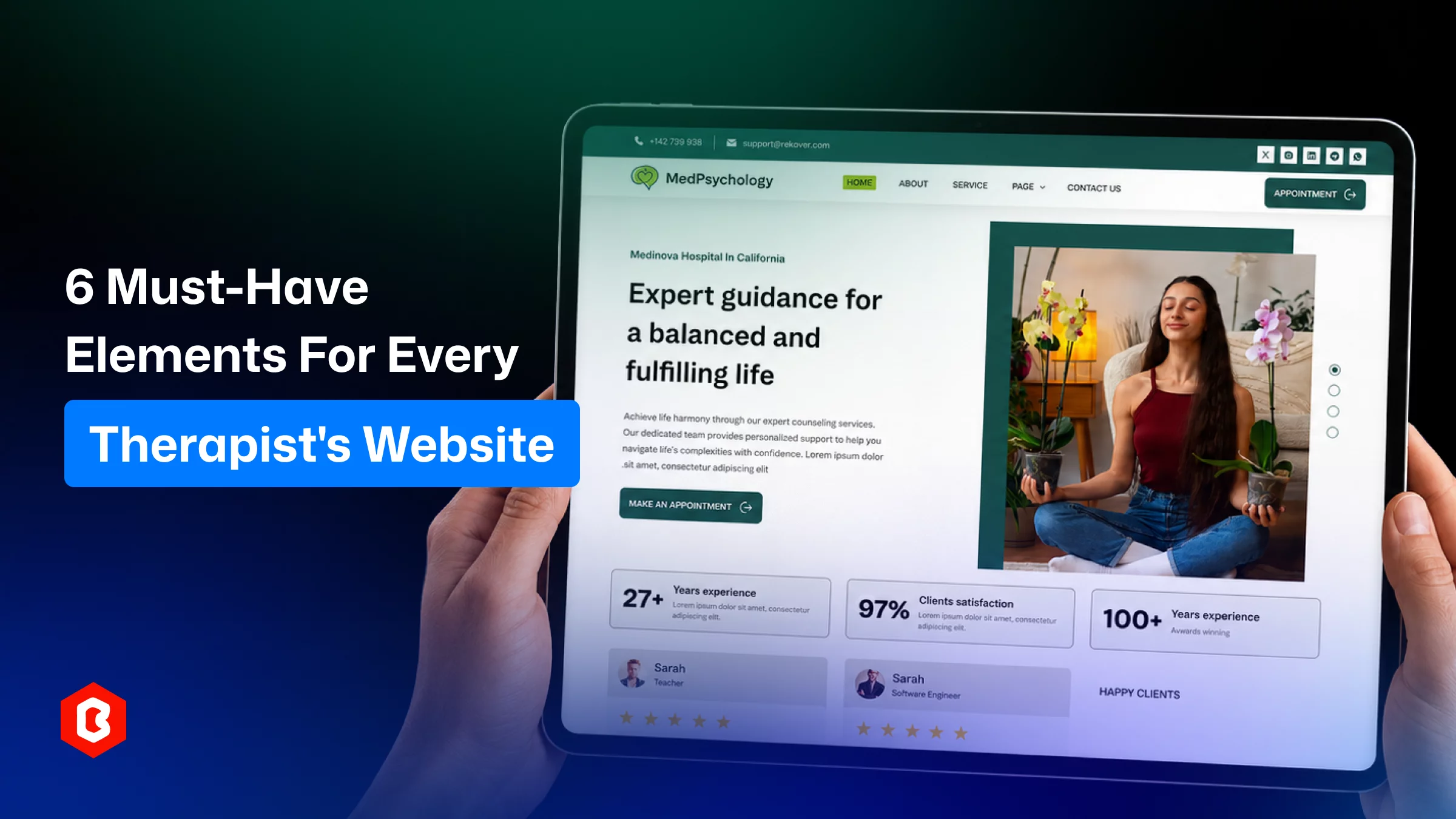
Before making contact with a therapist's website, visitors are looking for information about who the therapist is and what services are available. If everything goes well, they will book an appointment with the healthcare experts.
That makes website design for therapists more than a visual exercise to perform. For it, the website should present organized information, services, practical details, and contact options.
For therapists, clinics, and developers, choosing the right structure is equally important. A specialized therapist website template can provide a useful starting point, but its sections should be selected around the actual requirements of the practice.
Here are six essential elements that every therapist website should consider.
Visitors have to understand the therapist website within a few seconds. They can clearly see the identity and purpose of the practices being offered.
A homepage is the main aspect to communicate every detail transparently. For example, a therapist’s name or practice name, professional role, and their primary services. It is useful to mention what type of clients are served. Introduce the section for online and in-person sessions.
Book an Appointment, Contact the Practice, or Schedule a Consultation is a relevant call to action to be added.
Avoid generic statements like “Helping you live your best life.” This does not explain what service to take.
A more useful introduction explains the service in straightforward language. For example, a therapist specializing in couples counseling mentions it clearly. It’s not worth hiding it beneath broad wellness messaging.
The same principle applies throughout the website: specific information is more useful. Do not go with decorative marketing language.
Visitors are looking for an expert therapist who has experience handling their medical treatment needs. The About section on the website gives enough information.
Include details regarding qualifications, training, areas of practice, therapeutic approaches, etc. Also, the professional experience, languages, and the served patients build trust.
A photograph can make the page more personal, but it should support useful information.
A strong profile can be structured around the questions visitors are likely to have:
What qualifications do therapists have?
What specific areas do they work in?
Which clients do they serve?
What approach do they use?
Do they offer online or in-person sessions to patients?
Where is the practice located?
Physiotherapy clinics with multiple practitioners follow this structure. When every therapist has a consistent profile format, visitors can navigate it and book a consultation.
Professional information should also remain accurate and current. Adding false details will be illegal and raise issues for legal obligations.
Specific service information about a therapist makes a higher chances of conversions. General information creates confusion.
If the practice provides individual therapy or couples counseling, clearly defined. Also, it's easy to represent family therapy or other services. Every major offering should receive enough space for visitors' understanding.
A useful service section can explain:
What the service involves
Who it is intended for
How sessions are provided
What the visitor can expect from the process
How to make an inquiry or appointment
Not every practice needs a separate page for every service. The decision should depend on the different types of services and information representation.
Service pages can also provide a natural foundation for SEO.
Rather than placing every keyword on the homepage, create useful pages around services that the practice genuinely provides. This gives search engines clearer context while giving visitors more relevant information.
For example, online couples counseling can have a dedicated page explaining that service. Do not repeat the same phrase throughout unrelated pages.
The appointment booking process is a key engine of a therapist website. It’s a final step between research and becoming a client.
When presenting the flow or demo of how to book the appointment, it’s make sense. After all, some therapists are only available for online appointment scheduling. Others attend only to phone inquiries, email communication, or an initial consultation.
There is no single booking method that fits every practice.
The important requirement is that the website accurately represents the process.
A contact form should request information required for its purpose.
Ask for basic information, including a name, contact method, and a short message.
As per W3C guidance, labeling on the form and instructions keep users informed.
For therapist websites, this is particularly important because information sharing is sensitive. If a website needs to collect detailed health or clinical information, the practice should ensure that the chosen technology and workflow are appropriate for that purpose.
On clicking the submit inquiry button, then a website has to explain what happens next. This removes confusion.
Once the request is received, the simple confirmation message can tell the visitors the response is accepted. The website should avoid promising response times that the practice cannot reliably maintain.
A common logistical question that visitors ask before they make a call or email:
Depending on the practice, useful information may include:
Practice location
Online or in-person session availability
Appointment types
Session format
Fees or payment information, if published
Insurance information, where applicable
Cancellation policies
General contact information
Accessibility information
Directions or location details
This information does not need to overwhelm the homepage. It can be distributed across dedicated Appointment, FAQ, Contact, and Services pages.
A simple structure for website information might look like this:
Homepage: Practice overview and primary action
About: Therapist credentials and professional background
Services: Detailed information about available services
Appointments: Booking or inquiry process
FAQ: Common practical questions
Contact: Location and communication details
This approach prevents individual pages from becoming overloaded while making important information easier to locate.
For best website design for therapists, navigation should feel predictable. Visitors should not have to guess where appointment information or practitioner details are located.
The website should work for the practice today without making future changes unnecessarily difficult.
A solo therapist may eventually introduce additional services. A clinic may add practitioners. A practice may also want to publish educational resources, introduce new appointment types, or integrate third-party tools.
This is why the underlying template or frontend framework matters when selecting a therapist website template.
Before choosing a template, check:
Available page layouts
HTML and CSS structure
JavaScript implementation
Component or section reusability
Documentation
Customization requirements
Appointment-related interfaces
Practitioner profile sections
Blog or resource layouts
Contact forms
Ability to add future pages
This one example is designed around this type of practice. Its product page lists pages and sections including Home, About, appointments, appointment types, Contact, Blog, and Testimonials. It is supplied as an HTML5 and Tailwind CSS frontend template with CSS, JavaScript, documentation, and related files.

For developers, one important distinction is that the product is a front-end template, not a complete back-end therapy-management platform. For appointment processing, database management, and authentication, back-end development is required.
Choosing the right design should start with the practice’s requirements.
Before selecting a template or beginning development, identify:
Services: What does the practice actually provide?
Audience: Who needs to understand those services?
Workflow: How does a prospective client make contact?
Content: What professional and educational information needs to be published?
Growth: Could the practice add services or practitioners later?
Technology: Based on the practice, what front-end and back-end capabilities will the project require?
This process makes a difference: a simple template and a website development foundation.
The best website design for therapists should reduce uncertainty, and it avoids add visual complexity.
A therapist website should help visitors answer practical questions. After that, they decide whether to contact the practice. Following those six elements will help to get more appointments. Using the template is the smart choice, and with back-end support, the site is going to live.
The opening section should identify the practice, explain its primary service, establish relevance, and provide one clear next action.
Only when the service requires distinct information or serves a different search and visitor intent; otherwise, grouped sections can work.
Include relevant qualifications, professional experience, practice areas, therapeutic approach, client groups, and other accurate professional information.
No. Booking should reflect the practice’s real workflow, whether that involves scheduling software, consultation requests, phone calls, or another method.
Collect only information needed for the intended inquiry and use an appropriate system if visitors need to provide sensitive personal or clinical information.
 Similar Blogs
Today everything seems to be online whether it's an eCommerce store or a stock broker mobile app. Bu...
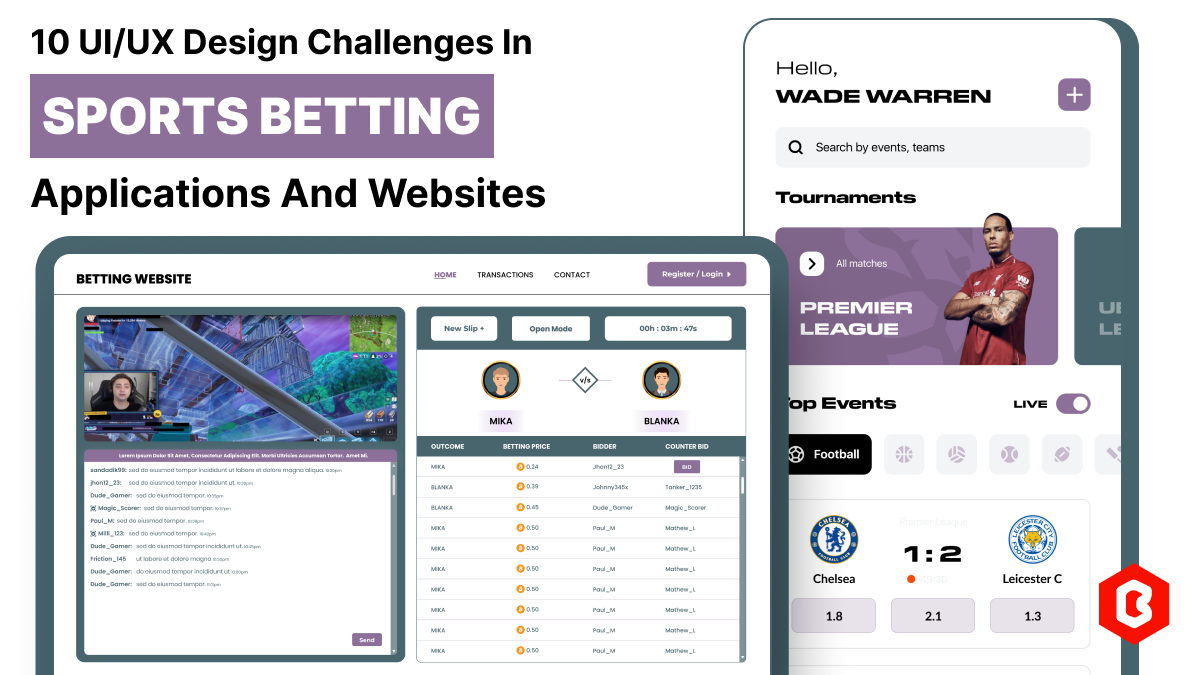
In 2023, the worldwide online betting and lottery market size reached $242.04 Billion. To capture a...

Nowadays, every business is operating from an online website which is called a virtual shop. From eC...
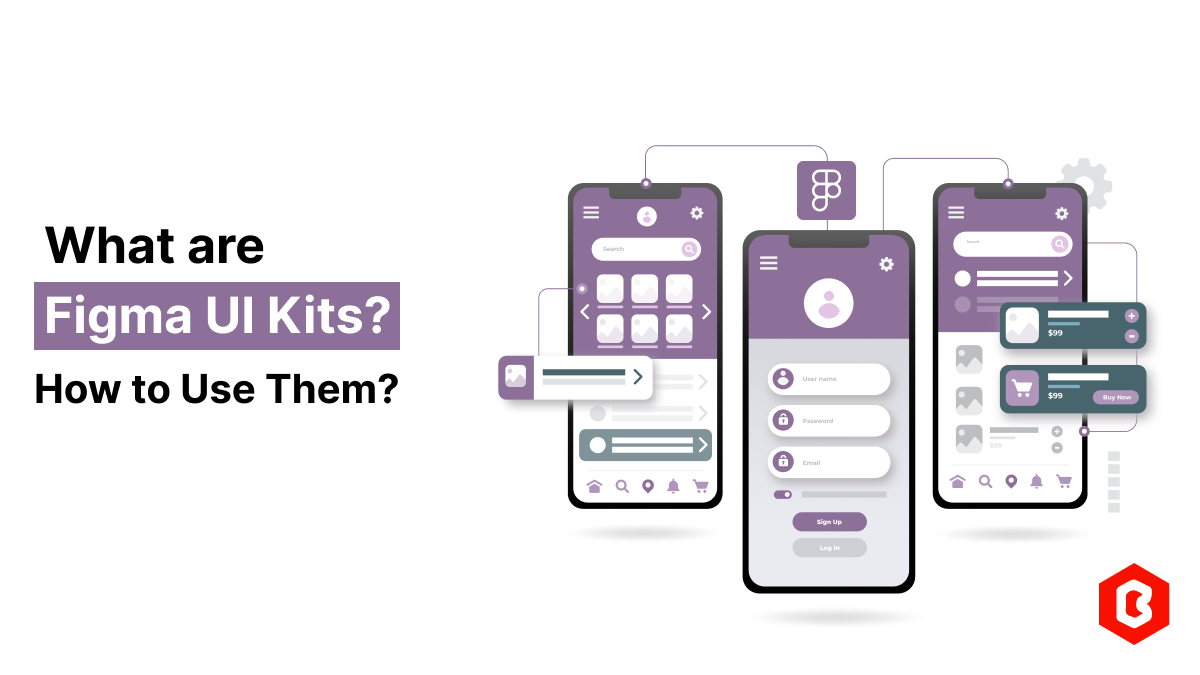
Figma UI Kits are pre-designed sets of UI components, styles, and templates that can be used to spee...

Software with a well-designed user interface (UI) can significantly enhance user experience, increas...

The online sports betting industry is one of the most rapidly evolving industries right now. It is w...

Not sure which template or UI kit fits your project? Reach out for expert advice.
 100% Satisfaction Guaranteed
  Shop with Confidence!
 Tags
Tags