Buy any 1 product and get 1 absolutely free — this offer applies to all Website Templates, UI Kits, and Complete Scripts.
Buy Now! Article Information Table Of Contents
What to choose between a website and a mobile app is an important early decision for many startups. Both help businesses reach customers and build an online presence, but they serve different purposes. Websites are easier to launch and accessible through any browser, while mobile apps are better for mobile-focused experiences. The right choice depends on the startup’s goals, budget, target audience, and service type. This article explores when building a mobile app makes more sense than relying only on a website.
Some businesses build solutions that users open many times throughout the day. An app can provide faster and easier access in this case.
Below are some examples:
Food delivery services
Fitness tracking platforms
Ride-sharing services
Messaging or social apps
Users often prefer quick access to services without opening a browser every time.
Since mobile apps remain installed on the phone, they reduce the number of steps needed to access the platform. This convenience can improve both user engagement and experience.
Startups that expect users to interact daily can invest in mobile app development for a smoother and more satisfactory user experience.
At the same time, a website built through web development can be helpful in marketing efforts. Businesses can share important information about their services on websites.
Push notifications offer the most reliable way to keep users engaged on digital platforms.
They allow businesses to send real-time updates directly to a user’s device. These notifications can include things like:
Order updates
Special offers
New product announcements
Activity reminders
Mobile apps support notifications much more reliably than websites. Although browser notifications do exist, they are used less often, and users can easily ignore or disable them.
For businesses that depend on regular communication with customers, mobile app development offers better opportunities to keep users engaged.
At the same time, many startups still maintain a website built through website development to handle customer onboarding and share public information about their services.
Some digital services depend heavily on smartphone capabilities. These features can include GPS, camera access, biometric authentication, and various device sensors.
A mobile app can easily integrate with these capabilities, allowing the platform to deliver a smoother and more interactive user experience.
Examples:
Service Type | Feature Used |
Delivery apps | GPS location tracking |
Fitness apps | Motion sensors |
Payment apps | Biometric authentication |
Photo services | Camera integration |
When these features are a core part of the service, mobile app development usually delivers better performance.
Although modern web development technologies can access some device features, mobile apps still provide deeper integration and more reliable functionality.
Some services need to work even when the internet connection is weak or temporarily unavailable.
Mobile apps can store certain data on the device, allowing users to continue using the platform offline. Once the device reconnects to the internet, the app can automatically sync the data in the background.
This feature is especially helpful for:
Travel planning apps
Learning platforms
Note-taking tools
Productivity applications
Websites usually need a constant internet connection to function properly.
When offline access is an important part of the product experience, choosing mobile app development may be the better option.
At the same time, website development can still support the platform by providing tutorials, documentation, and promotional content.
User retention is important for every startup. When it is easy for users to return to a platform, the chances of long-term engagement become much higher.
Mobile apps help support user retention in several ways:
The app icon remains visible on the user's device.
Login sessions can remain active for longer periods.
Notifications encourage users to return.
Personalized experiences improve convenience.
These advantages help startups build stronger and more lasting relationships with their users.
Because of this, many businesses choose to invest in mobile app development when long-term user engagement is a key goal.
At the same time, web development plays an important role in attracting new visitors through search engines and marketing campaigns.
Some startup ideas are naturally better suited for mobile environments.
These platforms often require quick interactions, personalized dashboards, and real-time communication to deliver a smooth user experience.
Common examples:
Social networking platforms
Dating applications
Gaming platforms
Digital wallets
In these situations, the main user experience works best within a mobile application.
Startups developing these kinds of products often begin with mobile app development so they can deliver the core features more effectively.
Even so, website development remains important for explaining the product and helping potential users understand how the service works.
User behavior should always guide technology decisions.
If research shows that most potential users mainly use smartphones rather than desktop devices, launching a mobile app may offer better accessibility and convenience.
A simple comparison can help illustrate this:
Easy to access through browsers
Helpful for marketing and discovery
Works across all devices
Faster user access
Better personalization
Stronger engagement tools
When most users access a platform through mobile devices, mobile app development can significantly enhance the overall product experience.
At the same time, a well-designed website built through web development helps businesses reach new audiences and provide essential information about their services.
Developing an app requires more resources compared to launching a website.
Mobile platforms require continuous updates, testing across devices, and compatibility with operating system changes.
Because of this, many startups begin with a website before expanding to mobile platforms.
Below is a simple development path:
Step 1: Start with website development to build an online presence.
Step 2: Validate the product idea and attract early users.
Step 3: Invest in mobile app development once demand increases.
This approach helps startups manage costs and prepare for future growth as well.
For many successful startups, the best approach isn’t picking one platform over the other. Instead, they use the strengths of both.
A website helps businesses reach new audiences through search engines, online ads, and content marketing.
A mobile app offers a faster, more personalized experience for regular users.
By combining solid web development with a well-designed mobile platform, startups can create a complete and seamless digital ecosystem.
What to choose, either a website or an app, is a key decision for any startup. The best option depends on how users engage with the product and which features are needed. Mobile apps work well when frequent use, device integration, offline access, or push notifications are important. Websites remain valuable for accessibility, search visibility, and sharing public information. Understanding these differences helps startups know when to invest in an app versus starting with a website.
 Similar Blogs
Today everything seems to be online whether it's an eCommerce store or a stock broker mobile app. Bu...
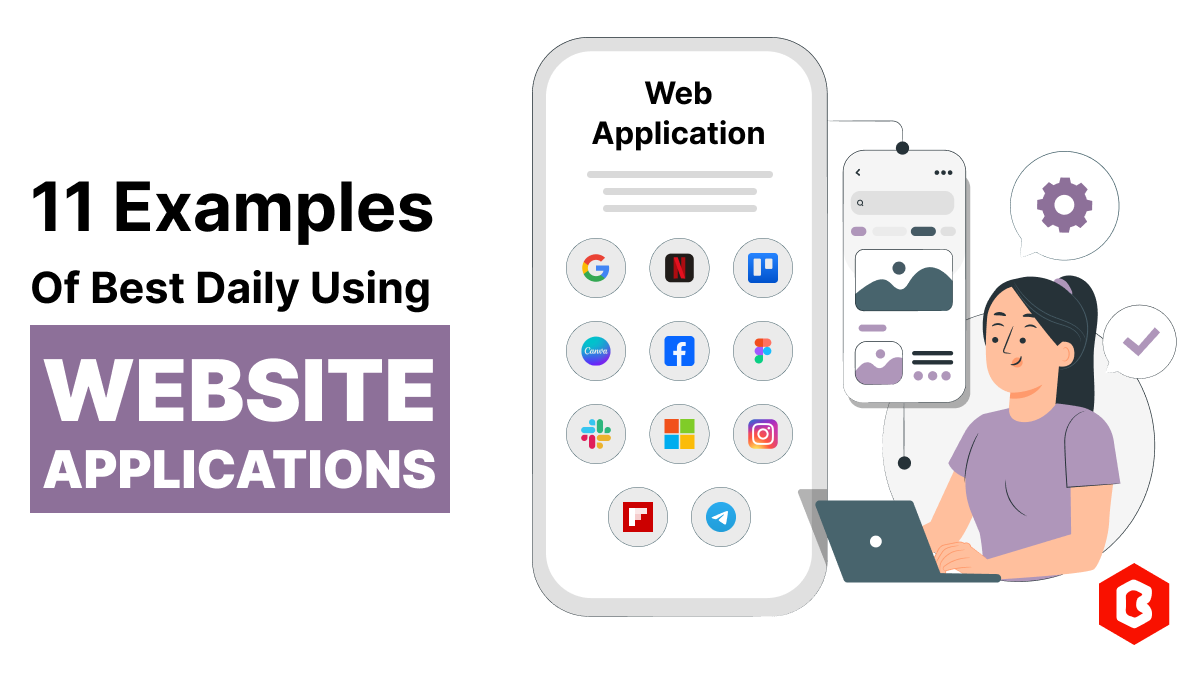
In today's world, web applications are controlling the business arena. Whether it's an eCommerce web...
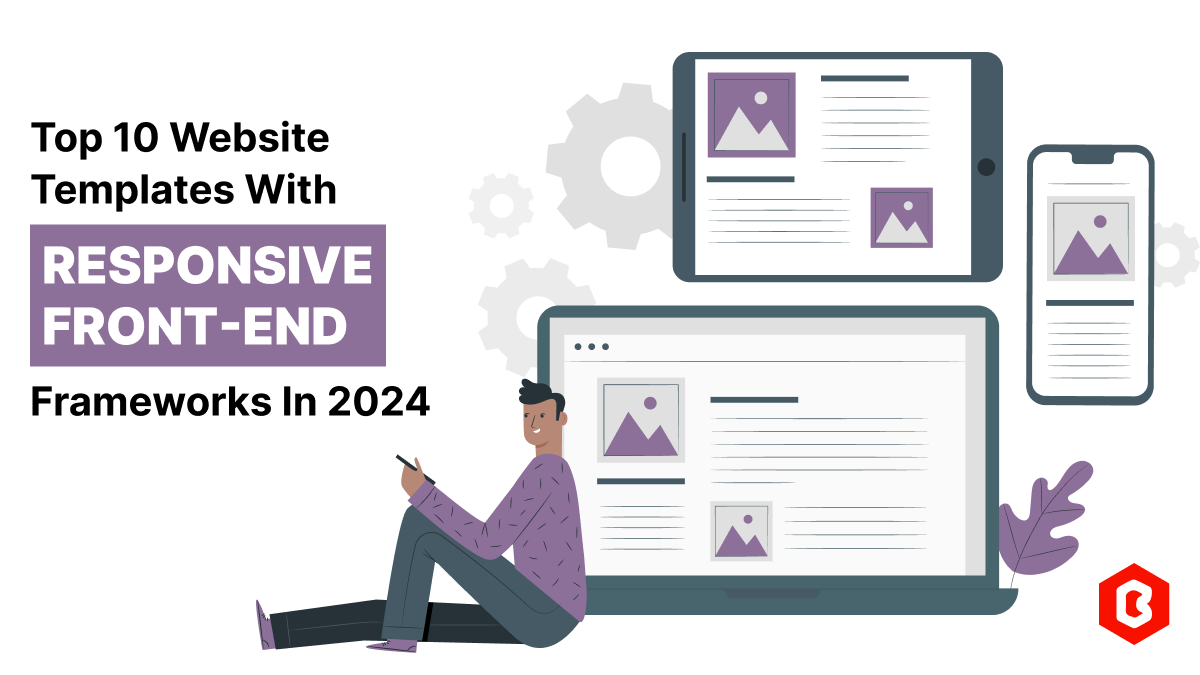
When the world is going online, having a responsive website that works flawlessly across all devices...

Flutter is Google's open-source framework, which has revolutionized mobile app development. Its abil...
User Interface (UI) design is the backbone of a mobile application. UI design for mobile apps can be...
Mobile apps have become an important part of our lives in this digital world. According to the most...

Not sure which template or UI kit fits your project? Reach out for expert advice.
 100% Satisfaction Guaranteed
  Shop with Confidence!
 Tags
Tags