Buy any 1 product and get 1 absolutely free — this offer applies to all Website Templates, UI Kits, and Complete Scripts.
Buy Now! Article Information Table Of Contents
A few years ago, having a “good-looking” website felt like a big win. Clean layout, nice colors, maybe a modern font, and you were ahead of many competitors. But things have changed. A lot.
Today, almost every business has a decent-looking website. Templates are everywhere. Tools are easier. Even beginners can build something that looks professional. So now the question is different.
It’s not just: Does your website look good?
It’s more like: Does your website actually work for your users?
And honestly, that’s where many websites still fall short.
Let’s start with a simple truth. Users have more choices than ever.
If someone lands on your site and doesn’t feel comfortable within a few seconds, they leave. No second thought. No patience.
You might notice this in your own behavior, too. When a site feels slow, confusing, or slightly off, you just close it.
That’s the new standard.
A “good web UI design” used to mean:
Clean layout
Matching colors
Proper spacing
Now, that’s just the starting point.
A website can look beautiful and still feel frustrating. That’s the difference between design and experience.
Imagine this:
You visit a website that looks amazing. Smooth animations, modern layout, everything polished. But then:
It takes too long to load
You can’t find the pricing
The menu is confusing
You leave.
Now compare that to a simpler website:
Loads fast
Clear navigation
Easy to understand
You stay longer.
So in a way, users are not judging your design. They’re judging how easy you make things for them.
People are impatient online. Very impatient. Even a delay of a few seconds can make users drop off.
Think about it:
If a page takes too long, it feels broken
If images load slowly, it looks unprofessional
If buttons lag, it feels unreliable
Good design without speed is like a beautiful shop with a locked door. You might impress people visually, but they can’t get inside.
Most users are browsing on their phones. This is not a trend anymore. It’s the default. A website that looks great on desktop but feels awkward on mobile, that’s a problem.
Here’s what often goes wrong:
Text too small to read
Buttons too close together
Images not fitting properly
Menus hard to open
Even if your desktop design is perfect, a poor mobile experience can ruin everything. You don’t just need a responsive design. You need a comfortable mobile experience.
Sometimes designers focus too much on how things look and forget what actually matters: the message.
Users don’t come to your website to admire design. They come to:
Get information
Solve a problem
Make a decision
If your content is unclear, even the best design won’t help.
For example:
Instead of writing something vague like:
“Empowering innovative digital transformation solutions.”
Try something simple:
“We help you build fast and easy websites for your business.”
Clear always wins.
People are more careful online than before. They don’t trust websites easily. And honestly, that makes sense. So your website needs to be trustworthy.
A “good design” alone doesn’t do that anymore.
What actually helps:
Real testimonials
Clear contact information
Secure payment signs
Honest descriptions
Even small details matter. If something feels off, users hesitate. And once hesitation comes in, conversions drop.
You shouldn’t make users think too much. That’s one of the biggest shifts. Earlier, creative navigation styles were popular. Hidden menus, unique layouts, experimental ideas. Now, simplicity works better.
Users expect:
Clear menu items
Easy-to-find pages
Logical structure
If someone has to figure out your website, you’re already losing them. A good rule? If a user can’t find what they want in 2–3 clicks, something needs fixing.
At the end of the day, your website has a job. It’s not just there to look nice.
It should:
Generate leads
Sell products
Get signups
Build connections
And for that, design alone isn’t enough.
You need:
Clear call-to-action buttons
Smart page flow
Strong headlines
Proper content structure
Let’s take a simple example. A beautiful homepage without a clear “Get Started” button will confuse users. But a simple page with a clear next step? That works better.
Users expect websites to feel relevant. Not necessarily complex personalization, but at least some level of connection.
For example:
Showing relevant services
Using relatable language
Speaking directly to a target audience
A generic design that tries to please everyone often connects with no one. You don’t need to impress everyone. You need to speak clearly to the right people.
Sometimes a website looks great on the homepage, but the rest feels disconnected. Different styles. Different tone. Different layout. That breaks the experience. Users expect consistency.
Things like:
Same font style
Same button design
Similar spacing
Matching tone
It helps users feel comfortable. And comfort leads to trust.
More people are paying attention to accessibility now. That means making your website usable for everyone, including people with disabilities.
This includes:
Proper color contrast
Readable text sizes
Keyboard navigation
Clear structure
It’s not just a “nice thing” anymore. It’s becoming a basic expectation. And honestly, it improves usability for everyone.
A good-looking website that no one can find doesn’t help much.
Search engines now look at:
Page speed
Mobile experience
Content quality
Structure
So design and SEO are not separate anymore. If your website is heavy, slow, or poorly structured, it won’t rank well. And if it doesn’t rank, users won’t even reach your design.
This is something many people overlook. Tiny things can change how users feel.
For example:
Button hover effects
Smooth scrolling
Micro animations
Loading feedback
These details don’t scream for attention, but they quietly improve the experience. Users might not notice them directly, but they feel the difference.
So, What Actually Matters Now? Let’s simplify everything. A modern website needs more than just good design.
It should feel fast, clear, easy, trustworthy, and useful. You can think of it like this. Good design attracts users. But good experience keeps them there.
If you’re building or improving a website, ask yourself:
Can someone understand what I offer in 5 seconds?
Is it easy to navigate without thinking?
Does it load quickly on mobile?
Is there a clear next step for users?
Does it feel trustworthy?
If the answer is “no” to even a few of these, design alone won’t fix it.
“Good website design” is no longer a competitive advantage. It’s the baseline. What really sets websites apart now is how they work for users. The smoother the experience, the better the results. And honestly, users don’t care how much effort you put into design. They care about how easy you make things for them.
So instead of asking, “Does my website look good?”
A better question might be:
“Does my website actually help people do what they came here to do?”
That small shift in thinking can change everything.
 Similar Blogs
In web development, choosing the right CSS framework can make a significant difference in the succes...
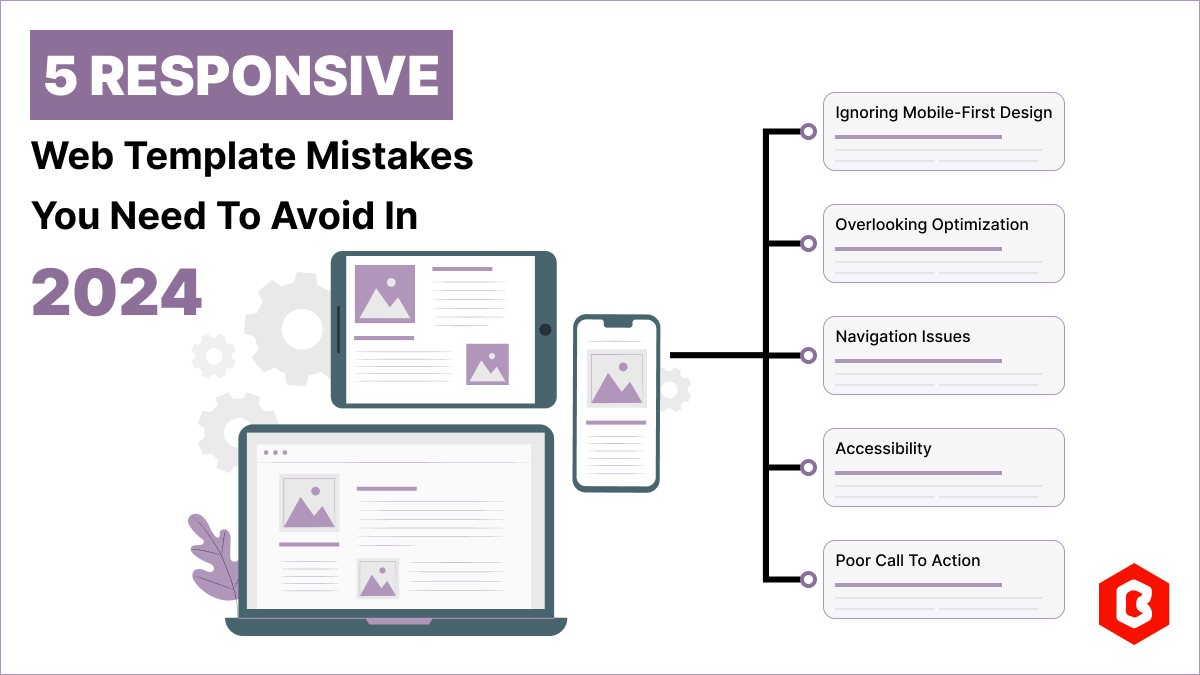
Having a responsive web template can help you succeed and keep your business ahead of the competitio...
Nowadays, every business is operating from an online website which is called a virtual shop. From eC...

In today's digital age, having a strong online presence is no longer a luxury for local businesses -...

Only on Google, every second approximately 99K searches are conducted. Daily this number reaches 8.5...
Having a website has become necessary for all sizes of businesses in this digital world. Whether you...

Not sure which template or UI kit fits your project? Reach out for expert advice.
 100% Satisfaction Guaranteed
  Shop with Confidence!
 Tags
Tags