Buy any 1 product and get 1 absolutely free — this offer applies to all Website Templates, UI Kits, and Complete Scripts.
Buy Now! Article Information Table Of Contents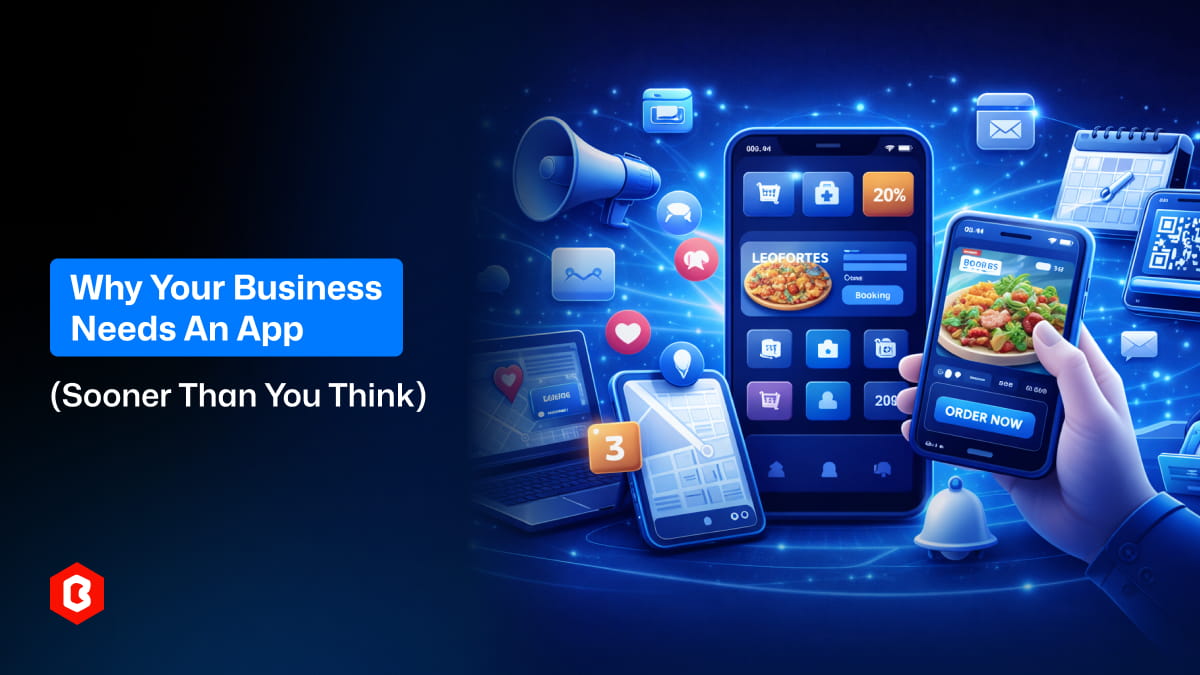
Most businesses today have a website. Some have social media. A few are doing ads. But still, something feels missing. Customers visit, maybe check a few things, and then disappear. And the reason is not always your product or service. Sometimes, it’s just the way people prefer to interact now. People are on apps. All the time.
This indicates that the time has come to build your business app. In this article, we will explore why your business quickly needs an app.
Think about your own phone for a second. How often do you open a browser and type a website? Now compare that to how often you open apps. Instagram. WhatsApp. YouTube. Shopping apps. It’s not even close. This shift is real.
So if your business is only on a website, you’re kind of missing where users are actually spending their time. This gap matters more than it looks.
Websites are passive. People visit them when they need something. On the other hand, apps are different. They stay on the user’s phone.
Below are the benefits of having a mobile app for your business:
Your brand is always visible
Users can open your app anytime
You’re just one tap away
Interacting through an app feels more direct, almost like your business is “with them” instead of somewhere on the internet.
This is one of the biggest advantages of having a mobile app for your business. With a website, you can’t really reach users directly unless they come back.
A mobile app has the capability of sending push notifications. Below are some sample messages:
“New offer available”
“Your order is ready”
“Limited-time discount”
Most app users see such push notifications instantly. Of course, you shouldn’t overdo it. But when used properly, notifications bring users back. This happens more often than expected.
Apps are built for mobile devices (generally, smartphones). So they feel smoother compared to websites. No constant loading. No browser issues. Therefore, everything feels quicker.
A mobile app outperforms a website in the following aspects:
Easy navigation
Faster checkout
Saved preferences
Personalized content
When something feels easy, people use it more. And when they use it more, there are high chances of them making more purchases.
This is something people don’t always notice. But apps can still work, at least partially, even with slow internet.
Websites usually don’t work with slow internet. If your customer has a weak connection:
A website might not load
Pages might break
They leave
This happens regularly, especially in areas with unstable networks. An app can handle such situations better. And that improves the overall user experience.
When someone installs your app, it’s a small commitment. They’re saying, “Okay, I might use this again”. That’s different from visiting a website once.
An app helps you:
Build habits
Stay in the user’s mind
Create repeat customers
Over time, this turns into loyalty. And loyal customers are easier to convert.
Think about an e-commerce app.
A user opens it:
Their details are already saved
Payment methods are stored
Order history is visible
So buying again is super easy.
Now, compare that to a website where they have to:
Log in again
Enter details
Go through the steps
Small difference, but it affects behavior a lot. Users prefer the easier option.
Apps give you more flexibility. You can add features that are hard to do on websites.
Below are some examples:
GPS tracking
In-app chat
Personalized dashboards
Offline access
QR scanning
These features improve usability. And they make your business feel more advanced.
Let’s be real. If you’re not thinking about building an app, someone else in your industry probably is.
And once they launch:
They get more engagement
They retain users better
They build stronger connections
This happens a lot in competitive markets. So it’s not just about growth. It’s also about staying relevant.
A few years ago, building an app was a big investment. Now, things are different.
There are:
Ready-made app templates
Cross-platform frameworks
Faster development tools
So you don’t always need a huge budget. You can start small. Test things. Improve over time.
Apart from that, there are third-party mobile app development services that can help you build a professional app for your business.
Let’s say you run a restaurant.
With just a website:
Customers check the menu
Maybe call to order
Or visit in person
Now, imagine you have an app.
Customers can:
Browse the menu easily
Order directly
Track their order
Get offers
Plus, you can send notifications like: “20% off on your next order today.”
Such notifications can bring them back. Also, this kind of repetitive action happens a lot with apps.
Not every business needs an app immediately. But many do sooner than they think. Below are some important parameters to consider whether you need an app or not:
If you have repeat customers
If you sell products or services regularly
If you want better customer engagement
If you plan to grow
If your business depends on ongoing interaction, an app can really help.
You don’t need a complex app on day one.
Start with basic features:
Product or service listing
Simple checkout or booking
Notifications
User accounts
Then improve based on feedback. Apps are flexible. You can update them anytime.
A website is still important. No doubt. But relying only on a website today feels a bit limited. People want speed, convenience, and quick access. Apps provide the same. And ignoring this shift? This happens more often than expected, and businesses feel it later.
So you don’t have to rush. But it’s worth thinking about now. Because by the time it feels “necessary,” you might already be a step behind.
 Similar Blogs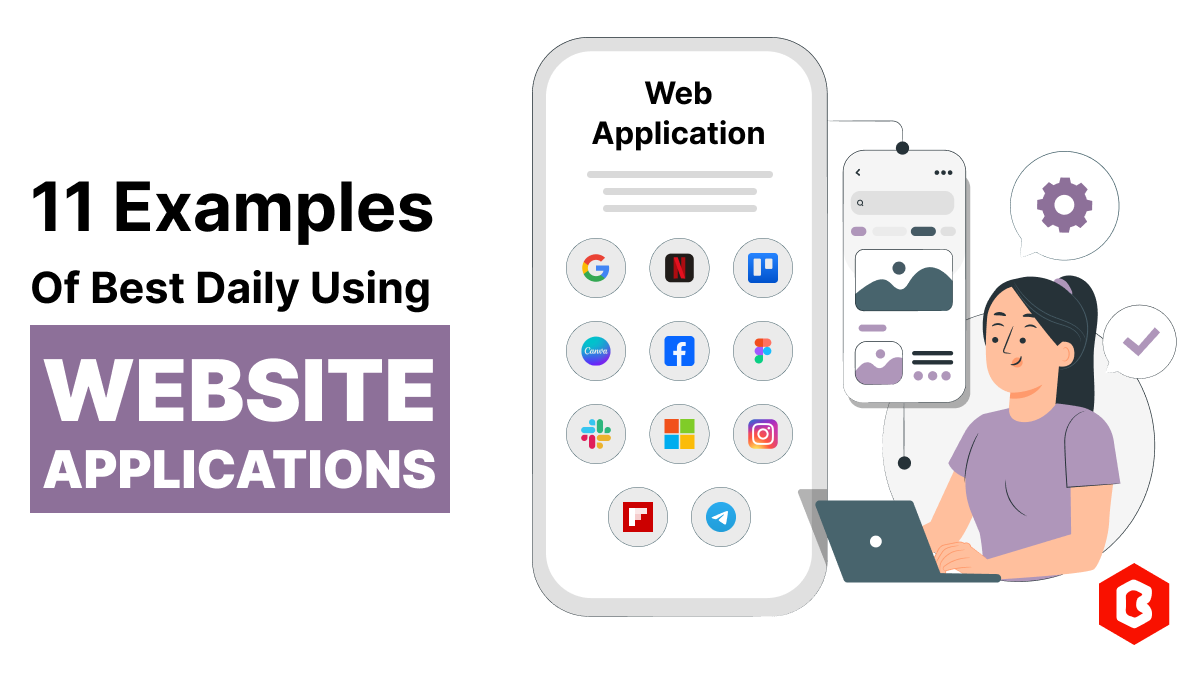
In today's world, web applications are controlling the business arena. Whether it's an eCommerce web...
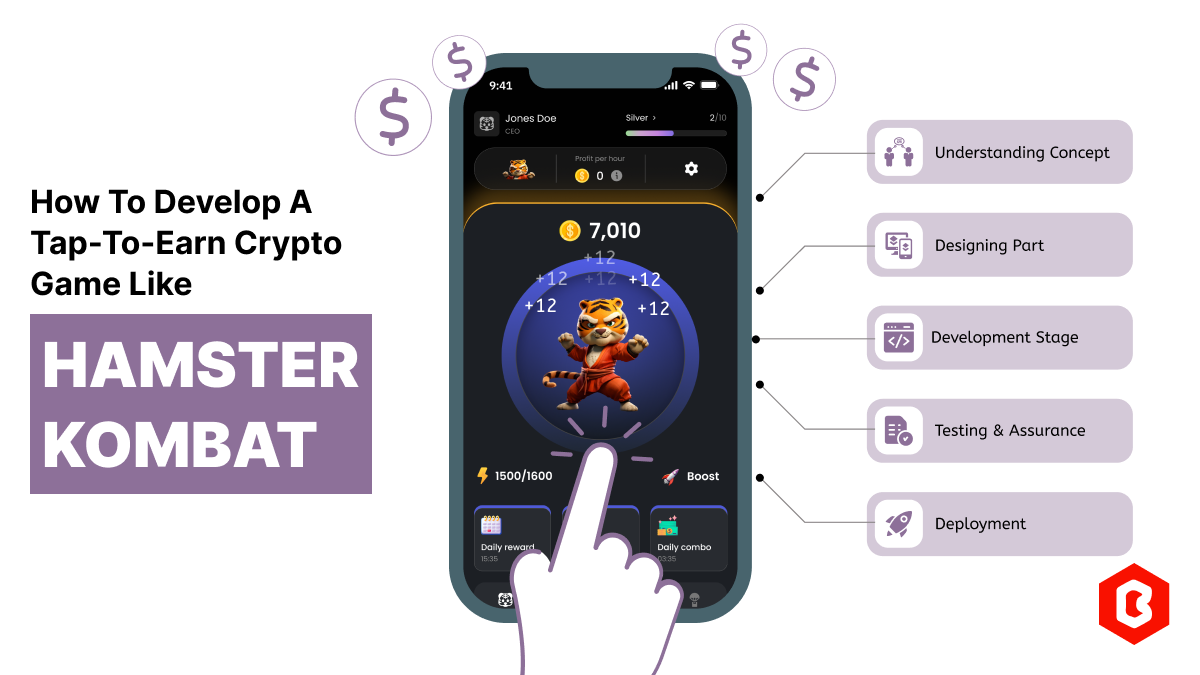
Hamster Kombat is a tap-to-earn crypto game where players are designated as virtual CEO. In developi...
Online Sports betting apps are considered as the source of earning passive income but with that, the...
Nowadays, online sports betting apps are emerging as a healthy income source for bettors. All thanks...
In today's digital age, businesses are transforming and managing their entire workflow through softw...

Flutter is Google's open-source framework, which has revolutionized mobile app development. Its abil...

Not sure which template or UI kit fits your project? Reach out for expert advice.
 100% Satisfaction Guaranteed
  Shop with Confidence!
 Tags
Tags