Buy any 1 product and get 1 absolutely free — this offer applies to all Website Templates, UI Kits, and Complete Scripts.
Buy Now! Article Information
Website templates were once viewed as quick solutions with limited flexibility and repetitive design. As web technologies advanced, many assumed templates would not be ideal for modern requirements. However, they have adapted over time. Modern website templates are better structured, easier to customize, and built to support real project needs. So, they are no longer a shortcut. Instead, they are a practical choice for modern websites.
Older website templates were quite rigid. Designers often had to deal with fixed layouts, very limited color options, and outdated code structures. Trying to customize them usually caused more problems than improvements. Because of this experience, templates slowly earned a reputation for being restrictive and hard to work with.
Modern templates function in a very different way. Most are now built with modular systems, responsive layouts, and cleaner code. They are meant to work smoothly across devices and browsers, while also following today’s accessibility and performance standards. Rather than locking designers into one layout, many templates offer flexible sections, reusable components, and multiple layout options.
In real-world use, this changes how templates are viewed. A template is no longer treated as a finished website. Instead, it acts as a well-structured starting point that can be adapted to fit specific business goals or design requirements.
One reason templates continue to matter is efficiency. Designing a website from the ground up takes a lot of time. It requires research, wireframes, visual decisions, development work, testing, and ongoing refinement. For large organizations with complex needs, that level of investment is reasonable. For small businesses, startups, or individual creators, it often isn’t practical.
Templates shorten the path from idea to launch. Key layout choices, spacing rules, and responsive behavior are already in place. This allows designers and developers to spend more time on content, branding, and functionality instead of rebuilding familiar elements like navigation bars or footers from scratch.
That efficiency naturally leads to lower costs. When a solid template is used, teams can direct their budget toward custom features, third-party integrations, or performance improvements rather than spending it on basic layout and structure.
A common concern is that templates limit creativity. This idea usually comes from seeing poorly customized template websites that feel generic or unfinished. In most of these cases, the problem isn’t the template itself, but the way it has been used.
A modern template doesn’t decide the final design on its own. Choices around typography, color systems, imagery, spacing, and content structure still need careful thought. When handled well, a template supports good design instead of replacing the designer’s role.
Many professional designers now treat templates as internal frameworks. They adjust layouts, remove sections that aren’t needed, and rebuild visual elements while keeping the core structure intact. The end result looks custom, but it benefits from a foundation that has already been tested and refined.
Another reason templates continue to hold value is consistency. Well-designed templates are built around familiar usability patterns. Navigation placement, content hierarchy, and interaction behaviors usually follow conventions that users already recognize.
This sense of familiarity lowers friction. Visitors don’t have to figure out how a website works before they can use it. Pages behave in predictable ways, forms respond as expected, and content is easier to scan. From a user experience point of view, this kind of consistency is a clear advantage, not a drawback.
Modern web design places more emphasis on clarity than on novelty. When created with care, templates support this approach by reinforcing proven usability practices rather than distracting from them.
Mobile responsiveness is no longer optional. Websites are expected to work smoothly on phones, tablets, laptops, and large screens. Building and testing these behaviors from the ground up can be complicated and time-consuming.
Most modern templates are designed using mobile-first or fully responsive design. Breakpoints, flexible grids, and scalable components are already in place and tested. This helps reduce the risk of layout problems across different screen sizes.
Rather than treating responsiveness as something to add later, many templates build it into the core structure. This approach is especially useful for teams that don’t have deep front-end development resources available.
Templates today are no longer just static HTML files. Many are built for modern frameworks like React, Vue, Next.js, or popular content management systems. Some are even designed to integrate with design tools like Figma, making collaboration between designers and developers much smoother.
This kind of compatibility keeps templates relevant in advanced workflows. A template can act as a design reference, a development starting point, or both. It fits seamlessly into existing pipelines instead of forcing teams to change the way they work.
In this light, templates act less like finished products and more like adaptable systems that can evolve with a project’s needs.
Not for highly specialized projects: Templates may fall short for complex web applications or platforms that need unique functionality and interactions.
Strict brand requirements: Brands with precise visual identities might need fully custom designs that templates cannot fully accommodate.
Use in prototyping: Even when not used in the final product, templates can help create internal prototypes or test early-stage concepts quickly.
Assess project scope first: The decision to use a template should depend on the project’s goals and requirements, not on a blanket rejection of templates.
Tools depend on use: Templates are tools, and their value is determined by how thoughtfully and appropriately they are applied.
Website templates still matter because they fit how websites are actually built today. They save time, reduce cost, and offer a reliable structure without blocking customization. When selected with care and adapted thoughtfully, templates support modern design instead of replacing creativity. Their usefulness depends on the project’s goals, brand needs, and how deliberately the template is applied in real-world daily practice.
 Similar Blogs
UI/UX. User interface and Use experience are the two important things we can consider in today’s web...

Picking the perfect style for your website is a major decision, especially in the vast scope of web...
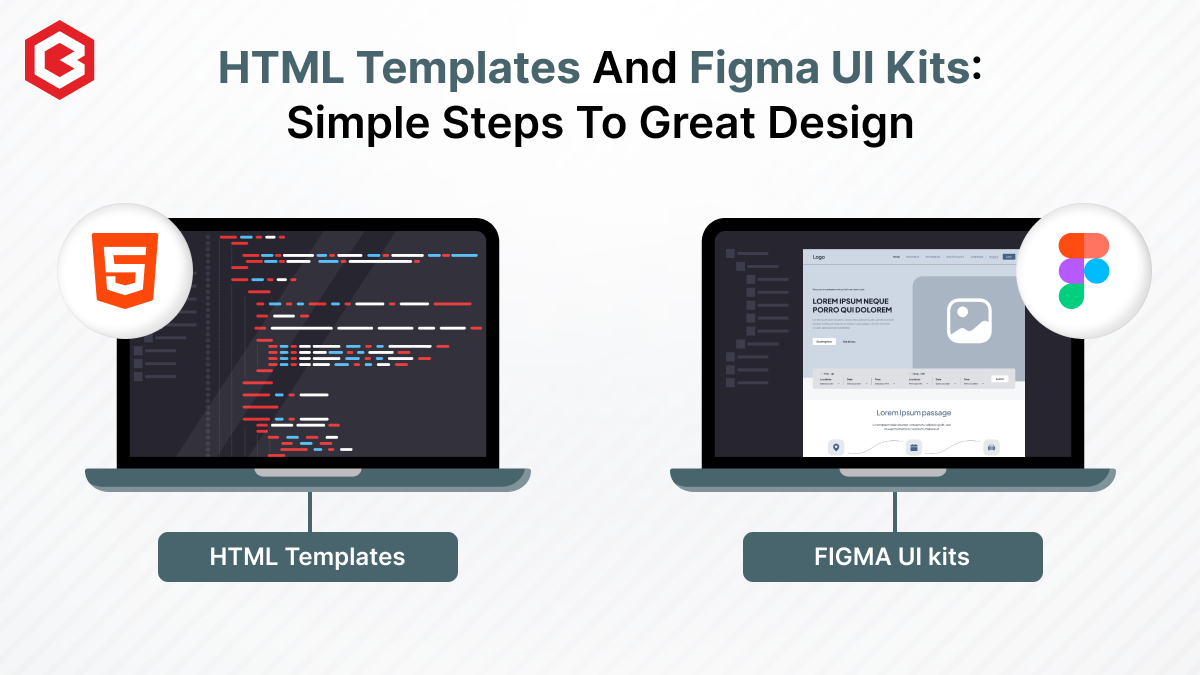
Designing and developing a website may look tough and time-consuming. It is actually tough when it c...
Developing a website has now been important to reach a wider audience. Performing web development fr...

In web development, choosing the right CSS framework can make a significant difference in the succes...

Do you know? The Jewelry Market value is hitting the limit of 310.88 Billion USD in 2024 and by 2028...
Related Products 
Not sure which template or UI kit fits your project? Reach out for expert advice.
 100% Satisfaction Guaranteed
  Shop with Confidence!
 Tags
Tags