Buy any 1 product and get 1 absolutely free — this offer applies to all Website Templates, UI Kits, and Complete Scripts.
Buy Now! Article Information Table Of Contents
Software development is a long process. It takes time to build a user-friendly and reliable software. This process has two key parts: Front-End Development and Back-End Development. Both play an important role, but they focus on very different areas of a digital product. Understanding the difference between front-end and back-end development helps businesses, startups, and even non-technical readers make better decisions when building websites or applications.
Front-end development focuses on everything a user can see and interact with on a website or app. It is often called the “client side” of development. When you open a website and see buttons, text, images, forms, sliders, or menus, you are looking at the work of a front-end developer.
The main goal of front-end development is to create a smooth and clear user experience. A front-end developer makes sure the design looks good on different screen sizes, loads properly, and responds quickly to user actions. If a button does not click, a form does not submit, or the layout breaks on mobile, it usually points to a front-end issue.
Front-end developers work closely with designers. They take designs from tools like Figma or Sketch and convert them into real, working interfaces using code. Their job is not just to make things look good, but also to make them usable and accessible.
Front-end development mainly relies on three core technologies. HTML is used to structure the content. CSS is used to style the layout, colors, fonts, and spacing. JavaScript is used to add interactivity, such as animations, dropdowns, and form validations.
In modern projects, front-end developers also use frameworks and libraries like React, Vue, or Angular. These tools help manage complex user interfaces and improve performance. Responsive design frameworks like Bootstrap or Tailwind CSS are also popular because they save time and ensure consistency.
Back-end development focuses on the server side of an application. It handles everything that happens behind the scenes. While users do not see the back-end directly, it is responsible for making sure the application works correctly.
The back-end manages data, logic, and communication between the database and the front-end. When a user logs in, submits a form, places an order, or updates a profile, the back-end processes that request. It checks permissions, validates data, stores information, and sends the correct response back to the front-end.
In simple terms, if the front-end is the face of an application, the back-end is the brain. Without a strong back-end, even the best-looking app will fail to function properly.
Back-end developers work with many programming languages such as JavaScript (Node.js), Python, PHP, Java, and Ruby. They also work with databases like MySQL, MongoDB, PostgreSQL, or SQLite to store and retrieve data.
Another important part of back-end development is server management and APIs. They allow communication between the front-end and back-end. Back-end developers also focus on security, performance, and scalability to make sure the application can handle real-world usage.
The most basic difference lies in what users see. Front-end development deals with visuals and interaction, while back-end development deals with data and logic. Front-end developers focus on user experience, layout, and responsiveness. Back-end developers focus on data handling, authentication, and system stability.
The skill sets are also different. Front-end development requires a good eye for design and user behavior. Back-end development requires strong problem-solving skills and an understanding of how systems work together.
Another difference is how success is measured. A good front-end feels smooth, clear, and easy to use. A good back-end is fast, secure, and reliable, even when many users access the system at the same time.
Front-end and back-end development are not separate silos. They must work together closely. When a front-end developer builds a login form, the back-end developer creates the logic that checks the username and password. When the front-end shows product details, the back-end provides that data from the database.
Good communication between front-end and back-end teams is essential. If both sides understand how the other works, the development process becomes faster and more efficient. Poor coordination often leads to bugs, delays, and mismatched expectations.
Some developers work on both front-end and back-end. These are called full-stack developers. They understand how the entire system works, from user interface to server logic. Full-stack developers are especially useful in small teams or startups where flexibility is important.
However, being a full-stack developer does not mean mastering everything at the same level. Many full-stack developers are stronger in one area but capable of handling tasks across the stack when needed.
Front-end and back-end development are equally important. A beautiful interface without proper functionality will frustrate users. A powerful back-end with a poor interface will struggle to attract or retain users. Successful software products balance both sides.
The importance of each part may vary depending on the project. A content-heavy marketing website may rely more on front-end work, while a data-driven platform like a payment system or booking app depends heavily on the back-end.
For beginners or businesses, choosing between front-end and back-end depends on goals. If you enjoy design, visuals, and user interaction, front-end development may be a better fit. If you prefer logic, data, and problem-solving, back-end development might be more suitable.
For businesses, understanding the difference helps in hiring the right talent and planning projects properly. Clear roles lead to better outcomes and fewer misunderstandings during development.
Front-end and back-end development are related to each other. One focuses on what users experience, and the other focuses on how everything works behind the scenes. Neither can succeed alone. When both are planned and executed well, they create software that is not only functional but also enjoyable to use.
Understanding this difference makes software development less confusing and more transparent, especially for non-technical decision-makers. It also highlights why building quality digital products takes time, effort, and collaboration.
Front-end-heavy projects often cost more when custom UI, animations, or cross-device testing is required. Back-end-heavy projects increase cost when complex logic, integrations, or scaling are involved.
Yes. In early-stage products, front-end developers may build layouts using wireframes or basic guidelines and refine the UI later based on testing and feedback.
Front-end maintenance usually involves UI updates and compatibility fixes, while back-end maintenance focuses on performance tuning, database optimization, and security updates.
Most third-party services like payment gateways, email systems, or analytics are integrated on the back-end, while the front-end handles how users interact with those services.
Front-end development impacts SEO through page structure, loading speed, and accessibility. Back-end development supports SEO by ensuring fast responses, clean URLs, and proper data handling.
Front-end scaling focuses on asset optimization and performance, while back-end scaling involves load balancing, database management, and server infrastructure.
 Similar Blogs
In web development, choosing the right CSS framework can make a significant difference in the succes...
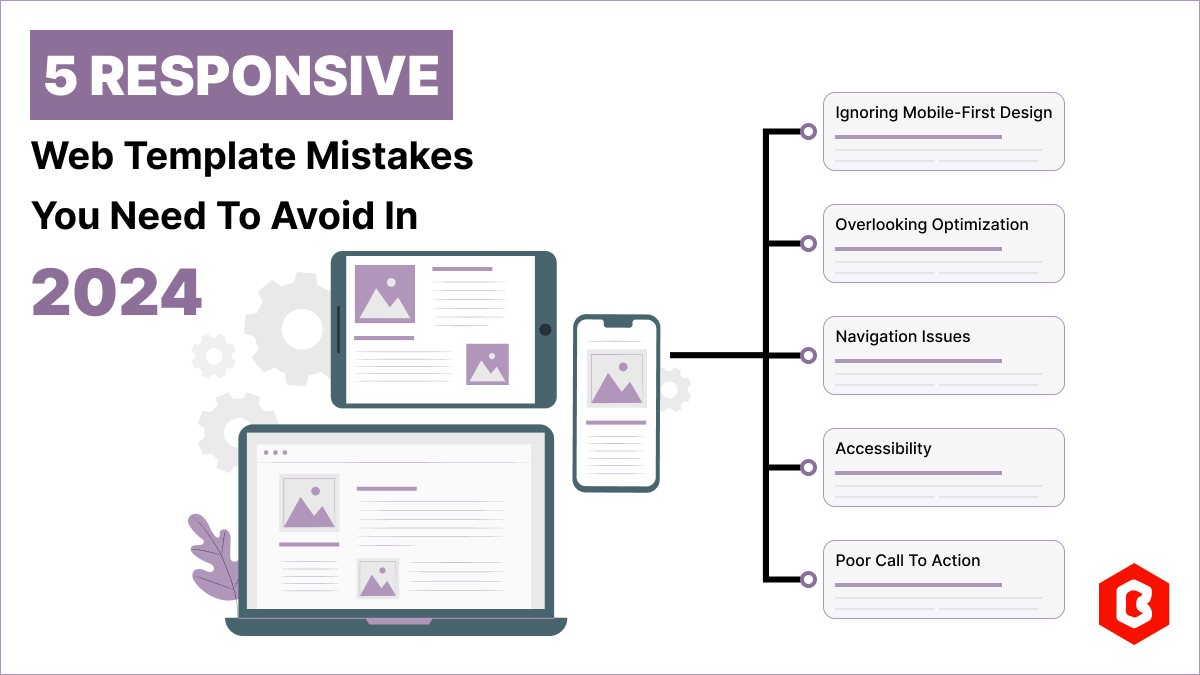
Having a responsive web template can help you succeed and keep your business ahead of the competitio...

Having an interactive and functional website is a core aspect of making a successful online business...
Nowadays, every business is operating from an online website which is called a virtual shop. From eC...

In today's digital age, having a strong online presence is no longer a luxury for local businesses -...

Every business needs better marketing to promote their products and services. Nowadays, they prefer...

Not sure which template or UI kit fits your project? Reach out for expert advice.
 100% Satisfaction Guaranteed
  Shop with Confidence!
 Tags
Tags