Buy any 1 product and get 1 absolutely free — this offer applies to all Website Templates, UI Kits, and Complete Scripts.
Buy Now! Article Information
Many business owners get stuck at this stage. They have an idea. It feels good. Maybe even exciting. And the first thought is usually, “Let’s build it.”
But honestly, that’s where many go wrong. Because mobile app development takes time, money, and energy. And if the idea doesn’t work, all that effort goes to waste.
So the smarter move is simple: validate first, build later. Let’s talk about how to do that, without writing a single line of code.
Before anything else, ask yourself one simple question:
What problem am I solving?
You might think your app is about “food delivery” or “task management.” But that’s too broad.
Try something like:
“People don’t want to wait in long restaurant queues.”
“Freelancers forget to track small daily tasks.”
See the difference? When your problem is clear, validation becomes much easier.
This part feels a bit uncomfortable, but it works. Don’t just ask your friends, “Is this a good idea?” Most of them will say yes. Not because it’s great, but because they know you.
Instead, try talking to people who actually face the problem.
For example:
If it’s a restaurant app → talk to restaurant visitors
If it’s a fitness idea → talk to people who work out regularly
Ask simple questions:
“Do you face this issue?”
“How do you solve it right now?”
“Would you try something better?”
You might notice something interesting here. Sometimes people don’t care about the problem as much as you thought. And that’s a big signal.
You don’t need a full app. Just a basic page.
Explain:
What your app does
Who it’s for
Why it’s useful
And add one simple action:
“Join waitlist”
“Get early access”
That’s it. If people sign up, it means they’re interested. If they don’t, well, that tells you something, too. Don’t overthink design here. Keep it simple and clear.
Here’s a trick many people use. Instead of building the app, just show what it would look like.
You can create:
Screens in Figma
Simple UI images
Basic clickable prototypes
Then show it to users.
Ask:
“Would you use this?”
“Does this make sense?”
In most cases, people react honestly when they can see something. It feels more real than just explaining.
If you want faster feedback, try this. Create a simple post or ad describing your idea.
For example:
A short Instagram post
A LinkedIn post
A basic ad with a small budget
Then watch what happens:
Do people click?
Do they comment?
Do they sign up?
You don’t need thousands of responses. Even small signals help. If nobody engages at all, that’s also feedback.
This might sound a bit bold, but it works surprisingly well. Offer your app as if it already exists.
Something like:
“Get early access for ₹99”
“Limited beta slots available”
Now see if people are willing to pay. Because interest is one thing. Payment is another. If someone is ready to spend money, your idea has real potential. If not, you may need to rethink it.
Let’s say you want to build an app that gives digital tokens for restaurants (so people don’t stand in line).
Instead of building the app, you could:
Create a simple page explaining the idea
Show a few mock screens
Ask people to join a waitlist
Then maybe visit a few restaurants and talk to customers.
You might notice:
Some people love the idea
Some say they don’t mind waiting
That mix of reactions helps you understand if it’s worth building or not.
Sometimes validation is not about asking. It’s about observing.
Check:
Apps people are already using
Complaints they have
Real user reviews
You’ll often find patterns like:
“Too slow”
“Too complicated”
“Missing this feature”
These are opportunities. If your idea solves these better, you’re on the right track.
One common mistake is overdoing validation.
People spend weeks:
Perfecting landing pages
Designing detailed prototypes
Running complex tests
You don’t need all that. Validation should be quick. Think in days, not months. The goal is not perfection. The goal is clarity.
After all this, how do you decide?
Look for simple signals:
People understand your idea quickly
They show genuine interest
They sign up or ask questions
Some are even willing to pay
These are good signs.
On the other hand:
Confusion
No engagement
Polite but empty responses
These usually mean you need to rethink.
Validating an app idea without coding is not complicated. It’s mostly about talking, observing, and testing small things. No fancy tools needed. And honestly, this approach can save you a lot of time. Because building an app that nobody wants is the real waste.
So before you start coding, just pause a bit. Test the idea. Get feedback. Look for real interest.
If the signals are strong, then go ahead and build. If not, adjust and try again. That’s how good apps usually begin.
 Similar Blogs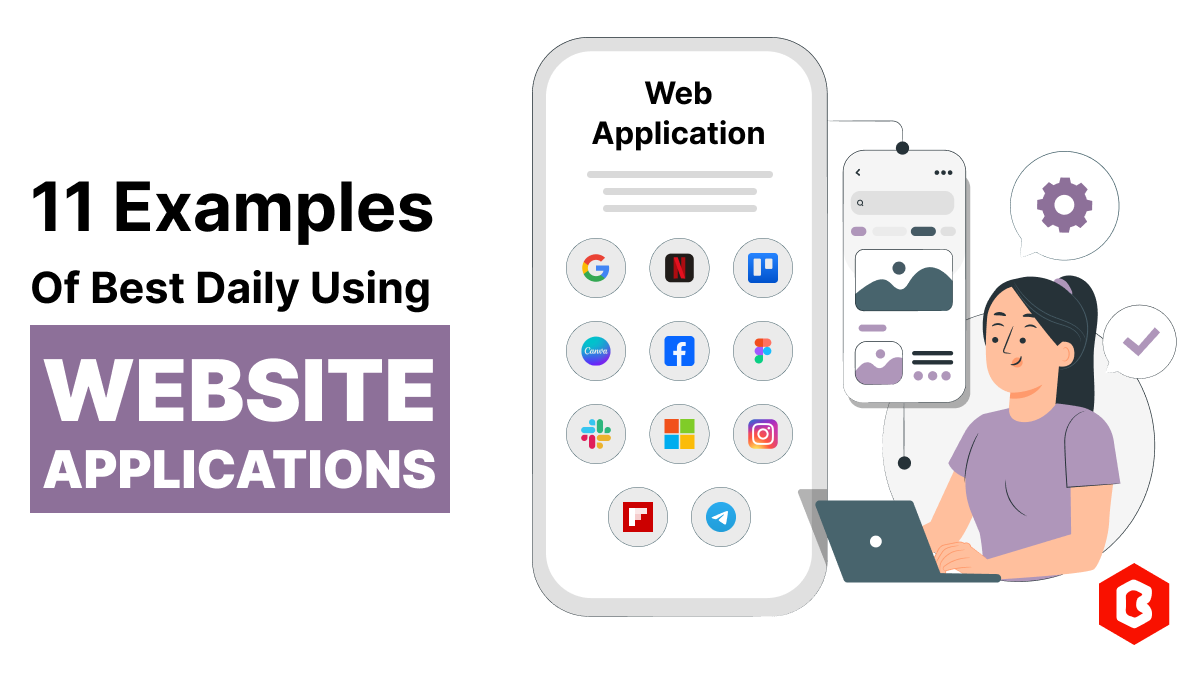
In today's world, web applications are controlling the business arena. Whether it's an eCommerce web...
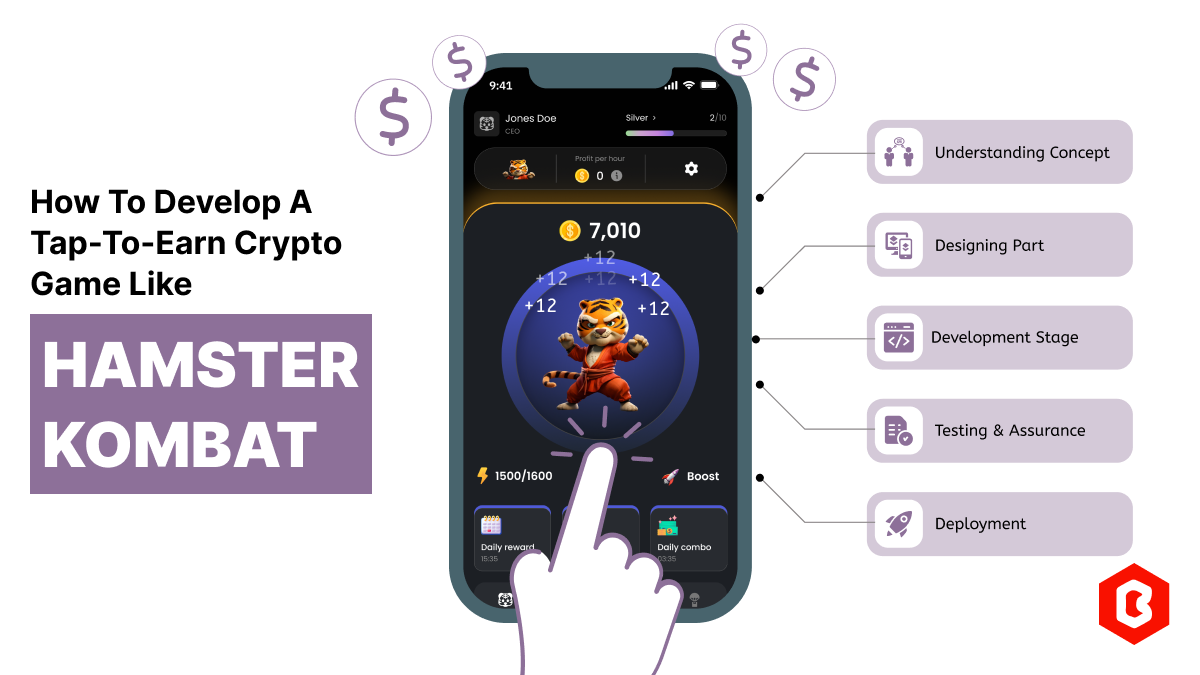
Hamster Kombat is a tap-to-earn crypto game where players are designated as virtual CEO. In developi...

Online Sports betting apps are considered as the source of earning passive income but with that, the...
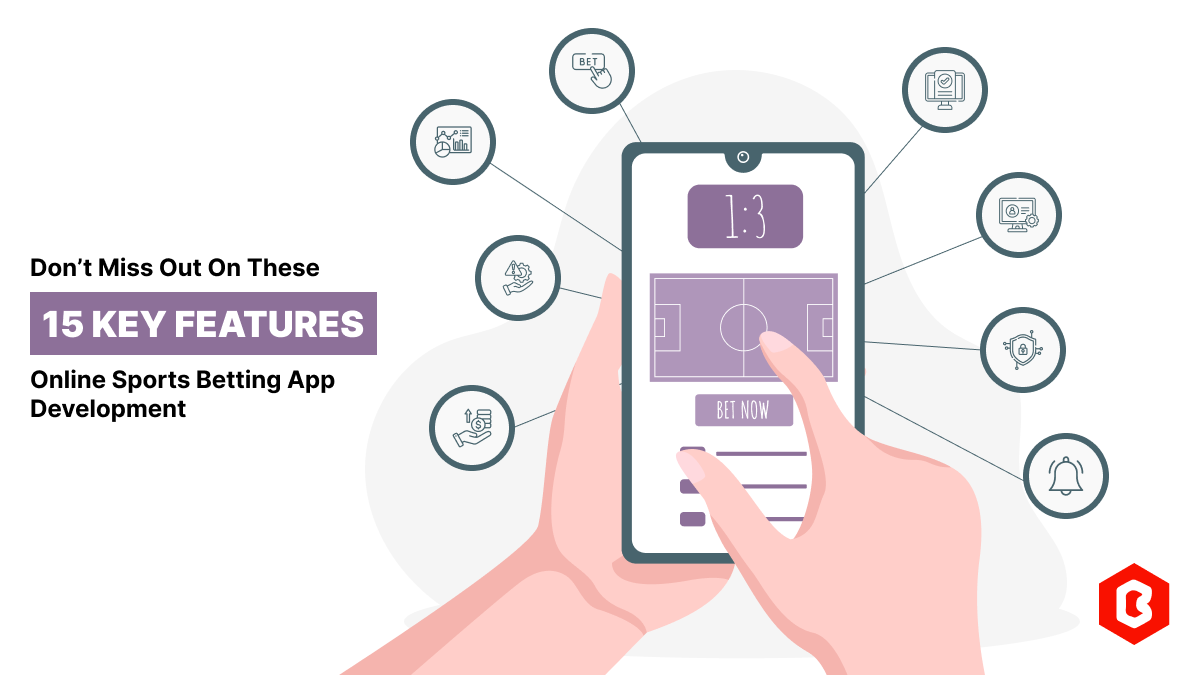
Nowadays, online sports betting apps are emerging as a healthy income source for bettors. All thanks...

In today's digital age, businesses are transforming and managing their entire workflow through softw...

Flutter is Google's open-source framework, which has revolutionized mobile app development. Its abil...

Not sure which template or UI kit fits your project? Reach out for expert advice.
 100% Satisfaction Guaranteed
  Shop with Confidence!
 Tags
Tags