Buy any 1 product and get 1 absolutely free — this offer applies to all Website Templates, UI Kits, and Complete Scripts.
Buy Now! Article Information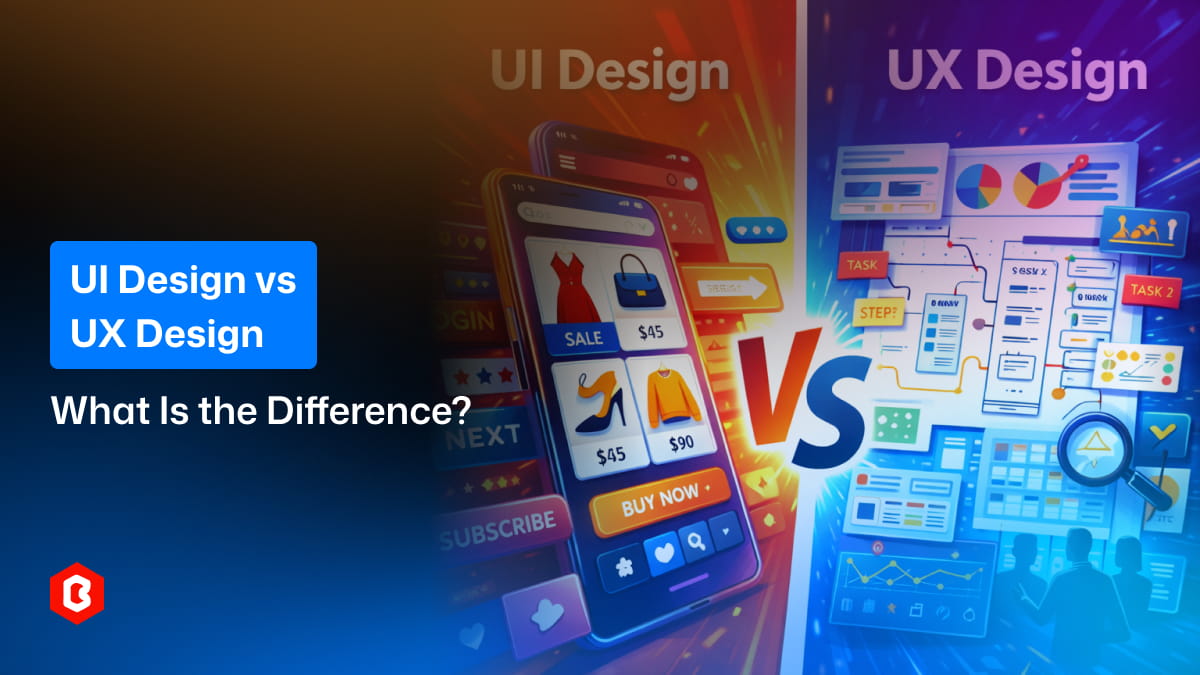
UI design and UX design are two terms that are often used together, especially in website and app development. Many people assume they mean the same thing, but they focus on different aspects of digital product design. Both play an important role in creating user-friendly and visually appealing digital experiences. Understanding the difference helps businesses, designers, and developers build better products and improve user satisfaction.
UI design stands for User Interface design. It focuses on the elements seen by the user while using a website, mobile app, or software. UI design is responsible for creating layouts, color schemes, typography, buttons, icons, and overall visual styling.
The main goal of UI design is to make digital platforms attractive, consistent, and easy to navigate. A strong UI design ensures that buttons are clearly visible, menus are properly organized, and design elements follow a consistent theme. For example, when a user visits an online shopping website, UI design controls how product images, navigation menus, and checkout buttons appear on the screen.
Good UI design improves visual appeal and helps users interact with the interface comfortably. Designers focus on maintaining brand identity, choosing suitable color combinations, and creating visually balanced layouts that attract users and encourage engagement.
UX design stands for User Experience design. It focuses on how users feel while interacting with a website, application, or digital platform. UX design involves improving usability, accessibility, performance, and overall user satisfaction.
UX designers study user behavior, identify user needs, and design product structures that make navigation simple and logical. For example, when a visitor browses an online store, UX design ensures that the search feature works smoothly, product categories are easy to explore, and checkout processes are simple and quick.
UX design includes research, wireframing, usability testing, and content structure planning. The goal is to remove confusion, reduce effort, and create a smooth and enjoyable experience for users. A strong UX design helps users complete tasks easily and encourages them to return to the platform.
UI design focuses on the visual presentation of a product. It deals with how elements look and how users interact with them visually. UI designers concentrate on layout design, color selection, typography, and interactive components.
UX design focuses on user experience and usability. It deals with how the product works, how users navigate it, and how comfortable the overall experience feels. UX designers concentrate on improving functionality and user satisfaction.
UI design is more related to visual creativity and brand presentation. Designers create attractive layouts and ensure design elements match the brand's style and tone.
UX design is more related to research and problem-solving. Designers analyze user behavior, test usability, and improve product flow to ensure smooth interaction.
UI designers work on visual styling and interface elements after the product structure is defined. They transform wireframes into visually appealing layouts that attract users.
UX designers work during the early stages of product development. They create user journeys, develop navigation structures, and ensure the product meets user needs effectively.
UI designers use design tools to create layouts, color palettes, and interface components. They focus on maintaining visual consistency and responsive design elements.
UX designers use research tools, wireframing software, and usability testing methods. They analyze user feedback and improve platform structure based on user behavior patterns.
UI design ensures users can visually interact with buttons, menus, and features easily. It helps users understand how to use the platform by creating clear visual cues.
UX design ensures users can complete tasks efficiently without confusion or frustration. It focuses on improving navigation flow, loading speed, and accessibility for different user groups.
UI and UX design are closely connected and depend on each other to create successful digital products. UX design builds the structure and functionality, while UI design enhances visual presentation and interaction quality. Both work together to create balanced, user-friendly experiences.
For example, a website may have attractive colors and stylish layouts, but if navigation is confusing, users may leave quickly. Similarly, a platform may have excellent functionality but poor visual design, which can reduce user engagement. Combining strong UI and UX design ensures both usability and visual appeal.
Strong UI and UX design improve user satisfaction, increase engagement, and build trust. Websites and applications that are easy to use and visually appealing encourage users to stay longer and explore more features. Businesses benefit from improved conversion rates and stronger customer relationships.
Good design also reduces user frustration and support requests. When users can navigate platforms easily, you can expect them to complete purchases, sign up for services, or interact with digital content. This makes UI and UX design essential for modern digital product success.
UI and UX design are equally important because they serve different purposes. UX design creates the foundation by focusing on usability and user flow, while UI design enhances visual presentation and interaction clarity. Ignoring either aspect can reduce product effectiveness and user satisfaction.
Successful digital products focus on balancing both UI and UX design. When visual design and user experience work together, platforms become more engaging, reliable, and user-friendly.
UI design focuses on how digital platforms look and how users visually interact with them, while UX design focuses on how platforms work and how users experience them. Both play important roles in creating user-friendly digital products. When UI and UX design are combined effectively, they help businesses deliver better user experiences, improve engagement, and build long-term customer trust.
 Similar Blogs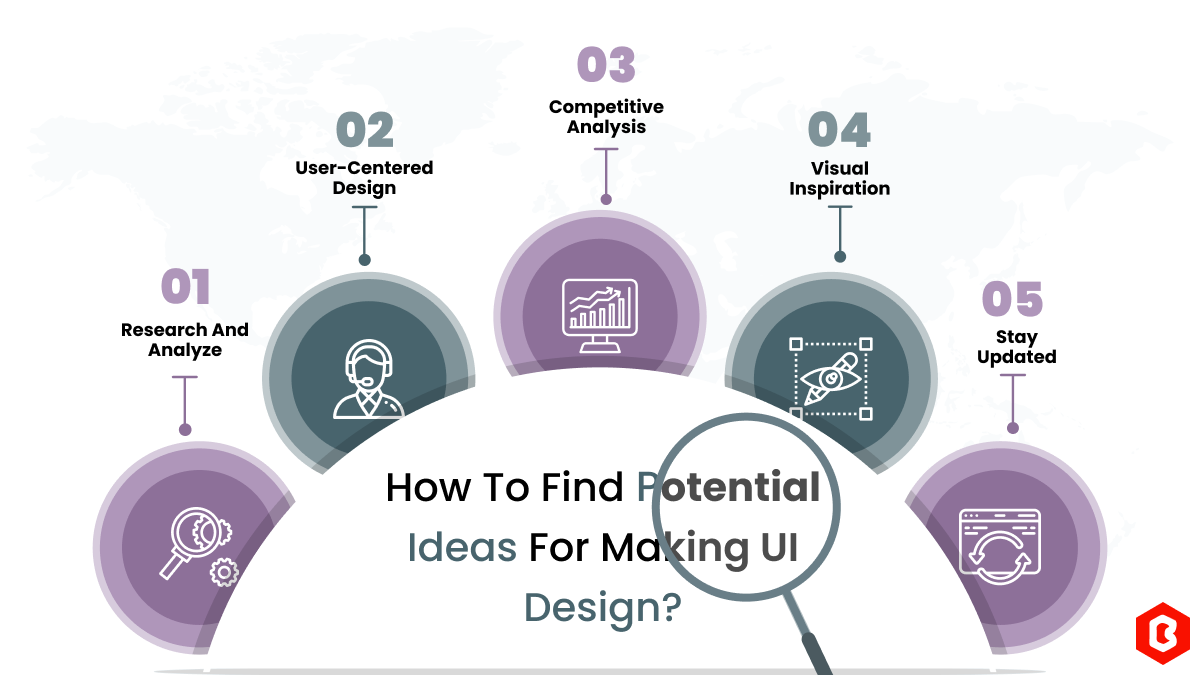
We can discover a lot of alternatives when it comes to UI design or UI thoughts, which we are able t...
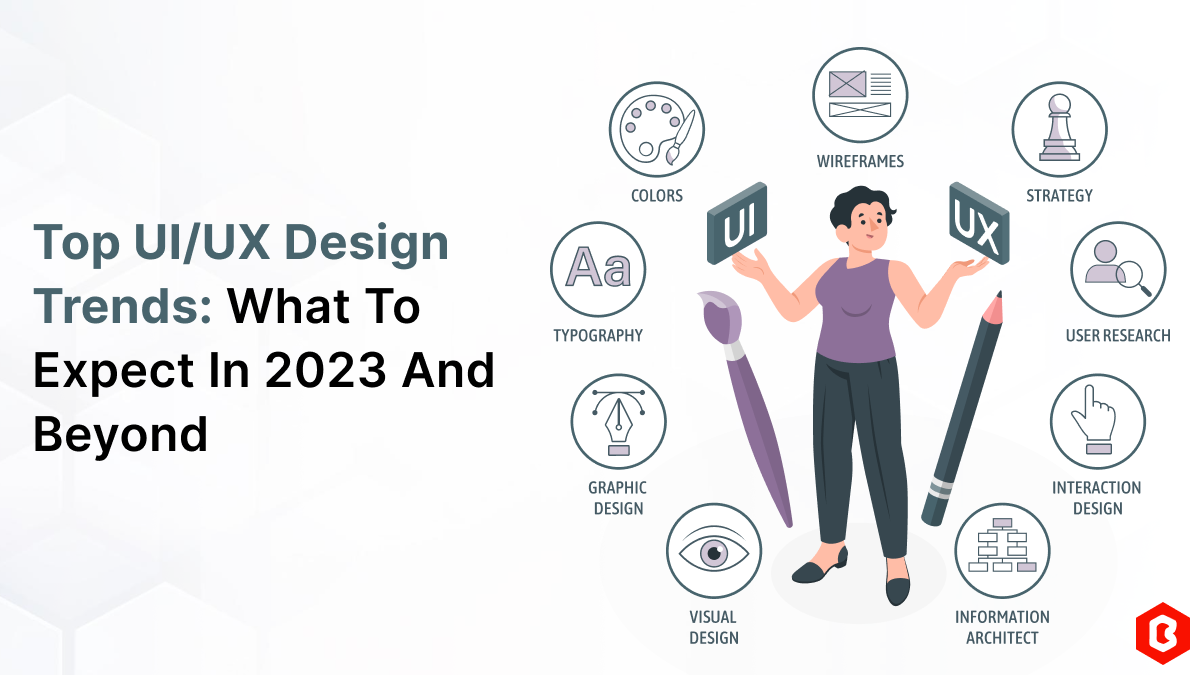
UI/UX. User interface and Use experience are the two important things we can consider in today’s web...
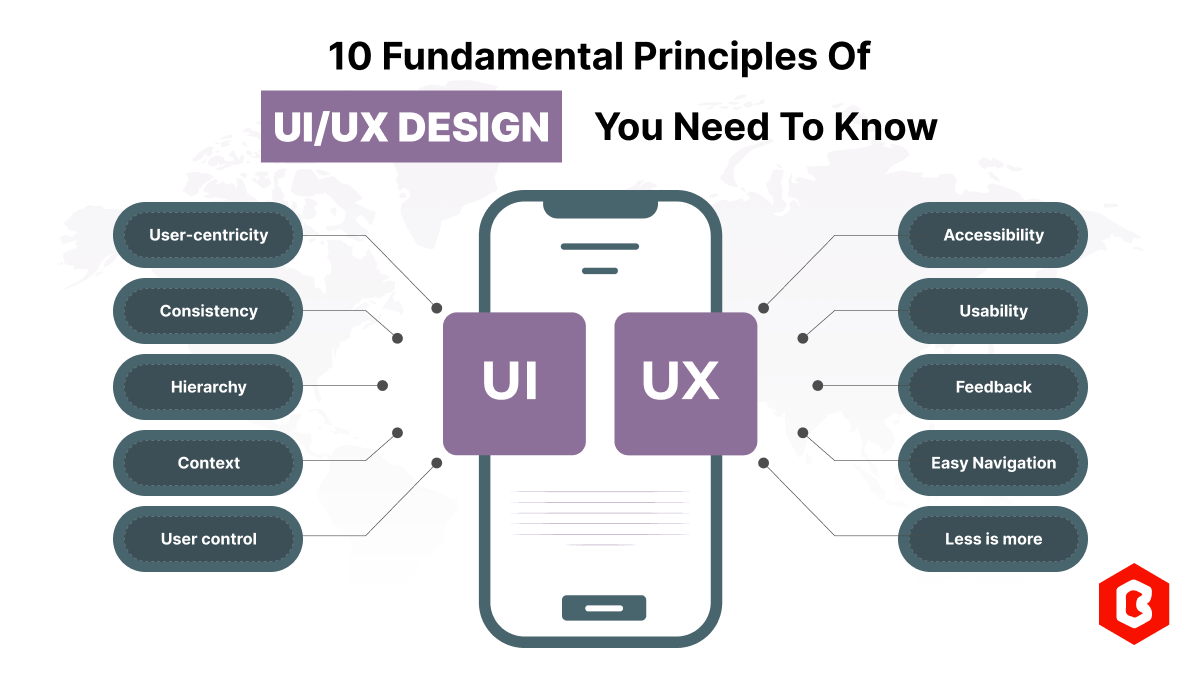
Today everything seems to be online whether it's an eCommerce store or a stock broker mobile app. Bu...

Having an interactive and functional website is a core aspect of making a successful online business...
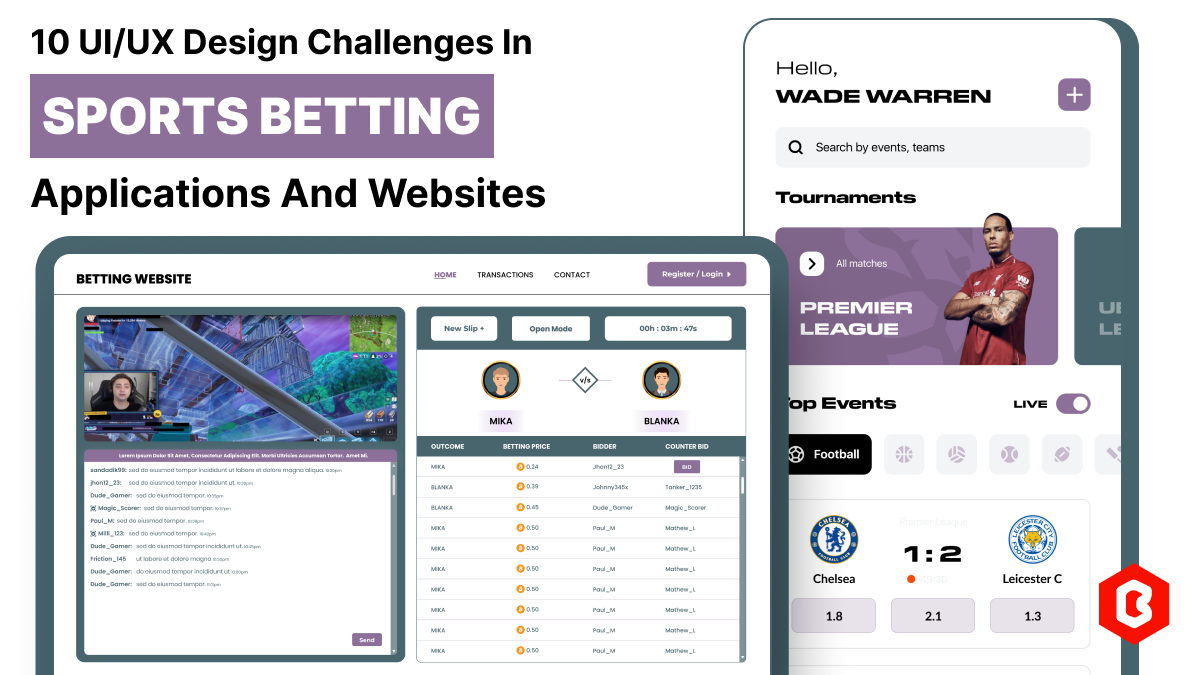
In 2023, the worldwide online betting and lottery market size reached $242.04 Billion. To capture a...
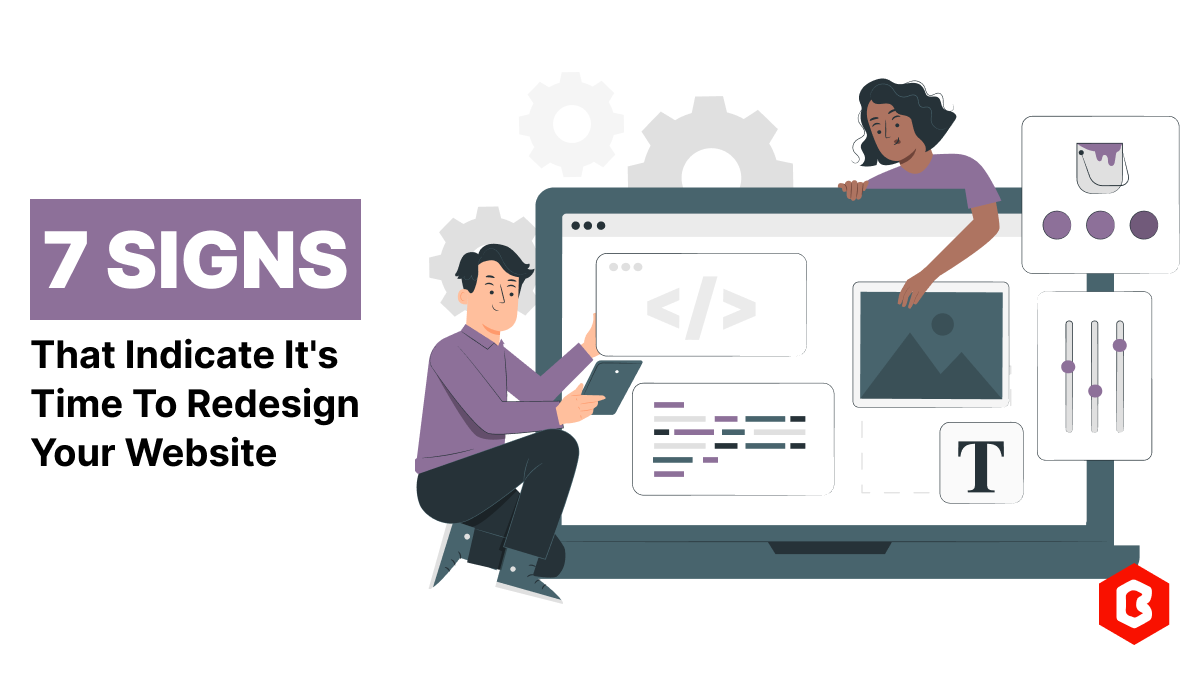
Nowadays, every business is operating from an online website which is called a virtual shop. From eC...

Not sure which template or UI kit fits your project? Reach out for expert advice.
 100% Satisfaction Guaranteed
  Shop with Confidence!
 Tags
Tags