Buy any 1 product and get 1 absolutely free — this offer applies to all Website Templates, UI Kits, and Complete Scripts.
Buy Now! Article Information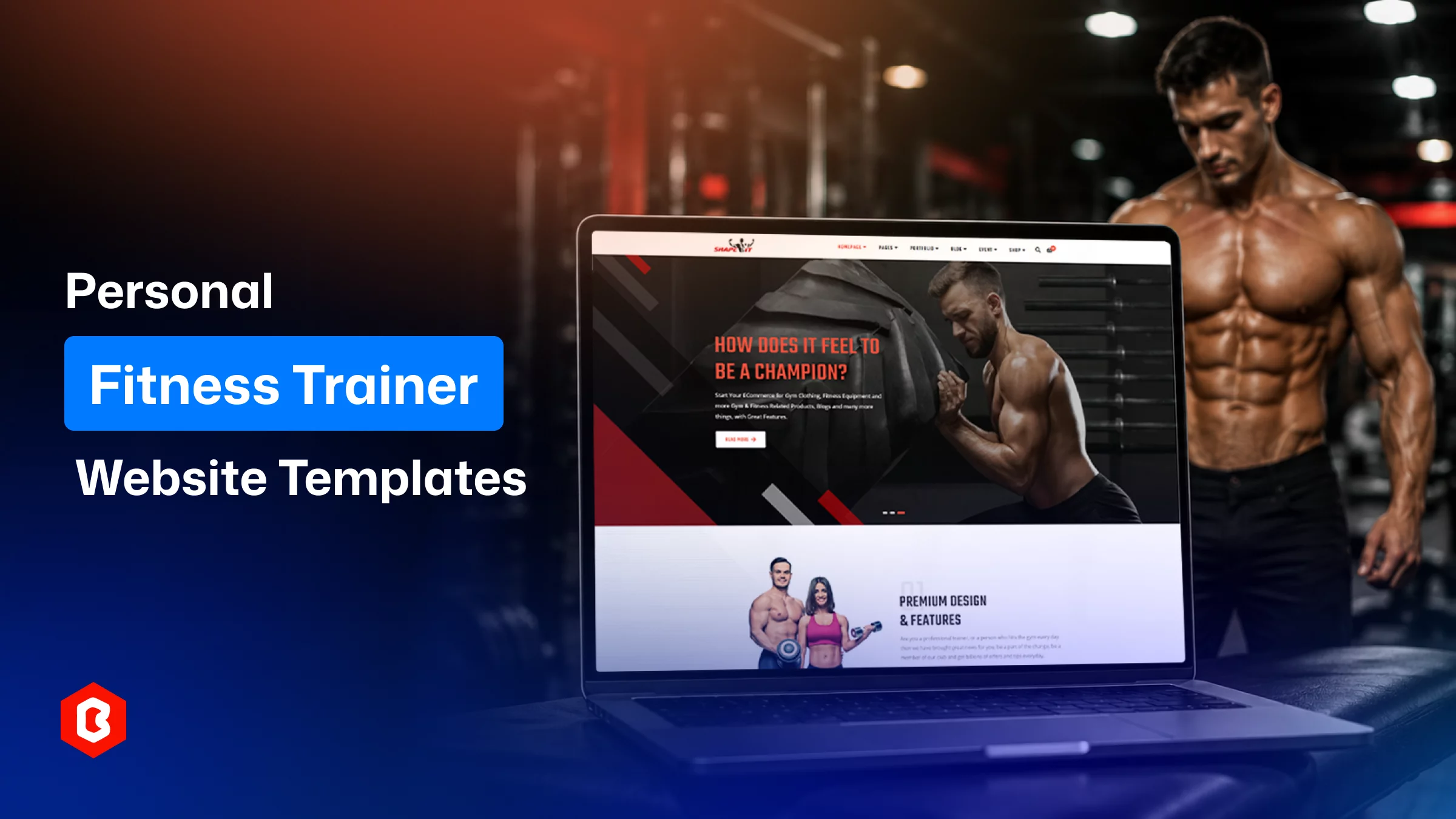
Picking a website template isn't the fun part of starting a training business. Most trainers just want something that looks credible, loads fast, and gets someone to actually book a session instead of bouncing after ten seconds. That's the whole appeal of a fitness website template: the layout and structure are already sorted, so you're customizing rather than starting from a blank page.
This guide covers what actually separates a good fitness trainer website template from one that quietly costs you leads, what to look for before you buy, and where a template like SHAPEIT fits if you need shopping cart and checkout features alongside your coaching pages.
In custom website development, you have to hire a developer and need to wait for a first draft. Then thinking it converts when the site is live. Templates skip that part. It includes navigation, page layout, and basic booking elements ar already there. You’re not designing from zero; you're filling in the blanks.
That matters more for fitness businesses than most. The buying decision here is personal. Visitors have a question when interacting with the homepage:
Who are the trainers
What results look like after joining the club
How fast they can book a call
Website templates maintain the flow and are tested well for similar sites. The conversion chances are higher.
There are a few cases where a template genuinely won't cut it: an unusually complex booking workflow, a member portal tied into proprietary software, that kind of thing. But for most solo trainers, small studios, and even multi-trainer gyms, a decent template covers what you need without the six-week wait or the developer invoice.
Not every "fitness template" on the market was actually built with fitness businesses in mind. Here's what separates the ones worth paying for.
In global web browsing, the mobile traffic share is over 60%. The fitness club searchers are even higher as people look for a personal trainer. If the mobile preview breaks your layout, affects the call-to-action, or forces horizontal scrolling, skip it. Don't just compress your browser window to check this; pull it up on an actual phone.
A professional fitness trainer website template has an in-built booking form and a calendar link. To support e-commerce functionality, a cart and checkout are available to work with the plugin. It helps sell supplements, apparel, and digital programs.
The template pages have to be designed to serve daily essentials in a fitness training website. For example, services or programs, trainer bios, pricing, a blog, and contact. Simple website templates do skip fitness-specific extras like a BMI calculator or class schedule. With a pre-designed template, most of the features are available to make development smarter.
Read the fine print before checkout. Most premium website templates allow you to modify the design for your own business but not resell it. Check what files you're actually getting: HTML, CSS, JS, documentation so you know upfront whether you'll need help beyond swapping colors and copy.
The right pick depends on how you deliver training, not just how pretty the demo looks.
Fewer pages, generally: homepage, about, services, testimonials, and a way to book. Real photos of you and a clear bio do more work here than a long page count; people are sizing up a person, not a brand.
Building trust remotely is harder, so the template needs to carry more weight. That usually means a proper methodology section, room for video, and testimonials front and center, since a visitor has fewer cues to go on than they would meeting you in person.
In multi-trainer fitness operations, more pages are needed for team, class schedules, and event listings. There’s a need for a small storefront for merchandise. A fitness e-commerce template makes a good presence to present the products smartly.
If you need commerce features baked in from the start, the SHAPEIT Fitness Website Template from Bitrix Theme is worth a look. It's a Bootstrap and HTML5 template built specifically around fitness and gym businesses, not adapted from a generic theme.
It comes with pre-built pages for the following:
Services
Trainers
Pricing
Events
Blog
BMI calculator
Shopping cart and secure checkout
Four homepage layout options
The package includes HTML, CSS, and JS files with technical documentation. This is a self-hosted and self-customized template, not a managed website service. A basic comfort with HTML/CSS or a developer you can call on helps.
Free templates exist on pretty much every website builder, and plenty of them technically work. The catch is depth. Free templates are usually built to suit as many small businesses as possible, which means no BMI calculator, no fitness-specific booking flow, and thin page structures for services or scheduling.
A paid, niche template usually costs less than a single missed enquiry. Weigh a low one-time or monthly cost against months of leads lost to a site that looks unfinished on someone's phone, and the paid option tends to win out over a full year.
Start with colors, fonts, and your logo low-risk changes that make the template feel like yours right away.
Swap out placeholder photos for real shots of you training clients.
Stock photography makes doubts and fewer bookings or increases cart abandonment. It
Rewrite the copy section by section. Homepage content priority is acceptable as the headline highest-impact change on the page.
Leave the section order as it is and change when required.
Provide the sequence on the website like hero, credibility, services, call-to-action so people actually decide.
Rearranging as you personally prefer a different order so it hurts conversions less and helps.
Most can handle either, though online coaches usually get more out of templates with stronger video and testimonial sections.
Only if it's built in or the platform supports custom code; not every builder makes this easy to add later.
Bootstrap is generally faster to customize if you're not a developer; raw HTML gives more flexibility but takes more technical effort.
Premium niche templates typically run $30–$60 one-time, or $20–$40 a month for hosted, managed platforms.
Yes, the template has built-in cart and checkout functionality to support product sales. The plugin system is not working here.
A proper trainer or team bio page, which matters more than people expect for building trust before someone books.
 Similar Blogs
Picking the perfect style for your website is a major decision, especially in the vast scope of web...
Designing and developing a website may look tough and time-consuming. It is actually tough when it c...
Developing a website has now been important to reach a wider audience. Performing web development fr...
Nowadays, every business is operating from an online website which is called a virtual shop. From eC...
When the world is going online, having a responsive website that works flawlessly across all devices...
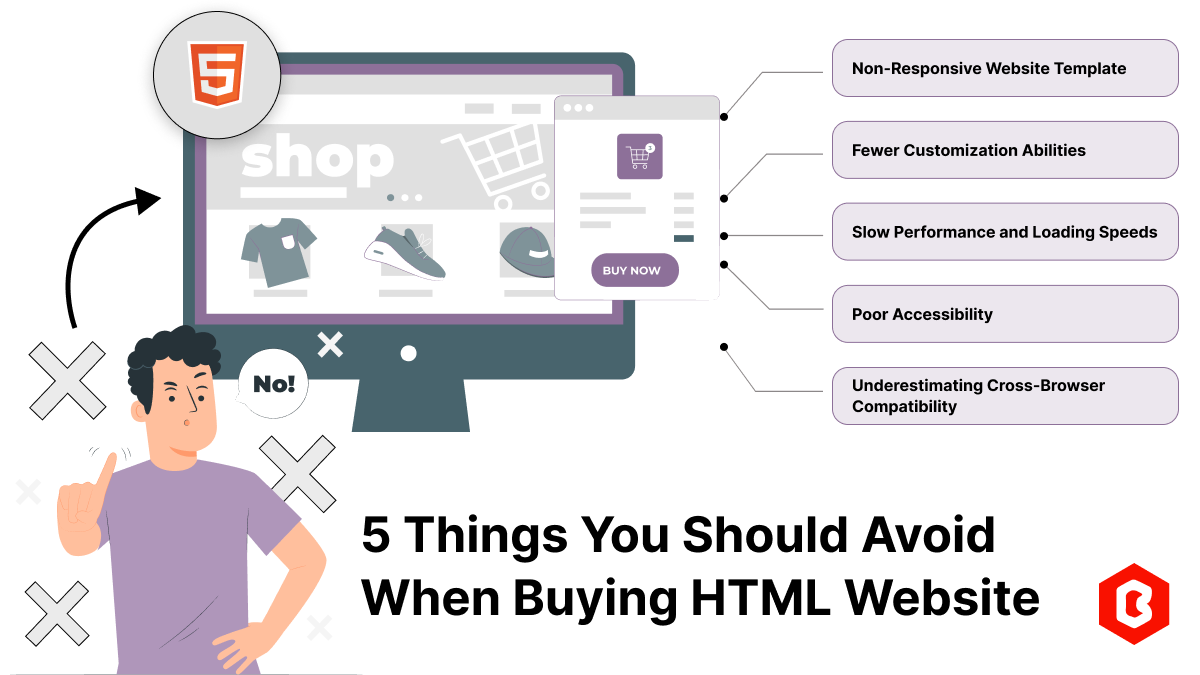
According to stats published on Forbes, 57% of internet users avoid recommending a poorly designed w...

Not sure which template or UI kit fits your project? Reach out for expert advice.
 100% Satisfaction Guaranteed
  Shop with Confidence!
 Tags
Tags