Buy any 1 product and get 1 absolutely free — this offer applies to all Website Templates, UI Kits, and Complete Scripts.
Buy Now! Article Information Table Of Contents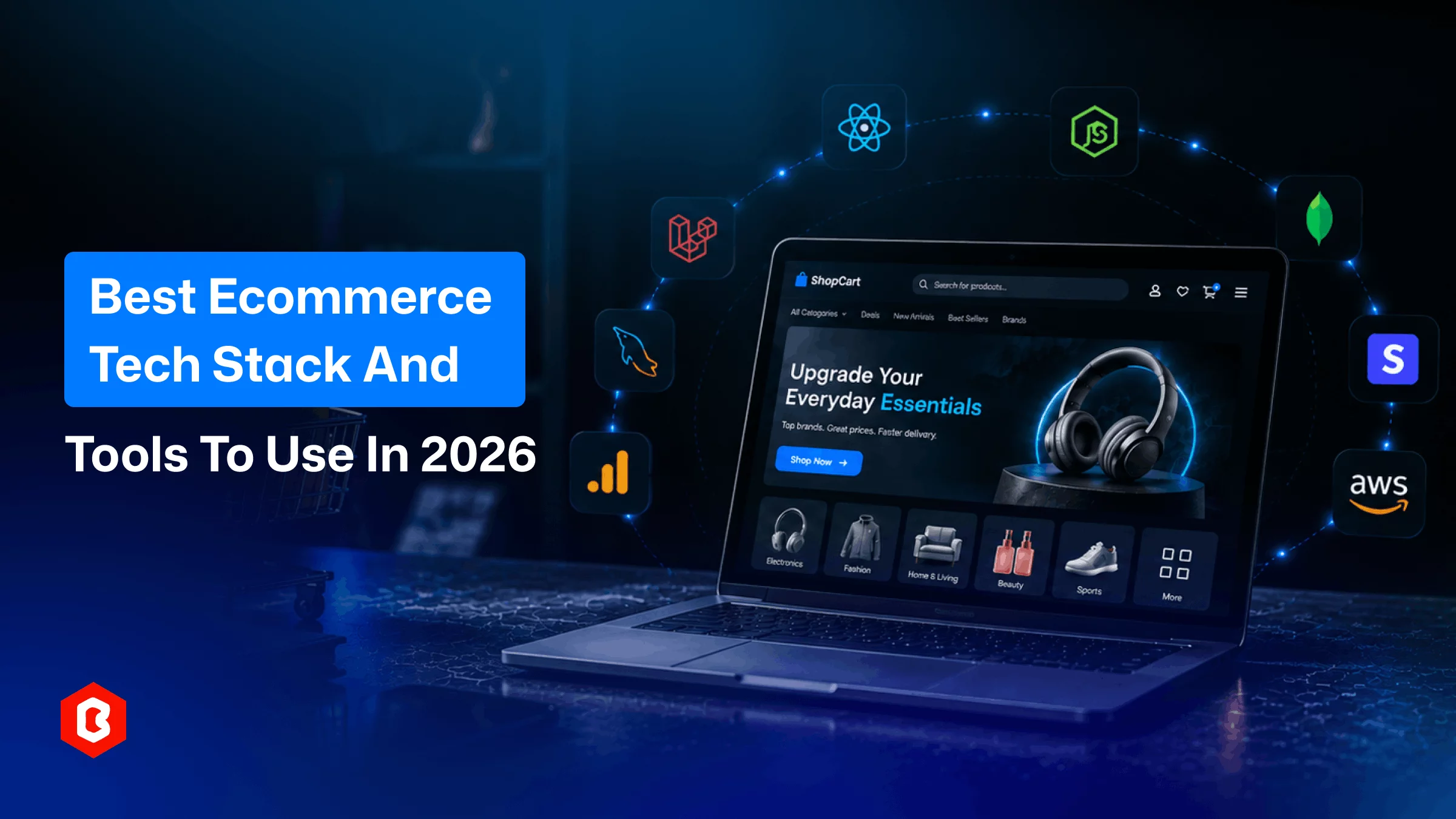
An e-commerce website needs more than product pages. It also needs reliable technology behind it. The right technology can support website performance. It can also improve security and scalability.
This group of technologies is called an e-commerce tech stack. It includes the tools used to build and manage different parts of an e-commerce website. The choice depends on business requirements. It can also depend on the expected website traffic.
An e-commerce (web/app) tech stack is a collection of technologies. It is used to build an online store. It can include frontend and backend technologies. It can also include databases and payment tools.
Hosting and security tools can be part of it. Analytics and third-party services can also be included. Each technology handles a specific part of the website. Together, they support the complete e-commerce experience.
A business should select tools based on its requirements. There is no single stack for every store.
The frontend is the part customers interact with. It includes pages, navigation, forms, and product displays.
Popular frontend technologies include HTML and CSS.
JavaScript is also widely used for e-commerce websites.
React can support dynamic e-commerce interfaces.
Vue and Angular are other available options.
The choice depends on project complexity. It can also depend on the development team's skills. A good frontend should work across screen sizes. It should also provide clear navigation for shoppers.
The backend handles many important website operations. It connects the interface with business logic. Node.js is primarily used for web apps. PHP is another popular option for e-commerce development.
Python can also be used for backend development. Frameworks can help developers organize application code. The backend can manage products and orders. It can also handle customer accounts and inventory.
The right backend depends on project requirements. It should also support future business growth.
An e-commerce website needs a database to store information. Product details are stored in the database. Customer and order information can also be stored there.
MySQL is a common relational database option.
PostgreSQL is another widely used choice.
MongoDB can be used for document-based data.
The database choice depends on platform requirements. A suitable database should handle expected data volumes. It should also support reliable data access.
Businesses can also use e-commerce platforms. These platforms provide tools for building online stores.
Shopify provides a hosted e-commerce platform.
WooCommerce works with WordPress websites.
Magento and Adobe Commerce support larger e-commerce projects.
Other frameworks can also be used for custom stores. The choice depends on the store's requirements. Budget and customization needs also matter. A small store may need fewer technical resources. A large store may require more customization and control.
Payments are a core part of e-commerce websites. A payment gateway connects the store with online payments. It lets customers pay online.
Popular payment options vary by market. Businesses should choose gateways that support their target customers. The integration should also support secure transactions. Payment data needs appropriate security measures.
Multiple payment methods can improve checkout flexibility. The available options should match customer requirements.
Hosting affects how an e-commerce website runs. It also affects scalability and availability. Cloud platforms can provide flexible infrastructure. They can support changing traffic requirements.
Below are common cloud platforms:
AWS
Google Cloud
Microsoft Azure
Businesses can select services based on their infrastructure needs. A hosting setup should support expected traffic. It should also allow future scaling when required.
Some e-commerce websites need content beyond product pages. Businesses may publish blogs and buying guides. They may also create landing pages and promotional content. Content management systems (CMS) can help with information management.
WordPress is a common option for that. Headless CMS platforms can also support custom storefronts. The right choice depends on the website architecture.
Analytics tools help businesses understand website activity. They can track traffic and customer interactions. They can also provide information about conversions.
Google Analytics is primarily used for website analytics. Other analytics platforms offer additional tracking capabilities. Marketing tools can support email campaigns and automation. They can also help manage customer communication.
These tools can connect with the e-commerce platform. This creates a more connected technology environment.
Security should be considered throughout e-commerce development. Websites handle customer and transaction information. They therefore need appropriate security measures.
SSL certificates help secure data in transit.
Firewalls can provide another layer of protection.
Regular updates can reduce security risks.
Access controls can also protect administrative systems.
Businesses should review their security requirements regularly. The measures needed will depend on the website architecture.
The best e-commerce tech stack depends on your project.
Start by identifying the website requirements. Consider products and expected traffic. Think about the required integrations. Payment and inventory systems may need to connect. Consider the development team's expertise. This can affect development and maintenance work.
Future growth should also be considered. A stack should support planned business expansion.
Budget is another important factor. Some technologies require higher infrastructure or development costs.
Different e-commerce projects can need different technologies. A small store may use a managed platform. This can reduce infrastructure management work.
A growing store may need more customization. It can use a flexible backend and database setup. Large e-commerce platforms may require custom architecture. They may also need cloud infrastructure and advanced integrations.
The technology should match the business model. It should not be selected only because it is popular.
Choosing technologies is only one part of e-commerce development. The website also needs a clear structure. It needs product management and checkout functionality. Performance and security should also be considered. The system should support the required integrations.
Businesses can work with an experienced development team for this process.
Theme Bitrix's e-commerce website development services can help businesses build e-commerce websites based on their requirements. The development approach can be planned around the business model. The required features can also be included in the project scope.
The e-commerce tech stack forms the technical foundation of an online store. It can include frontend and backend technologies. Databases and payment systems are also important.
Hosting and security tools support the website infrastructure. Analytics and marketing tools can support business operations. The right stack depends on your project requirements. It should also consider scalability and future needs.
There is no universal technology combination for every store. Businesses should select tools based on platform requirements.
A structured e-commerce development process can help with better tech utilization. This can create an e-commerce website that supports both current and future requirements.
An e-commerce (webiste/app) tech stack is a collection of technologies. It is used to build an online store. It can include frontend and backend tools. Databases, payment gateways, hosting, and analytics can also be included.
E-commerce development can use:
Frontend:
HTML
CSS
JavaScript
Backend:
Node.js
PHP
Python
Databases:
MySQL
PostgreSQL
MongoDB
The exact combination depends on project requirements.
There is no single stack that works for every e-commerce website.
The right choice depends on business size and website requirements. You can consider the following parameters:
Budget
Integrations
Scalability
Development expertise
MySQL and PostgreSQL are common relational database options. MongoDB can also be used for certain applications. The database should match the website's data requirements. Expected data volume should also be considered.
Yes. Online stores generally need a way to process customer payments. A payment gateway connects the website with online payments. Businesses should choose options based on their target customers.
Cloud hosting can provide flexible infrastructure. It can also support changing traffic requirements. Businesses can scale website resources based on their needs. The exact setup depends on the website architecture.
 Similar Blogs
WordPress is an open-source content management system, which is widely used to build and manage a va...

Having a high-performing eCommerce website is essential in a quickly growing digital world. Building...

Many businesses want to launch e-commerce stores, but they have to face many challenges. As a busine...
It’s no coincidence that global online shopping is growing YOY. The study reveals that by 2025, over...

The real goal of running an online store is to turn visitors into customers, not just getting traffi...

The e-commerce market is growing quickly. Customers expect that their preferred brands remain presen...
Related Products 
Not sure which template or UI kit fits your project? Reach out for expert advice.
 100% Satisfaction Guaranteed
  Shop with Confidence!
 Tags
Tags