Buy any 1 product and get 1 absolutely free — this offer applies to all Website Templates, UI Kits, and Complete Scripts.
Buy Now! Article Information Table Of Contents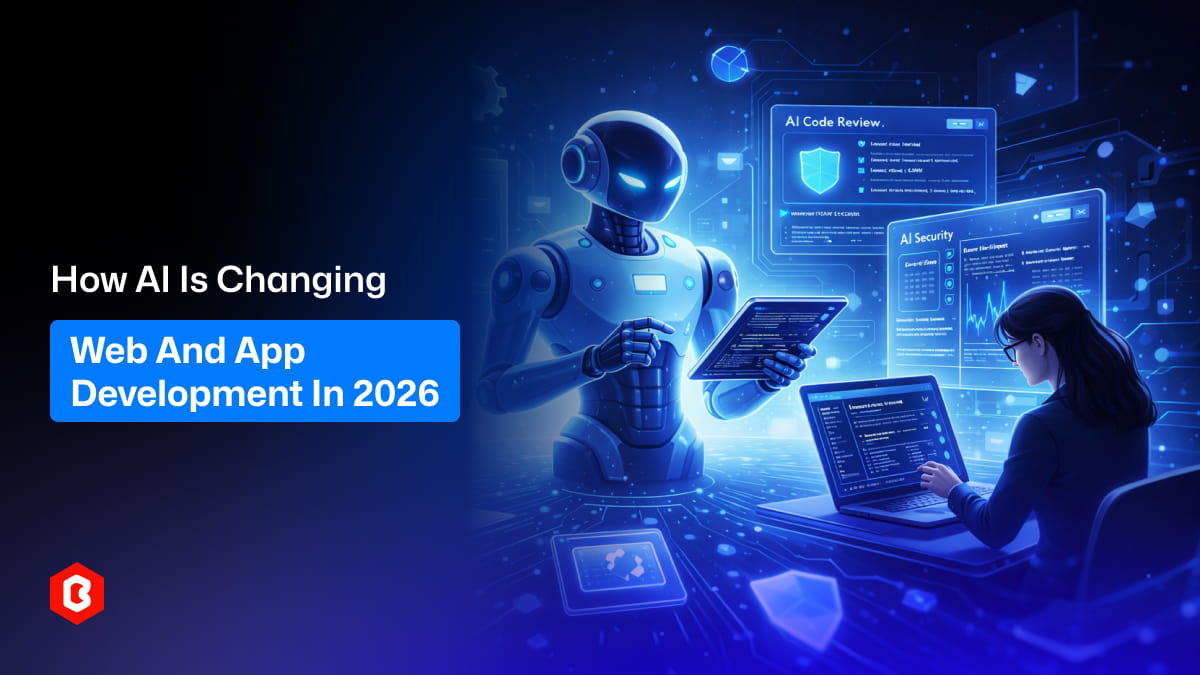
Artificial intelligence is no longer just an extra feature in software. This year, it has become part of the entire development process. From writing code to testing applications and improving user experience, AI is changing the way websites and mobile apps are created.
Developers now use AI tools to automate repetitive tasks, generate code more quickly, and study user behavior. This shift is gradually changing the role of developers and the overall process of building digital products.
Let’s take a closer look at the main ways AI is reshaping web development and mobile app development in 2026.
One of the biggest changes can be seen in the way developers write code today. AI coding assistants are now able to generate entire sections of code, suggest improvements, and even help explain errors when something goes wrong.
Instead of writing every line manually, developers can simply describe what they want in plain language. The AI then creates a working code structure that developers can review, adjust, and refine as needed.
Some key benefits developers are seeing include:
Faster development cycles
Fewer syntax errors
Better productivity during complex projects
Studies show that developers who use AI coding assistants often complete their tasks much faster and can handle more projects each week compared to traditional coding methods.
AI tools are also able to review entire codebases and suggest improvements almost instantly, something that previously required many hours of careful manual work.
AI is also changing the way development workflows operate. Many routine tasks that once required manual effort can now be handled automatically.
For example, AI tools can now:
Detect bugs automatically
Suggest fixes for broken code
Run automated testing
Monitor performance issues
This kind of automation allows developers to spend more time solving meaningful problems instead of repeating the same technical tasks again and again.
In modern web development, AI-powered systems can even identify possible errors before they appear and suggest fixes while the development process is still ongoing.
Because of this, development becomes faster, more efficient, and often less stressful for teams working on complex projects.
Another major shift in 2026 is the rise of AI agents. These systems do more than simply suggest code.
They can plan development tasks, write code across multiple files, run tests, and even help deploy applications.
In many development environments, AI agents can:
read entire repositories
analyze project structure
create new features automatically
generate pull requests for review
Because of these capabilities, developers are slowly shifting from writing every single line of code to guiding AI systems and reviewing what those systems produce.
This shift is gradually redefining developer roles. Instead of working only as programmers, many developers now take on the role of system architects and reviewers.
AI is also making development more accessible for people who do not have strong programming skills.
Modern no-code and low-code platforms now use AI to help users build websites and apps through simple visual tools. Users can describe what they want, and the platform automatically generates layouts, components, and basic functionality.
For example, a startup founder can now create a simple app prototype without needing to hire a full development team at the beginning.
This trend is increasing the number of people who can participate in app development and web development.
AI-powered builders make it possible to create prototypes faster and launch products more quickly.
As these tools continue improving, they may significantly change how early-stage startups build and test their products.
Artificial intelligence is not only helping developers write code. It is also improving the way applications interact with users.
AI can analyze large amounts of user behavior data to better understand how people move through websites and mobile apps.
Using this information, AI systems can suggest design improvements such as:
better navigation layouts
personalized content suggestions
improved page structures
smarter search features
This approach helps businesses create digital experiences that feel more engaging and relevant for users.
In modern web development, AI-driven personalization allows websites to adjust content based on user behavior, making the experience more useful and personalized for each visitor.
Testing used to be one of the most time-consuming parts of development. Developers often had to manually check many different scenarios to make sure everything worked properly.
AI is now changing this process.
Modern AI testing tools can automatically create test cases, detect bugs, and simulate real user behavior. Some tools can even recommend possible solutions for the issues they discover.
AI debugging systems are also able to analyze errors and explain the root cause within seconds.
Because of this, development teams can identify and fix problems much earlier in the development cycle.
This leads to better software quality and reduces the chances of major bugs appearing after a product is launched.
Security threats are becoming more advanced, and AI is helping developers protect their applications more effectively.
AI-powered security systems can monitor applications in real time and detect unusual activity. If suspicious behavior appears, the system can notify developers immediately.
These tools can also:
Identify vulnerabilities in code
Scan for security risks
Monitor traffic patterns
Prevent automated attacks
With AI supporting security processes, businesses can protect user data and maintain user trust more effectively.
As digital platforms continue to handle more sensitive information, AI-based security systems are becoming an important part of both web development and mobile app development.
Perhaps the most important change in 2026 is the evolving role of developers.
Developers are no longer responsible only for writing code. Instead, they are increasingly managing AI systems that assist with different parts of the development process.
Their responsibilities now include:
guiding AI tools with clear instructions
reviewing AI-generated code
ensuring quality and security
designing the overall system architecture
AI handles much of the repetitive work, while developers focus on creativity, strategy, and complex problem-solving.
This collaboration between humans and AI is shaping the future of software development.
Artificial intelligence is fundamentally changing how websites and applications are built in 2026. From automated coding and AI agents to smarter testing and more personalized user experiences, AI is now influencing almost every stage of web development and mobile app development.
Developers who learn how to work effectively with AI tools can build products faster and with greater efficiency than before. At the same time, businesses benefit from higher productivity, quicker product launches, and improved user experiences. AI will not replace developers, but it will continue to reshape the way development takes place.
The developers who adapt to this new AI-assisted workflow will likely play an important role in shaping the next generation of digital products.
 Similar Blogs
Customers on eCommerce platforms often get frustrated because they can't find quick answers to their...

Having an interactive and functional website is a core aspect of making a successful online business...

In today's digital age, having a strong online presence is no longer a luxury for local businesses -...
AI (Artificial Intelligence) is shaking things up in the education industry as well! According to a...
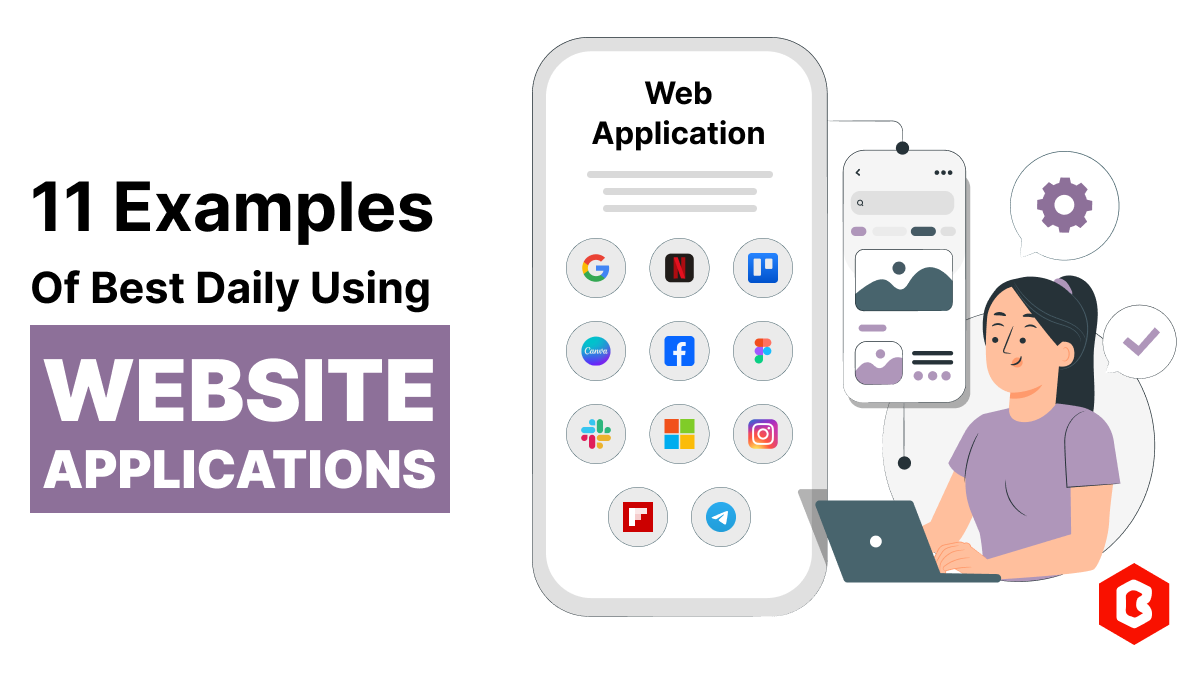
In today's world, web applications are controlling the business arena. Whether it's an eCommerce web...
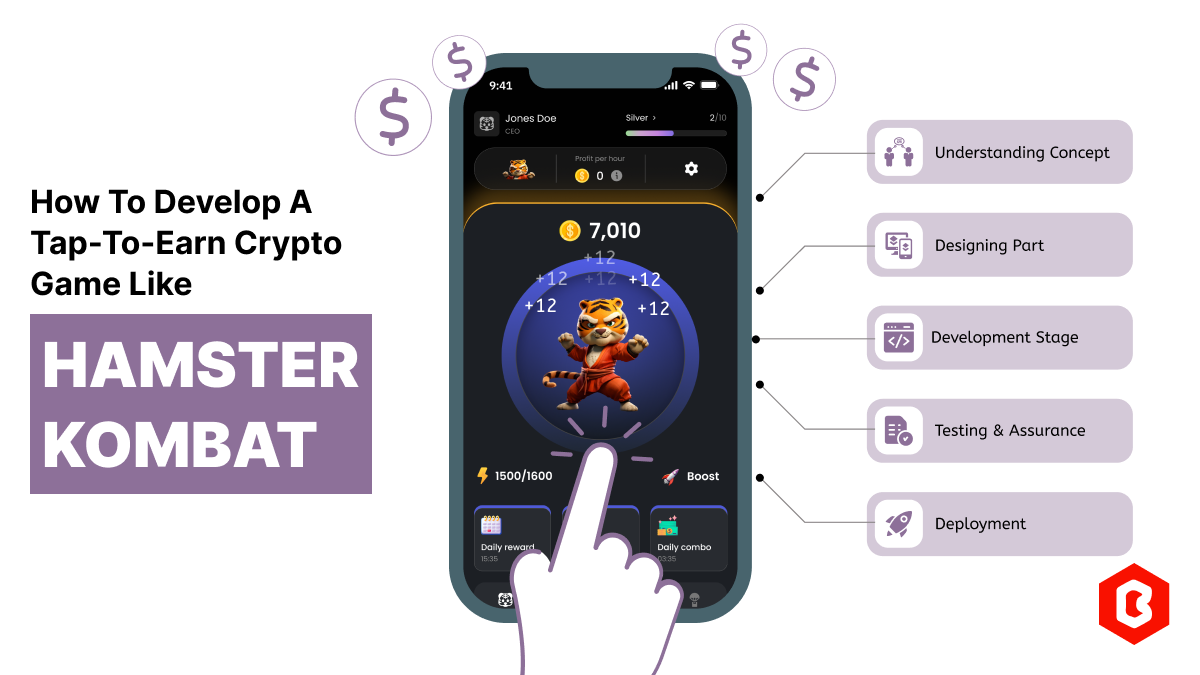
Hamster Kombat is a tap-to-earn crypto game where players are designated as virtual CEO. In developi...

Not sure which template or UI kit fits your project? Reach out for expert advice.
 100% Satisfaction Guaranteed
  Shop with Confidence!
 Tags
Tags