Buy any 1 product and get 1 absolutely free — this offer applies to all Website Templates, UI Kits, and Complete Scripts.
Buy Now! Article Information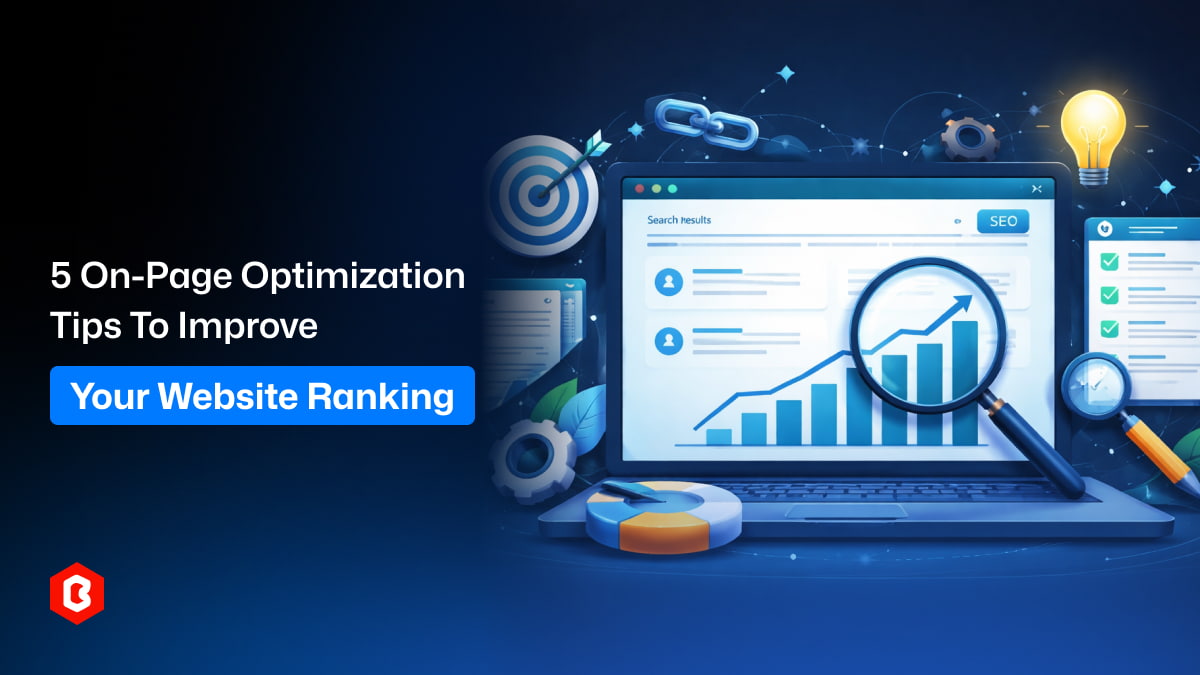
People use search engines to find information on the internet. Users enter queries, and search engines show matching results. Websites that show higher in search results can attract more visits. Therefore, search engine optimization is important for website owners. On-page optimization is an important part of SEO, as it can improve the elements that exist on your website’s pages. When your website’s on-page optimization is correct, it becomes easy for search engines to understand and rank higher in results.
The title tag is quite important for search engine rankings, as it tells users and search engines what the page is about. If your web page’s title tag is well-written, search engines can easily understand your platform’s topic. It also helps you attract users to click on your website from search results.
Below are some important tips for writing title tags:
Keep the title clear and descriptive
Insert the main keyword naturally in the title
Avoid an unnecessarily lengthy title
Make sure every page has a unique title
A good title tag can help you increase both visibility and click-through rates.
A website’s content is important because search engines prefer websites that provide useful and informative content for users. You can attempt to solve a problem or answer a question through your website’s content. When your website’s content feels valuable to users, they are likely to spend more time on your website.
Below are some tips to create effective content:
Write in clear and simple language
Focus on helpful information
Avoid copying content from other websites
Update your content regularly
High-quality content helps users trust your website, which results in improved search engine rankings.
With the help of headings (H1, H2, …), you can better organize your website’s content and make it more readable. This way, search engines can also easily understand the structure of your page. A proper heading structure usually includes headings such as H1, H2, and H3. Each heading should contain a summary of the section below it.
Below are some common yet useful heading practices:
Use only one H1 heading per page
Use H2 and H3 headings to divide sections
Include keywords naturally in headings
Keep headings clear and meaningful
Well-structured headings improve your web page’s readability and SEO performance.
Meta descriptions are short summaries that are visible under your page title in search results. They directly do not affect search engine rankings, but they can influence users to click and visit your website. You should write a short meta description that can explain what users are going to find after visiting your web page.
A few things to remember for meta descriptions:
Keep the description around 150-160 characters
Write a clear and engaging summary
Include the main keyword naturally
Encourage users to click
With an attractive meta description, you can increase your website’s click-through rate.
Every web page of your website should have a clean and simple URL structure. Such structures help users and search engines easily understand your web page and its content. On the other hand, long and confusing URLs can confuse search engines in understanding the topic of the web page.
Below are some tips to improve your URL structures:
Keep URLs short and simple
Include relevant keywords
Use hyphens to separate words
Avoid unnecessary numbers or symbols
With a well-structured URL, you can improve your website’s search engine optimization and make it look more professional.
Optimize Images: Upload clear, low-file-size images to maintain a high-performing website. Use descriptive image file names and alt texts for better image optimization.
Improve Page Loading Speed: Consider website speed optimization for smooth performance. Compress images and files, use a reliable hosting service, minimize unnecessary scripts, and enable browser caching for fast web page loading.
Use Internal Linking: Link to relevant web pages within your website’s content on accurate anchor texts. Avoid too many links on one page and lead users to useful and relevant pages.
Make Your Website Mobile-Friendly: Most users will browse your website from mobile devices, and Google also prioritizes mobile-friendliness for search engine rankings. So, make your website mobile-friendly.
Use Keywords Naturally: Avoid keyword stuffing, and use them naturally in sentences of your web content. Using too many keywords may also harm your ranking.
On-page optimization plays an important role in improving your website’s visibility in search results. By focusing on elements like title tags, content quality, headings, meta descriptions, and URL structure, you can help search engines and users to understand your website. When these practices are applied along with other SEO improvements, your website can achieve better rankings, attract more visitors, and provide a better user experience.
 Similar Blogs
In the ever-competitive world of online shopping, attracting customers to your eCommerce website or...
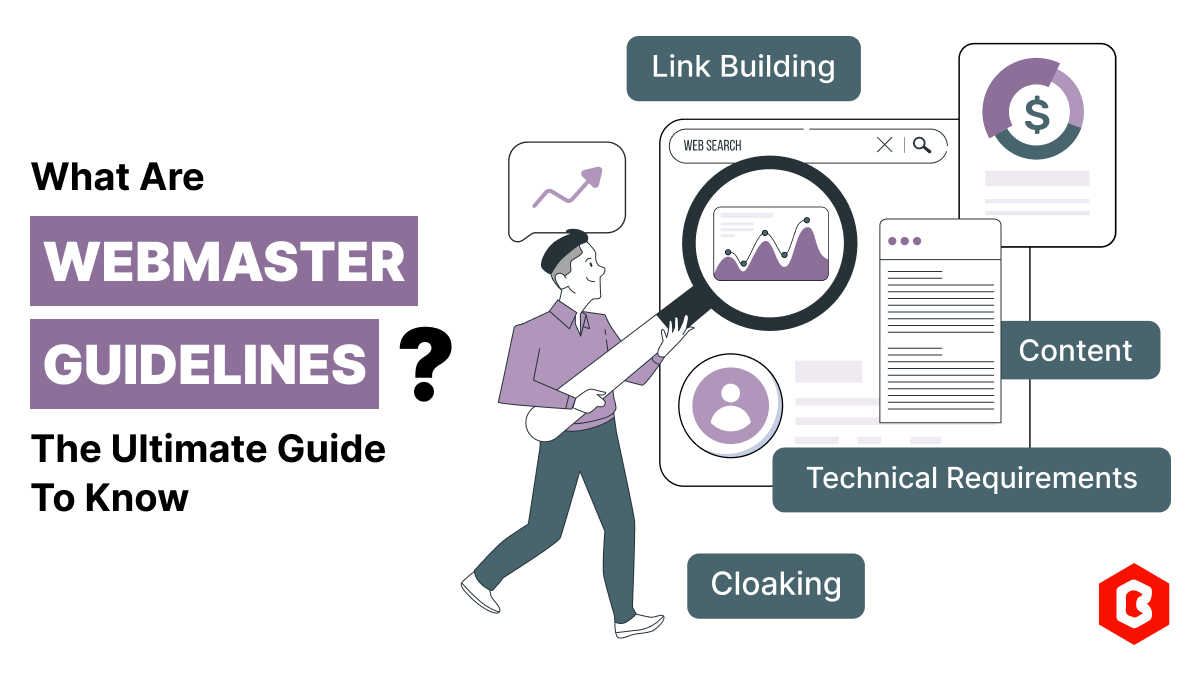
A Webmaster Guideline is a set of pre-defined practices and recommendations to maintain the website...
As you know, nowadays everything happens online whether it’s shopping from an eCommerce website or b...
Only on Google, every second approximately 99K searches are conducted. Daily this number reaches 8.5...

Digital Marketing has emerged as the core solution for small businesses in today's competitive marke...
Search Engine Optimization (SEO) is an important part of digital marketing that can help your websit...

Not sure which template or UI kit fits your project? Reach out for expert advice.
 100% Satisfaction Guaranteed
  Shop with Confidence!
 Tags
Tags