Buy any 1 product and get 1 absolutely free — this offer applies to all Website Templates, UI Kits, and Complete Scripts.
Buy Now! Article Information
Speed is crucial in the FinTech industry, where delays can cost businesses users, investors, and growth opportunities. To launch faster, many companies use ready-made HTML templates instead of building websites from scratch. These templates provide ready layouts and code, helping teams focus on features and branding while creating professional, reliable platforms that support quick market entry and smooth user experiences.
Launching a FinTech product involves more than creating a website. Businesses must build trust, explain complex services, and ensure a smooth user experience from the first interaction. Unlike entertainment or blog websites, financial platforms must appear secure and professional immediately.
FinTech startups and established companies often face several challenges during development:
Strict Market Competition: New financial tools and payment solutions appear regularly. Slow website development can result in lost opportunities.
User Trust Requirements: Financial platforms must create a strong first impression to convince users to share sensitive information.
Complex Feature Integration: Payment systems, dashboards, and user management tools require significant development effort.
Using a structured website template in HTML helps businesses overcome these challenges, as they provide a reliable starting point for development.
Building a FinTech website from scratch requires designing every page element individually. This process takes time and increases the chances of design inconsistencies. An HTML web template removes this burden by offering ready-built layouts that can be customized quickly.
These templates usually include important sections such as:
Service overview pages
User dashboards and account panels
Pricing and feature comparison layouts
Contact and support sections
Landing pages designed for product promotion
Developers can focus on connecting financial tools and backend systems while using the template for visual structure. This significantly reduces development timelines and helps businesses launch faster.
FinTech websites must look trustworthy and organized. Users are naturally cautious when interacting with financial platforms. A poorly designed interface can create doubt about service reliability.
A high-quality HTML website template helps businesses present services professionally from the beginning. These templates are built with modern design standards that include:
Clean and structured layouts
Balanced typography for easy readability
Proper spacing and visual hierarchy
Clear call-to-action placements
Instead of experimenting with design elements, businesses receive a tested structure that improves user confidence. This makes the platform appear stable and well-developed even during early launch stages.
Custom website development often requires large design and coding teams. For startups or growing FinTech companies, this investment can become expensive. Using an HTML template allows businesses to reduce development costs while maintaining professional quality.
Templates eliminate repetitive design work and allow developers to concentrate on essential platform features. This reduces overall project expenses without affecting performance or visual quality.
Key cost advantages include:
Reduced design team workload
Shorter development cycles
Lower maintenance complexity
Faster testing and deployment
For many FinTech startups, using a website template in HTML provides the balance between affordability and quality.
Although templates provide ready-made structures, they still allow strong customization. FinTech companies often require unique branding to stand out in competitive markets. Modern HTML web templates are designed with flexible customization options.
Businesses can easily modify:
Color schemes to match brand identity
Typography and icon styles
Content layout and section arrangements
Feature presentation and service descriptions
This flexibility allows FinTech platforms to maintain a unique visual identity while benefiting from pre-built structures. Instead of starting from zero, teams improve and personalize an existing foundation.
FinTech users frequently access platforms through smartphones, tablets, and desktops. A website that works well only on large screens risks losing a large portion of potential users. Modern HTML website templates are typically designed with responsive layouts that adjust automatically across devices.
Responsive templates improve user experience by:
Adapting navigation menus for mobile screens
Maintaining readability across different screen sizes
Supporting touch-friendly interaction
Providing consistent performance on multiple devices
For financial platforms, responsiveness is especially important. Users expect to check account details, transaction history, or investment updates anytime and anywhere. Using a responsive HTML template ensures accessibility without requiring additional design effort.
FinTech platforms often rely on third-party integrations such as payment gateways, analytics tools, security systems, and user dashboards. An organized HTML web template provides structured coding that simplifies integration.
Developers can easily connect templates with backend technologies like APIs, databases, and financial service modules. Since templates follow clean coding standards, integration becomes faster and more reliable.
Additionally, structured templates reduce the risk of design errors during integration. Developers can focus on functionality while maintaining visual consistency across the platform.
FinTech platforms continuously evolve as businesses introduce new features or expand services. A well-organized website template in HTML helps teams maintain and upgrade websites easily.
Templates are usually built using modular coding techniques. This allows developers to update individual sections without affecting the entire website structure. Businesses can add new services, modify dashboards, or improve user interaction without redesigning the complete platform.
Maintenance benefits include:
Faster bug fixes and updates
Easier feature expansion
Improved long-term design consistency
Reduced technical complexity
These advantages help FinTech companies scale their platforms smoothly as their user base grows.
Launching a FinTech service requires strong marketing support. Businesses need landing pages, service explanation sections, and promotional layouts ready before product release. HTML templates often include pre-designed marketing pages that help teams promote services immediately.
Templates provide structured landing pages designed to explain financial products clearly. This helps businesses communicate complex features in a simplified and user-friendly manner.
Marketing teams benefit because they can start campaigns earlier while developers continue working on backend systems. Faster marketing preparation leads to stronger product launches and improved brand visibility.
FinTech businesses work in a fast and competitive market where quick launches are important for success. Using an HTML website template helps companies build professional and responsive platforms without a long development time. These templates offer structured layouts, easy customization, and support future growth. They help businesses focus on improving services, user experience, and innovation while launching websites faster and more efficiently.
 Similar Blogs
Nowadays, every business is operating from an online website which is called a virtual shop. From eC...
When the world is going online, having a responsive website that works flawlessly across all devices...
Building a professional website for your business can be expensive and time-consuming, which can’t b...
Are you a designer or developer looking for ways to monetize your creative work? Then, many business...

If you own a real estate business that doesn’t have a strong online presence in 2025, then you’re le...
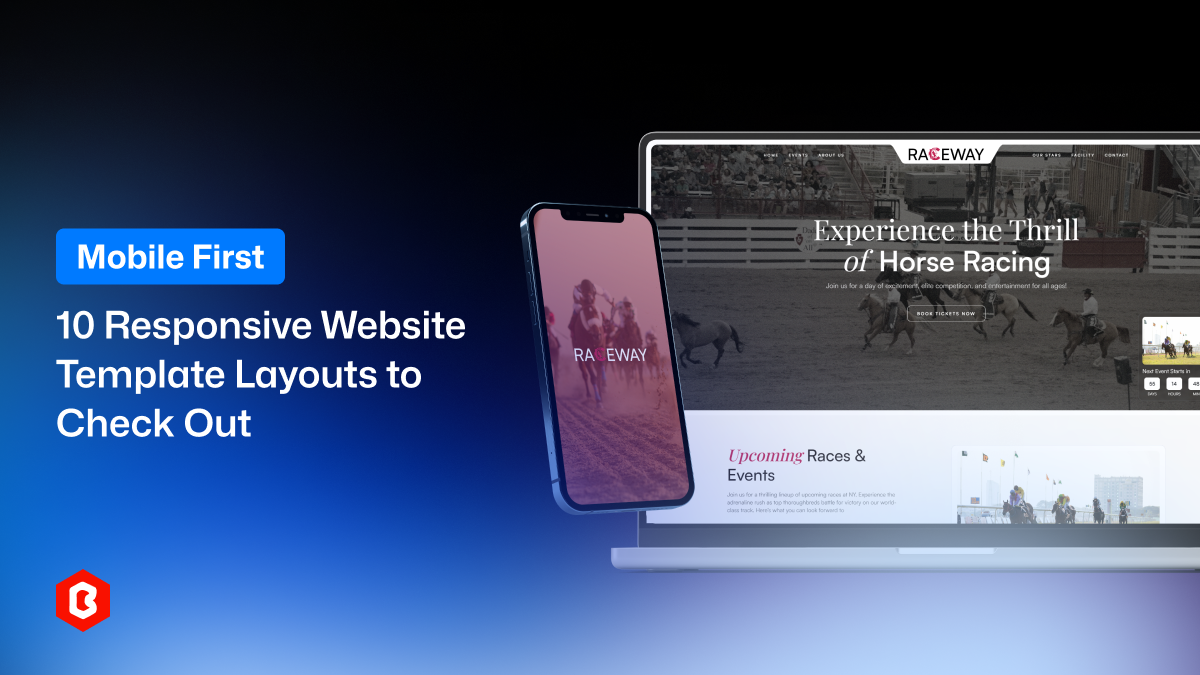
In today’s digital world, a mobile-first approach is essential. Over 60% of users now browse website...

Not sure which template or UI kit fits your project? Reach out for expert advice.
 100% Satisfaction Guaranteed
  Shop with Confidence!
 Tags
Tags