
TURBINE TECHNOLOGY // 05 MIN READ
Inside the Engineering of Modern Wind Turbines
Discover how carbon-composite blade profiles, direct-drive permanent magnets, and dynamic pitch algorithms maximize electrical energy yield.
We develop intelligent wind energy solutions that turn natural wind resources into dependable, low-carbon electricity.

GreenAxis combines meteorological micro-siting, aerodynamic rotor analysis, and institutional-grade project finance to unlock dependable wind resources. Our engineering methodology safeguards environmental equilibrium while delivering baseload scale clean electricity.
Illustrative turbine operational fleet availability under dynamic wind regimes
Representative homes energized per 100 MW portfolio phase (illustrative benchmark)
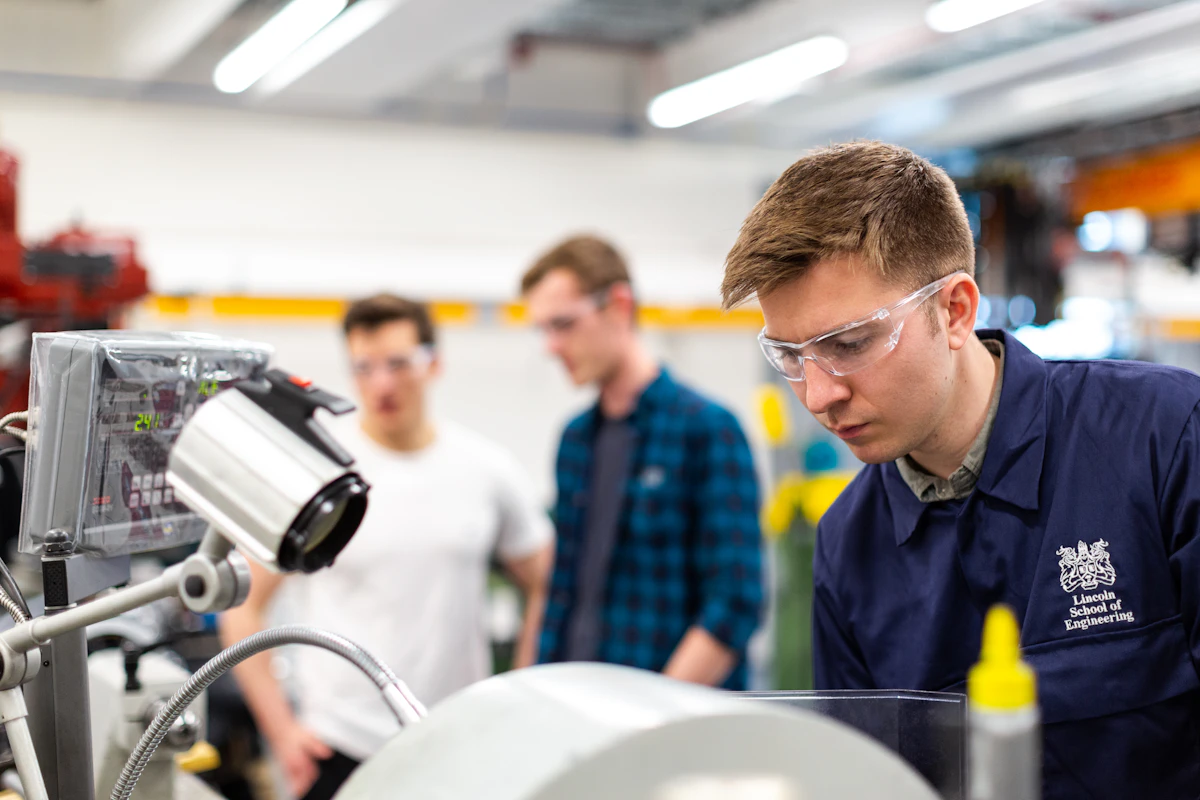
From continuous LiDAR anemometer measurements to blade-pitch telemetry, we eliminate yield uncertainty before ground is broken. Every installation balances boundary-layer fluid dynamics with local ecological conservation charters.
Discover Our ApproachCustomized infrastructure spanning land, sea, and predictive operational asset stewardship.
Developing high-performance onshore wind projects through intelligent site selection, resource assessment, and turnkey balance-of-plant engineering.

Unlocking powerful, consistent marine wind resources through fixed-monopile and floating offshore foundation engineering designed for harsh salt-spray environments.
Marine Spec Standards EN-ISO 19904Optimizing turbine configuration, drivetrain gearing, carbon-composite blade pitch control, and structural dampening for maximum output coefficient (Cp).
Aero-elastic load simulationSupporting long-term turbine performance through continuous CMS vibration monitoring, drone thermal blade scans, and predictive gearbox oil replenishment.
99.2% targeted availabilityFrom early-stage wind assessment to grid-connected infrastructure, every project is shaped by technical rigor, micro-siting topologies, and long-term asset performance.

Illustrative cumulative wind project capacity engineered & analyzed
From wind resource assessment to reliable power generation — our three-stage engineering workflow ensures technical excellence and minimal risk.

We deploy ground-based Sonic Detection and Ranging (SODAR) and meteorological masts to catalog Weibull wind velocity distributions, terrain shear, access roads, environmental constraints, and grid injection feasibility.

Deep reinforced concrete gravity base foundations, heavy-lift crane mobilization, multi-stage tubular tower erection, nacelle alignment, and blade tandem lifts conducted under strict atmospheric wind thresholds.

Cold-loop and hot-loop energization tests, grid compliance ride-through verification, power curve certification, and continuous real-time SCADA sensor monitoring support dependable long-term operation.
Successful wind projects depend on collaboration between landowners, engineers, utilities, communities, and infrastructure partners.
For institutional teams structuring wind farm development, environmental permits, and project financing delivery.
For system operators demanding stable voltage frequency, curtailment mitigation, and smooth high-voltage interconnections.
For agricultural stewards and municipal councils benefiting from dual-use land lease agreements and local economic uplift.
For geotechnical, rotor dynamic, and electrical civil teams executing precision heavy engineering and substation builds.

Explore how high-resolution terrain LiDAR, aero-optimized spacing, and 33kV collector loops transformed an exposed high-elevation plateau into a high-capacity clean generation asset.

Discover how carbon-composite blade profiles, direct-drive permanent magnets, and dynamic pitch algorithms maximize electrical energy yield.

Explore the substations, synchronous condensers, and power flow coordination necessary to route gigawatt-scale wind energy to urban distribution grids.

Learn why acoustic setback buffers, avian radar curtailment, and honest community stakeholder partnerships define enduring wind farm operations.
Review answers to critical technical, environmental, and infrastructure questions regarding utility-scale wind deployment.
Require project-specific consultation?
Our wind resource engineers provide feasibility analyses tailored to your territorial boundaries.
Contact Engineering DeskWhether you are an independent power producer, land proprietor, or municipal electrical authority — connect with our engineering team today.